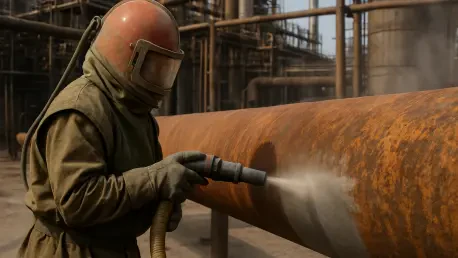

The relentless deterioration of metallic structures through oxidation remains one of the most persistent and costly obstacles facing global infrastructure and manufacturing sectors today. Imagine a high-pressure chemical pipeline buried deep beneath a metropolitan area where even a microscopic breach could trigger a catastrophic environmental and safety crisis. Recent estimates suggest that the direct cost of corrosion across industrial nations exceeds three percent of the global gross domestic product, a staggering figure that necessitates more than just superficial maintenance. Beyond the immediate financial impact, the risk to human safety and environmental stability becomes paramount when critical assets such as power grids or marine vessels fail due to structural degradation. For decades, the industry relied on scheduled inspections, but this paradigm proved insufficient as engineering complexity increased. Today, the focus shifts toward a comprehensive lifecycle management approach that integrates chemical, mechanical, and digital solutions to extend the operational lifespan of essential equipment.
Integrating Real-Time Sensor Networks for Structural Integrity
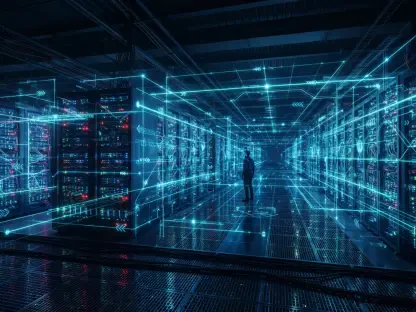
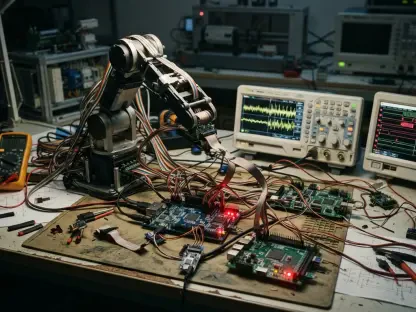
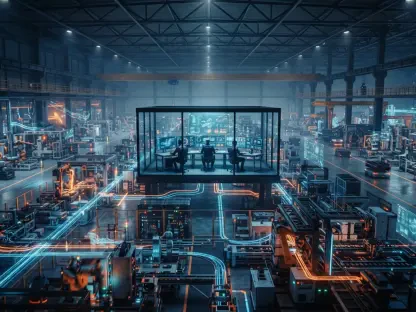
The deployment of Internet of Things (IoT) sensors transformed the way facility managers monitor the health of high-value assets in volatile environments. These devices utilize electrochemical noise measurements and ultrasonic thickness testing to provide a granular view of material thinning without requiring a full system shutdown. By embedding these sensors directly into vulnerable joints or submerged components, operators now receive a constant stream of data that highlights early-stage pitting or crevice corrosion before it becomes a catastrophic failure. This level of visibility is particularly crucial for the offshore wind energy sector, where maintenance crews face significant logistical challenges and high costs for every repair mission. Instead of relying on manual divers or robotic submersibles for periodic visual checks, autonomous monitoring systems now alert central command centers the moment a deviation from established baseline parameters occurs. This shift toward persistent surveillance ensured that minor issues remained minor, significantly reducing the downtime associated with large-scale structural overhauls.
Modern sensor technology also incorporates advanced wireless communication protocols that bypass the traditional limitations of heavy shielding in industrial environments. Using Low Power Wide Area Networks (LPWAN), these sensors transmit critical data over several kilometers while maintaining a battery life that spans several years, making them ideal for remote pipeline monitoring. The integration of acoustic emission sensors added another layer of protection, as they detect the high-frequency elastic waves generated by the sudden release of energy during crack propagation or delamination. When combined with traditional cathodic protection monitoring, these digital tools create a multi-dimensional map of an asset’s current state. This allows for a more nuanced understanding of how environmental factors, such as fluctuating salinity or temperature extremes, accelerate chemical reactions on metal surfaces. Consequently, the ability to correlate environmental stressors with actual material loss enabled a level of precision in chemical inhibitor dosing that was previously impossible.
Advancing Protective Coatings and Predictive Maintenance
Material science achieved a significant breakthrough with the commercialization of graphene-enhanced coatings, which offer a virtually impermeable barrier against moisture and corrosive ions. Unlike traditional epoxy or polyurethane layers that can develop microscopic cracks over time, these nano-engineered materials provide a tortuous path for oxygen and water molecules, effectively slowing the rate of oxidation to a crawl. Furthermore, the development of self-healing polymers introduced a revolutionary way to handle physical abrasions on treated surfaces. These coatings contain micro-capsules filled with healing agents that rupture upon impact, releasing a liquid resin that quickly solidifies to seal the breach. This autonomous repair mechanism is vital for machinery operating in abrasive conditions, such as mining equipment or heavy-duty transport vehicles, where physical damage is a daily occurrence. By reducing the frequency of recoating cycles, industrial operations significantly decreased their environmental footprint and long-term labor costs, proving that high-performance materials are a sound investment.
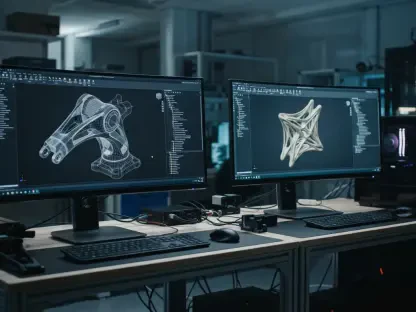
Industrial leaders successfully transitioned from traditional reactive maintenance to a data-driven strategy that prioritized long-term asset health over short-term savings. They implemented comprehensive training programs for technical staff, ensuring that the workforce could interpret sophisticated analytics and manage complex sensor networks. By standardizing the use of advanced coatings and real-time monitoring across all new construction projects, organizations established a new benchmark for industrial durability. These managers recognized that the initial capital expenditure for smart technologies and high-grade materials was dwarfed by the massive reduction in emergency repair costs and lost production time. This proactive stance fostered a culture of continuous improvement, where feedback from digital twins informed the design of next-generation infrastructure. Ultimately, the integration of material science and digital intelligence ensured that industrial systems remained resilient against the inevitable forces of nature. The shift toward this holistic management model secured the future of critical supply chains.