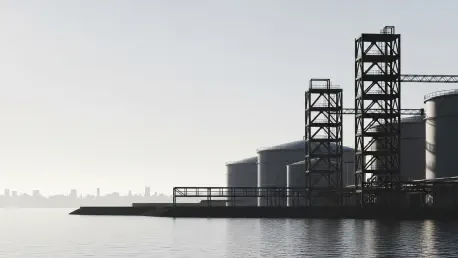

The massive silver tanks of the Chemtrade chlor-alkali plant have stood as a silent fixture on the North Vancouver waterfront for decades, but their presence is now the center of a high-stakes legislative battle that pits industrial utility against modern urban safety. Residents of the nearby communities, who once moved into the area when it was primarily an industrial buffer, now find themselves living in a densely populated corridor where the risk of a chemical leak is a constant, albeit quiet, anxiety. The District of North Vancouver council is currently navigating the complex task of deciding whether to grant a rezoning request that would allow the facility to continue its production of hazardous chlorine until nearly the middle of the century. This decision is not merely about a single property; it represents a fundamental shift in how the region balances the essential products required for modern life with the safety expectations of a growing residential population that has hemmed in the aging facility.
Legislative Maneuvers: The Evolution of Safety Mandates
To bridge the gap between community fears and industrial necessity, Chemtrade has moved beyond verbal assurances by offering a series of legally binding covenants that would be attached directly to the land title. The most significant of these measures is a formal sunset clause that mandates a complete cessation of all chlorine production by December 2046, a date that intentionally aligns with the expiration of the current lease held with the Vancouver Fraser Port Authority. By codifying this timeline, the company aims to provide the district and its residents with a definitive, non-negotiable exit strategy that removes the ambiguity of indefinite operations. This legal framework would effectively transform the site from a permanent industrial fixture into a transitional facility with a clear decommissioning horizon. Furthermore, this move is intended to soothe critics who argue that the plant’s presence is an outdated anomaly in a neighborhood that has long since transitioned toward residential and recreational use.
In addition to the fixed closure date, the proposed rezoning agreement includes stringent requirements for ongoing risk management that far exceed existing provincial regulations. Chemtrade has committed to performing regular quantitative risk assessments, which would be subject to third-party verification and shared openly with municipal planners to ensure transparency. These technical evaluations are designed to identify potential vulnerabilities in the production process and implement immediate safety upgrades as technology advances over the next two decades. By integrating these frequent audits into the zoning conditions, the district gains a level of oversight and control that it previously lacked under the plant’s original operating permits. This proactive approach aims to maintain a safety profile that adheres to the highest possible standards, even as the surrounding population density increases. This ensures that while the plant remains operational, it does so under a microscope of public and governmental scrutiny.
Navigating Public Anxiety: The Reality of Industrial Density
Despite the promise of legal safeguards, a significant portion of the local population remains deeply skeptical of the proposal, viewing any continuation of chlorine manufacturing as an unacceptable gamble. Community advocates frequently point to the inherent volatility of the chemicals produced on-site, noting that even a minor atmospheric release could necessitate massive evacuations in a region where road infrastructure is already at capacity. The primary concern is that the geographical context of the plant has changed so radically since its inception in the 1950s that the original risk profiles are no longer applicable to the current urban environment. Opponents argue that the district’s previous decisions to restrict hazardous chemical zones should be upheld without exception, fearing that granting this rezoning would set a dangerous precedent for other industrial sites. To these residents, the proposed 2046 exit date feels like an agonizingly slow response to an immediate public safety concern.
The tension is further exacerbated by the psychological weight of living in the shadow of a facility that handles materials requiring such intense regulatory oversight and emergency planning. Families in the area are often reminded of the plant’s presence through periodic sirens and the visible transport of materials, which serves as a constant prompt for discussions about emergency preparedness and shelter-in-place protocols. This environmental stress has galvanized a local movement that prioritizes the “precautionary principle,” suggesting that the mere possibility of a catastrophic event justifies the immediate relocation or closure of the facility. For these critics, the economic benefits of the plant’s output are secondary to the right to live in a neighborhood free from industrial-scale chemical risks. This divide highlights a classic urban planning conflict where the historical rights of a long-standing business clash with the evolving needs and safety expectations of the modern municipal taxpayers.
Strategic Pathways: Sustained Industrial Transition
Proponents of the rezoning, including various provincial health authorities and water management experts, frame the discussion around the plant’s indispensable role in maintaining the basic infrastructure of Western Canada. The facility is the primary source of chlorine for water disinfection across the province, currently providing nearly 70 percent of the supply required to keep municipal drinking water safe for millions of residents. A sudden disruption or closure of the plant would create an immediate and severe shortage, forcing municipalities to source these critical chemicals from distant international suppliers at significantly higher costs and with greater logistical risks. This dependency makes the North Vancouver site a linchpin of public health, as the constant and reliable production of chlorine is essential for preventing waterborne illnesses. From this perspective, the risks associated with the plant’s continued operation must be balanced against the certain public health crisis that would result from a failure in the regional water treatment supply chain.
The decision to support the rezoning also accounted for the production of caustic soda, which remained a vital component for the provincial pulp and paper sectors throughout the preceding decades. The integration of the facility into the broader economy meant that its operational status had ripple effects far beyond the borders of the District of North Vancouver. As the July 6 vote concluded, the council successfully established a precedent for managing industrial legacies within modern urban environments. Moving forward, the most effective strategy involved the diversification of water treatment supply chains to reduce reliance on single manufacturing points across Western Canada. Local communities also began exploring alternative technologies, such as ozone generation or ultraviolet sterilization, to gradually phase out the need for hazardous chemical transport through high-density zones. Investing in such infrastructure ensured a smoother transition toward the 2046 deadline, ultimately creating a safer and more resilient urban landscape for future generations.