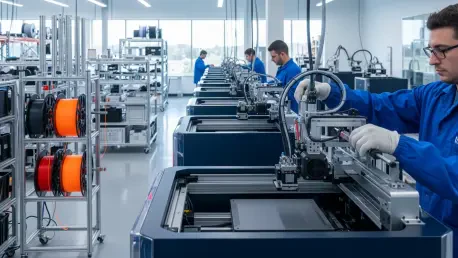

The rapid evolution of additive manufacturing has reached a critical inflection point where geographical proximity to consumers is becoming just as vital as the technical precision of the hardware itself. As the 3D printing industry matures in 2026, major players like Prusa Research are shifting away from centralized European production toward a more distributed global model to mitigate supply chain risks. This strategic pivot led to the establishment of Prusa USA, a dedicated manufacturing and service hub designed to serve the North American market with unprecedented speed and efficiency. By localizing assembly and support, the company is addressing long-standing logistical hurdles that previously complicated the procurement process for hobbyists and professionals alike. This move signals a significant commitment to the American maker community and industrial sector, ensuring that the next generation of open-source technology is not only accessible but also deeply integrated into the domestic economy through local employment and regional partnerships.
Domestic Operations: Strengthening the Supply Chain
Strategic Logistics: Streamlining Localized Assembly
The transition to domestic assembly within the United States represents a fundamental shift in how high-performance 3D printers are delivered to customers across the continent. By utilizing a central facility in Delaware, the organization has effectively bypassed many of the traditional bottlenecks associated with international ocean freight and customs clearance procedures. This operational change allows for the rapid fulfillment of orders, turning what used to be weeks of transit time into a matter of days for most domestic regions. Furthermore, the local inventory of spare parts and consumables ensures that downtime for commercial users is minimized, providing a level of reliability that was difficult to achieve when components were shipped exclusively from overseas. This logistical framework is bolstered by a distribution network that optimizes shipping routes to reduce the carbon footprint associated with long-distance transport. Such a localized approach not only lowers costs but also enhances the overall customer experience by providing more predictable delivery timelines.
Quality Control: Maintaining Global Manufacturing Standards
One of the primary concerns during any international expansion is the potential for variation in product quality, but the Delaware facility was built to replicate the exact standards found in the Prague headquarters. Every unit assembled on American soil undergoes the same comprehensive testing protocols and quality assurance checks that have defined the brand for over a decade. To achieve this consistency, specialized training programs were implemented to ensure that the American workforce possesses the same deep technical knowledge as their European counterparts. This investment in human capital is complemented by the use of identical manufacturing hardware and software, creating a seamless bridge between the two production hubs. The integration of local quality control teams allows for real-time adjustments and faster feedback loops, which are essential for maintaining the high reliability expected of professional-grade desktop printers. By upholding these strict criteria, the expansion maintains the integrity of the hardware while leveraging the advantages of a local workforce.
Institutional Growth: Navigating Regulatory Requirements
Federal Compliance: Meeting Domestic Procurement Standards
The establishment of a manufacturing presence in the United States opened doors to sectors that were previously difficult to penetrate due to strict regulatory and procurement requirements. Many government agencies, military branches, and public educational institutions are bound by the Trade Agreements Act, which mandates that products must be substantially transformed or manufactured in specific countries. By producing the MK4S and other flagship models within the Delaware facility, the company achieved the necessary certifications to participate in federal contracts and large-scale public tenders. This compliance is a critical factor for schools and universities that rely on government funding and must adhere to “Buy American” initiatives when upgrading their technical laboratories. Beyond simple legality, this domestic status builds a higher level of trust with institutional buyers who prioritize long-term domestic support. As a result, the presence of localized manufacturing acts as a catalyst for the adoption of open-source technology.
Forward Outlook: Integrating Future Support Ecosystems
The successful integration of localized manufacturing into the broader corporate strategy proved that decentralization could enhance rather than dilute brand value in the additive manufacturing space. Stakeholders observed that the shift toward a more robust American presence provided a definitive edge in customer retention and institutional partnership growth. Moving forward, organizations looking to replicate this success should focus on building strong ties with local technical colleges to create a pipeline for specialized labor. It became clear that the most effective path for future expansion involved not just physical assembly plants, but the development of comprehensive local support ecosystems that could operate independently of the main headquarters. This strategic evolution suggested that the future of 3D printing would be defined by a hybrid model where global design is paired with regional production hubs. For users, the immediate next step involved leveraging these local resources to scale their own operations with the confidence that the supporting infrastructure was closer.