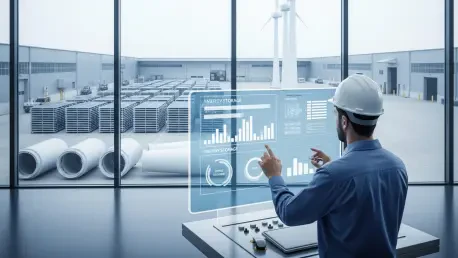

The Spanish government has officially greenlit a substantial financial package totaling 162 million euros to bolster the nation’s domestic production of essential clean energy technologies. This strategic investment, structured under the Strategic Project for the Recovery and Transformation of the Economy (PERTE) for Renewable Energy, Renewable Hydrogen and Storage (ERHA), targets 15 distinct industrial projects designed to reduce reliance on external suppliers. By providing these subsidies, the Ministry of Industry and Tourism aims to catalyze the development of a robust industrial ecosystem capable of producing solar panels, wind turbines, and high-efficiency heat pumps within Spanish borders. This move is a fundamental shift in industrial policy intended to secure technological sovereignty while accelerating the broader transition toward a carbon-neutral economy. As global competition for green tech intensifies, these funds provide the capital for domestic firms to scale operations and optimize efficiency.
Renewable Equipment Production
Modernizing Solar and Wind Systems
A significant portion of the newly allocated funding is directed toward the fabrication of advanced equipment for wind and solar power generation, which remain the cornerstones of the Spanish energy mix. Industrial facilities selected for this program are expected to modernize their assembly lines to produce next-generation photovoltaic modules and larger, more aerodynamic turbine components. This modernization is critical as the demand for renewable capacity increases, requiring components that can withstand diverse environmental conditions while delivering higher energy yields. Furthermore, the investment supports the creation of specialized manufacturing centers that focus on the circular economy by integrating recycled materials into the production of wind blades. This approach ensures that the expansion of renewable infrastructure does not come at the cost of excessive resource depletion. Localizing these manufacturing stages helps Spain mitigate risks associated with logistics while fostering a skilled workforce in engineering.
Advancing Storage and Heat Pumps
Beyond the primary generation technologies, the investment framework places a heavy emphasis on the production of high-performance heat pumps and essential components for energy storage systems. These technologies are vital for the electrification of heating in residential and industrial sectors, which has historically been a difficult area to decarbonize. The subsidies facilitate the establishment of giga-factories and specialized units that can produce heat pumps with higher coefficients of performance, even in colder climates. Additionally, the funding supports the manufacturing of stationary battery storage systems that are necessary to balance the intermittent nature of solar and wind energy on the national grid. By developing these storage solutions locally, the industry can better manage surplus energy produced during peak hours, ensuring a more stable power supply. This integration of storage and heating technologies addresses the complex requirements of a flexible energy infrastructure while reducing fossil fuel use.
Hydrogen and Future Growth
Scaling Electrolyzer Manufacturing
The development of a domestic electrolyzer manufacturing base stands out as a primary objective within the latest round of financial disbursements, highlighting the pivotal role of green hydrogen. Electrolyzers are the fundamental tools required to split water into hydrogen and oxygen using renewable electricity, and domestic production of these units is essential for meeting large-scale industrial hydrogen needs. The selected projects focus on scaling up the assembly of proton exchange membrane and alkaline electrolyzers, aiming to achieve the cost reductions necessary for hydrogen to become a competitive alternative to fossil fuels in heavy industry. Furthermore, the initiative encompasses the production of specialized storage tanks and distribution hardware required to handle hydrogen safely at high pressures. This focus on the hydrogen value chain ensures that Spain does not simply become a technology consumer but a leading exporter. Strengthening this sector supports the decarbonization of heavy transport across the entire continent.
Strategic Steps for Energy Autonomy
The successful implementation of this 162-million-euro investment established a clear trajectory for the future of Spanish industrial competitiveness in the global clean technology market. Authorities ensured that the selection process prioritized projects with the highest potential for technological spillover and regional job creation, maximizing the socio-economic impact of every euro spent. This strategic move confirmed that domestic manufacturing could effectively compete with international imports when provided with adequate initial support and a stable regulatory framework. Looking ahead, the focus shifted toward maintaining this momentum through continuous research and development and the integration of digital twin technologies in plants. It became evident that long-term success depended on the ability of these new facilities to remain agile and adapt to evolving energy standards. By solidifying the manufacturing base for electrolyzers and storage systems, the nation created a resilient foundation for energy independence and long-term sustainability.