
The global automotive landscape is currently undergoing a seismic transformation where traditional competitive boundaries are dissolving in favor of complex, multi-layered strategic partnerships designed to survive the electrification wave. The transition is no longer a solo sprint; it has evolved into a high-stakes team sport where collaboration is the primary driver of success. As the industry moves away from internal combustion engines, the massive capital requirements and technical complexities of electric vehicle powertrains are forcing traditional rivals and regional leaders into strategic unions.
This collaborative trend is reshaping the global supply chain, using landmark partnerships to bridge the gap between legacy manufacturing and next-generation electronic systems. By pooling resources, companies can navigate the prohibitive costs of research while simultaneously expanding their market reach. These alliances signify a shift toward an integrated ecosystem where shared expertise becomes the most valuable currency in the pursuit of sustainable mobility.
The Accelerating Shift Toward Collaborative Electrification
Global Adoption Trends and Market Dynamics
The transition toward electric and hybrid platforms is accelerating across all vehicle segments, from micro-mobility to heavy-duty freight. Market data shows a massive surge in demand for localized components to support domestic manufacturing initiatives and reduce reliance on imported technology. Statistics indicate that this pressure is most visible in emerging markets where the infrastructure is rapidly catching up to the technology.
This shift reflects a fundamental change in the Tier-1 supplier model. Companies are increasingly moving away from independent research and development toward shared intellectual property models to mitigate high development costs and speed up time-to-market. The traditional approach of developing proprietary systems in isolation has become too slow and expensive for the current pace of innovation.
Localizing Innovation: The Sona Comstar and DENSO Case Study
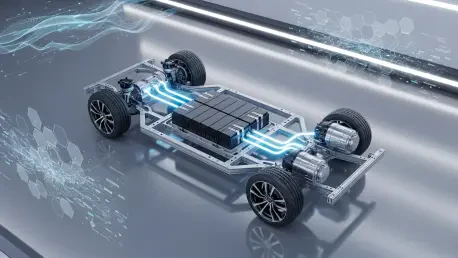
The strategic partnership between India’s Sona Comstar and Japan’s DENSO Corporation serves as a blueprint for modern powertrain alliances through the creation of two distinct joint ventures. The high-voltage venture focuses on sophisticated liquid-cooled traction inverters and motors for passenger and commercial vehicles, leveraging technological leadership from the Japanese side. In this arrangement, the majority control rests with the partner possessing the deep electronics expertise required for heavy-duty applications.
In contrast, the light mobility venture targets the high-growth two-wheeler and three-wheeler segments, utilizing an established local manufacturing footprint. This part of the deal involved a transfer of existing assets valued at approximately $210 million into a structure where the local partner maintains management control. This dual-structure approach allows both entities to capitalize on their specific strengths, combining precision engineering with deep local supply chain integration.
Industry Expert Perspectives on Powertrain Synergy
Leadership from the involved firms characterizes these alliances as historic milestones that transform component manufacturers into comprehensive mobility technology providers. Industry specialists note that the intellectual property licensing model—where both parents provide technical know-how in exchange for royalties—ensures that the ventures remain technologically relevant without draining the parent companies’ resources. This approach provides a sustainable way to iterate on complex designs while maintaining a lean operational profile.
Experts also emphasize that the coexistence of diverse mobility formats in regions like India provides a unique test bed for scalable electrification solutions. These technologies are not just for local consumption but are increasingly being prepared for global export. The ability to refine high-performance systems in a cost-sensitive market has become a competitive advantage, allowing these partnerships to create products that are both advanced and economically viable on a worldwide scale.
The Future Landscape of EV Powertrain Partnerships
Future developments will likely see a move toward the industrialization of advanced technologies, where the focus shifts from prototype development to mass-scale, cost-efficient manufacturing of integrated e-Axles. The broader implications for the industry include a more unified, technologically advanced ecosystem where global technology paired with local production becomes the standard for surviving the transition. This trend suggests that the era of the isolated manufacturer is nearing its end.
While challenges remain—such as navigating complex regulatory approvals and managing joint management control—the potential benefits of shared risk and accelerated innovation far outweigh the drawbacks. These alliances are expected to evolve into permanent fixtures of the automotive landscape, potentially leading to further consolidation among suppliers. The goal is to create a seamless integration of software and hardware that can adapt to the rapid pace of digital vehicle development.
Summary and Final Industry Outlook
The Sona Comstar and DENSO alliance highlighted a critical trend: the consolidation of industrial talent to meet the rigorous demands of 21st-century mobility. By splitting focus between high-voltage systems and light mobility, these partnerships ensured a comprehensive coverage of the powertrain value chain. This strategy positioned the participants as leaders in the global export market, proving that regional expertise was vital to global success.
As the industry moved forward, the success of these alliances reaffirmed that the future of transport was defined by the strength and synergy of the partnerships that built it. The collaborative model effectively mitigated the financial risks associated with the rapid obsolescence of early electric vehicle technology. Ultimately, the industry learned that the most resilient companies were those that traded isolation for strategic integration, paving the way for a more efficient and electrified global transport network.