
The fundamental architecture supporting modern artificial intelligence is undergoing a massive transformation as demand pivots from modest megawatt facilities toward sprawling gigawatt-scale industrial complexes. This shift signals the maturation of the digital economy, where intelligence is no longer just a software feature but a physical commodity produced at an industrial scale. These emerging AI factories represent a paradigm shift in how societies prioritize energy distribution and regional development.
The Shift Toward Industrial-Scale Compute
Data Trends and the Rise of the AI Factory
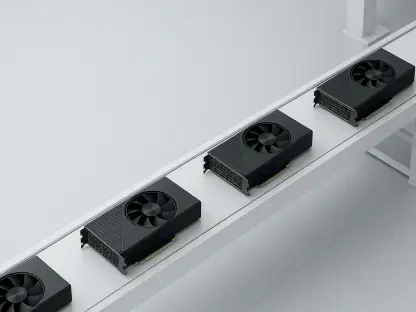
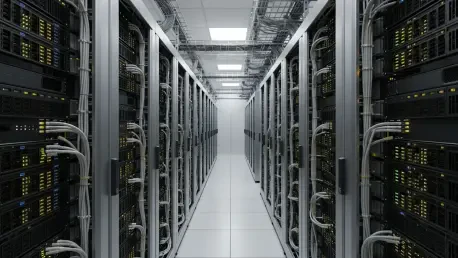
Modern data centers are evolving into specialized environments optimized for high-density GPU clusters rather than general-purpose cloud storage. As global power requirements for computation are projected to increase significantly through 2030, the industry is witnessing a move toward massive, consolidated sites that can handle the thermal and electrical loads of model training.
This transition has spurred a geographic diversification of technology assets. Developers now look toward the American Midwest, where the availability of land and existing power infrastructure offers a viable alternative to the saturated markets of Silicon Valley. This migration suggests that the physical footprint of the digital world is becoming as critical as the code it runs.
Real-World Implementation: The Nebius Missouri Project
The Nebius project in Independence, Missouri, serves as a primary example of this trend, featuring a 400-acre campus designed for full-stack model development. By establishing a presence in this region, the project created 1,200 construction jobs and 130 permanent technical roles, demonstrating how high-tech infrastructure can revitalize local labor markets.
Economic projections indicate that the facility will contribute approximately $650 million in tax revenue over the next two decades. These funds are slated to support local school districts and municipal services, illustrating the substantial fiscal impact of large-scale infrastructure. This model positions data processing as a significant driver of regional wealth and stability.
Expert Insights and Stakeholder Perspectives
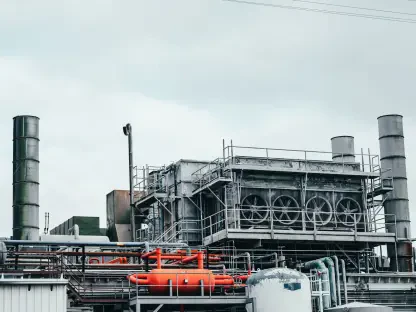
Engineering professionals highlight the immense difficulty of managing cooling and power delivery in environments where consumption is measured in gigawatts. To address these hurdles, teams are increasingly turning to advanced liquid cooling and high-voltage distribution systems that ensure operational efficiency. Such innovations are necessary to maintain the low latency required for real-time AI applications.
Community leaders and environmental specialists emphasize the importance of balancing industrial growth with local preservation. Strategies now prioritize noise reduction and light pollution containment to ensure these massive campuses do not disrupt the quality of life for residents. This collaborative approach suggests that the long-term success of AI infrastructure depends on its ability to integrate harmoniously with its surroundings.
Future Outlook: Challenges and Broader Implications
As AI infrastructure matures, it began to function as a sixth utility, becoming as essential to urban planning as electricity or water. Municipalities started incorporating these facilities into long-term growth strategies, recognizing that localized compute power attracts further investment. This trend fostered the emergence of a new tech-belt across the United States, shifting the center of innovation toward the interior.
Engineers moved toward closed-loop water systems and sophisticated grid management to protect ratepayers from price volatility. Sourcing hardware at this scale remained a logistical hurdle, yet the industry adapted by forming deeper vertical partnerships. These developments ensured that the expansion of digital capacity remained sustainable while supporting a broader transition toward automated economic systems.
Summary of the transition from boutique data centers to massive, gigawatt-scale AI campuses that define modern technological capacity. Stakeholders prioritized the dual importance of economic growth and responsible, community-focused infrastructure design. Projects like the Nebius AI factory provided the blueprint for global digital expansion and regional prosperity.