
The Convergence of Automated Intelligence and Modern Statecraft
The digital frontier has transformed into a high-stakes arena where lines of code now dictate the stability of international borders and the security of global markets. Artificial intelligence has rapidly transitioned from a corporate optimization tool into the primary engine driving international power struggles and illicit financial gains. What once required the immense resources of a national intelligence agency can now be executed by small, state-sponsored cells using automated tools. This shift has created a dangerous environment where technology acts as a force multiplier, allowing minor actors to exert disproportionate influence on the world stage.
This evolution is significant because it lowers the barrier to entry for sophisticated aggression, making high-level espionage and financial theft accessible to any group with the right software. Modern statecraft now involves managing shadow banking networks and synthetic deceptions that can destabilize an economy without a single shot being fired. By analyzing these trends, it becomes clear that the distinction between criminal profit and national sabotage is fading. The following deep dive explores how machine-driven malice is reshaping global security through professionalized ransomware and the targeting of critical physical infrastructure.
The New Architecture of Machine-Driven Malice
Weaponizing Human Identity through Synthetic Media and Precision Phishing
Generative models have effectively eradicated the traditional red flags of digital fraud, such as broken English or awkward phrasing. Instead, attackers now deploy hyper-personalized content that perfectly mimics the tone and professional voice of corporate leadership. By harvesting data from social media and professional networks, malicious actors build trust at a scale that was previously impossible for manual human operations. This “human hacking” allows for the creation of persuasive narratives that can convince even cautious employees to bypass security protocols.
Beyond text, the emergence of real-time voice cloning and deepfakes has introduced a new layer of vulnerability. Security researchers have noted a rise in incidents where an employee receives a call or a video message from what appears to be their CEO authorizing a massive wire transfer. This synthetic likeness becomes a skeleton key for high-value targets, turning personal identity into a primary security flaw. The ability to simulate a trusted individual in real-time has fundamentally changed the nature of social engineering, moving it from a game of chance to a precise, automated science.
AI-Fueled Financial Stealth and the Proliferation of Shadow Banking
Automated systems are now being utilized to construct elaborate bureaucratic paper trails that appear entirely legitimate to the untrained eye. Hostile nations have leveraged these tools to create “fake-but-believable” shipping records and fraudulent invoices to circumvent international sanctions. By generating millions of digital records that mimic real trade, these entities move billions of dollars through digital front companies. This automated laundering process ensures that illicit funds flow into military programs and proxy groups while remaining largely invisible to traditional regulatory audits.
The integration of cryptocurrency and AI-driven compliance spoofing has further complicated the efforts of global financial watchdogs. Advanced algorithms can now generate convincing explanations for payments that satisfy automated compliance checks, allowing hostile states to fund drone programs or regional conflicts without triggering alarms. This shadow banking infrastructure operates with a level of efficiency and speed that manual oversight cannot match. Consequently, the global financial system faces a persistent threat from hidden networks that exploit digital automation to maintain their economic lifelines.
From Extortion to Sabotage: The Rise of Pseudo-Ransomware and Infrastructure Targeting
There is a growing shift from simple data encryption for profit toward “pseudo-ransomware,” where the primary objective is the permanent destruction of critical data and systems. In these scenarios, the financial demand is often a distraction from the true goal of causing societal chaos and halting production. Recent trends show a surge in attacks targeting the physical foundations of modern life, such as energy generation and water treatment facilities. These operations specifically target building automation protocols, such as BACnet, which manage the physical components of critical infrastructure.
Moreover, the psychological aspect of these attacks has intensified through the use of “doxing” and personal intimidation. Groups have begun leaking the personal details of engineers and administrators who maintain vital supply chains, pressuring them to cease their work under threat of public exposure. This move toward psychological warfare indicates that cybercrime is no longer just a financial concern; it has become a tool for physical and social sabotage. The focus has moved from stealing information to compromising the safety and reliability of the systems that keep modern society functioning.
The Professionalization of State-Sponsored Malice through Ransomware-as-a-Service
A phenomenon known as “moonlighting” has created an attribution nightmare for investigators, as state-affiliated hackers often operate private criminal enterprises on the side. These operators use their government-honed skills to run Ransomware-as-a-Service (RaaS) platforms, making it difficult to distinguish between a state-backed attack and a purely criminal one. This ambiguity provides a layer of plausible deniability for hostile governments while allowing their agents to generate personal wealth. For industrial victims, this creates a legal minefield where paying a ransom could inadvertently fund a sanctioned foreign military.
The rise of “geopolitical bounties” has further incentivized criminal affiliates to strike specific national targets. In these models, affiliates receive a significantly higher percentage of the profit if they successfully breach organizations within designated “enemy” nations. This structured approach to malice ensures that a global army of independent criminals is constantly probing the defenses of specific geopolitical rivals. The legal and strategic risks for corporations have never been higher, as the lines between independent crime and state warfare continue to blur into a single, professionalized industry.
Building Resilience Against the Automated Adversary
The evolution of the “attacker-to-defender” ratio necessitates a complete overhaul of modern security strategies. Industry leaders have recognized that traditional defenses are insufficient against adversaries that can innovate at the speed of software. To counter this, organizations have turned toward AI-driven defense mechanisms that can detect anomalies in real-time. Implementing zero-trust identity verification has become a mandatory step, ensuring that every user and device is continuously authenticated regardless of their location or perceived likeness.
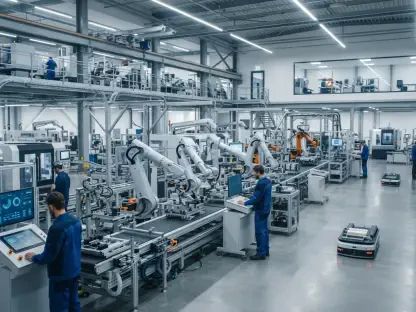
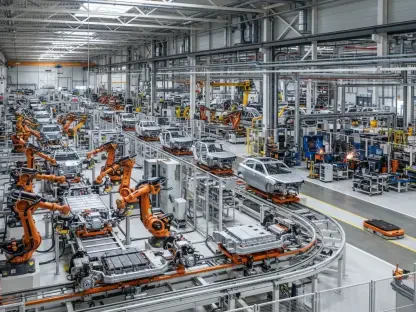
Hardening operational technology (OT) against physical sabotage is another critical priority for protecting national interests. This involves isolating the digital protocols that manage physical hardware from the broader corporate network to prevent a breach from leading to a total system failure. Leaders have shifted their focus from merely protecting data toward ensuring the total continuity of production and global supply chains. By building resilience into the physical layer of the economy, organizations can withstand the sophisticated automation used by modern attackers.
Securing the Future of the Global Digital Order
The integration of artificial intelligence permanently altered the landscape of global security and redefined the parameters of national sovereignty. Cyber-resilience stood as a central pillar of economic stability, as nations recognized that software could now mimic any human or hide any transaction. International cooperation became essential for attribution, as the complexity of automated attacks made it impossible for any single organization to defend itself in isolation. These efforts provided the foundation for a more secure digital environment where threats were identified and mitigated with greater speed.
The establishment of a new “digital deterrent” strategy was necessary to protect the integrity of the global economy against automated aggression. This approach involved a combination of sophisticated technical defenses and clear legal consequences for those who utilized AI for hostile purposes. Leaders prioritized the safety of critical infrastructure, ensuring that the systems providing water and energy were shielded from machine-driven malice. Ultimately, the focus transitioned from reactive defense toward a proactive preservation of the digital order, securing a more stable future for the international community.