
Once a quiet contributor to the industrial landscape, the Indian chemical sector is now positioning itself as the epicenter of a $1.6 trillion global manufacturing shift while the world looks for resilient supply chains. As global stakeholders seek to diversify operations and embrace advanced materials, India is rapidly transitioning from a commodity-based market into a high-tech, sustainable chemical powerhouse. This strategic evolution is not merely a byproduct of market growth but a result of deliberate policy frameworks, infrastructure modernization, and a robust commitment to research and development. The significance of this topic lies in the sector’s potential to underpin the broader national journey toward becoming a developed economy. This analysis explores the fiscal frameworks, infrastructure integration, and sustainability imperatives currently driving the roadmap to achieve a top-tier global hub status by 2040.
Economic Momentum and Strategic Infrastructure Development
Growth Metrics and Market Valuation Trends
The economic trajectory of the Indian chemical industry is marked by an ambitious leap from its current $220 billion valuation toward a $1 trillion target by 2040. Current projections suggest that if the current momentum is sustained, the sector could even reach a valuation of $1.6 trillion by 2047. Central to this growth is the “Bhavya Rasayan” scheme, which provides ₹1,000 crore in central assistance for the development of modern industrial parks. This financial catalyst is supported by a state-matching funding model, ensuring that regional governments are deeply invested in the success of these mega-projects. By requiring a minimum contribution from state authorities, the government fosters a sense of shared responsibility and local accountability in project execution.
The implementation of a challenge-based selection process for developing mega chemical parks has introduced a competitive edge to regional industrial planning. States must now demonstrate their ability to provide sites exceeding 2,000 hectares that are equipped with the necessary resources and logistical advantages. This methodology ensures that only the most viable and efficient proposals receive central backing, thereby maximizing the impact of every rupee invested. The focus on large-scale parks reflects a shift away from fragmented manufacturing toward concentrated industrial zones that can achieve economies of scale and rival the massive production hubs seen in competing global markets.
Real-World Application of Integrated Value Chains
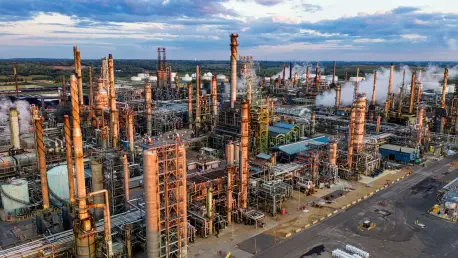
Strategic infrastructure development is currently centered on the implementation of multi-modal connectivity within Petroleum, Chemicals, and Petrochemicals Investment Regions. By integrating deep-water ports, dedicated rail corridors, and modernized air freight terminals, the industry is effectively reducing the logistical overheads that previously hindered export competitiveness. These integrated value chains allow for the seamless movement of raw materials and finished products, creating a highly responsive supply chain. The physical integration of these regions ensures that manufacturers can react swiftly to shifts in global demand, positioning India as a central node in the international chemical trade.
Furthermore, the practice of clustering related industries has led to the emergence of circular economies within these modernized hubs. In such ecosystems, the waste or byproduct of one facility frequently serves as the feedstock for a neighboring plant, which significantly lowers production costs and environmental impact. Modernized clusters are transitioning from legacy manufacturing sites into state-of-the-art facilities by adopting international best practices in facility management and resource optimization. This transition is crucial for attracting foreign direct investment, as global corporations increasingly prioritize facilities that offer both high efficiency and high environmental standards.
Industry Perspectives and Expert Insights
Leadership at the “India Chem 2026” summit recently emphasized that the current expansion hinges on the effectiveness of public-private partnerships. Industry experts noted that while the government provides the foundational policy and infrastructure, the private sector must drive operational excellence and market expansion. There is a growing consensus that for India to achieve its 2040 targets, the regulatory environment must remain transparent and supportive of long-term capital commitments. The strategic classification of chemicals and petrochemicals as “strategic items” reflects this shift in priority, acknowledging their role as the backbone of domestic manufacturing and national security.
However, a significant expert consensus suggests that a “technology gap” remains a primary hurdle in the race for global dominance. To address this, there is a clear mandate for private sector expenditure on research and development to rise to at least 66% of the national total. Currently, while private R&D spending is on an upward trend, it still trails behind the levels seen in global competitors such as China. Closing this gap is viewed as a prerequisite for moving up the value chain from basic commodity chemicals to specialized, high-margin products that define modern technological applications.
The Future Roadmap: Innovation, Trade, and Sustainability
The future of the chemical sector is increasingly tied to the success of Carbon Capture, Utilization, and Storage missions. These missions are designed to decouple industrial growth from carbon emissions, ensuring that the massive scale-up in production does not come at the cost of national climate commitments. By integrating CCUS technology directly into the planning of new chemical parks, the government is incentivizing a transition toward green chemistry. This proactive stance on decarbonization is not only an environmental necessity but also a strategic move to secure market access in regions with stringent carbon regulations.
Simultaneously, the impact of emerging Free Trade Agreements with the United Kingdom, the European Union, and the European Free Trade Association is positioning India as a premier “China Plus One” alternative. These agreements are unlocking new export markets and providing domestic manufacturers with better access to high-end technologies and raw materials. Furthermore, the broader “Viksit Bharat” initiative is driving a focus on worker safety standards and plastic recycling infrastructure. By elevating these standards, India is ensuring that its industrial growth is both inclusive and sustainable, addressing the needs of the workforce while protecting the environment from industrial waste.
Conclusion: Securing a Global Leadership Position
The strategic expansion of the Indian chemical sector established a comprehensive framework that successfully integrated fiscal incentives with long-term infrastructure goals. Policymakers prioritized the modernization of legacy clusters while simultaneously launching mega-projects that redefined the scale of domestic manufacturing. This dual-track approach ensured that the industry remained competitive during its transition from a commodity-driven market into a high-tech powerhouse. The commitment to raising research and development expenditure and adopting green technologies provided the necessary foundations for India to assume a leadership role in the global chemical landscape.
Collaborative governance became the defining feature of this period, as state and central authorities worked in tandem with private enterprises to eliminate logistical bottlenecks. The successful implementation of the “Bhavya Rasayan” scheme and the expansion of the Carbon Capture mission demonstrated a clear path toward sustainable industrialization. By the middle of this decade, the groundwork was laid for a sector that not only contributed to economic growth but also adhered to the highest global standards of safety and environmental stewardship. This period of strategic expansion ultimately secured India’s position as a central pillar of the global manufacturing economy, fulfilling the aspirations of the national development agenda.