
Modern medical facilities rely heavily on a complex web of interconnected diagnostic and life-support devices that require constant maintenance and precision calibration to ensure safety. While physicians and nurses dominate the public perception of healthcare, a critical shortage of specialized technical talent has emerged within the infrastructure that supports these clinical roles. This gap is being addressed by the rise of two-year Biomedical Engineering Technology (BET) degrees, which provide an accelerated yet rigorous pathway into a field where technology and patient care intersect. These programs are designed to transform students into skilled technicians capable of troubleshooting everything from simple infusion pumps to sophisticated robotic surgical systems. As the demand for advanced medical technology continues to expand across the United States, these vocational degrees offer a strategic alternative to traditional four-year paths, providing immediate entry into high-impact roles.
Technological Integration: Modernizing Diagnostic Tool Maintenance
The evolution of medical hardware has transitioned from mechanical tools to highly integrated digital systems that utilize artificial intelligence and real-time data streaming. Today, a typical hospital room contains an array of monitoring devices that are often networked into a central electronic health record system, making the stability of this hardware essential for accurate diagnosis. Biomedical Equipment Technicians (BMETs) are the professionals tasked with ensuring that these systems function within strict regulatory tolerances and safety standards. Their work involves not just physical repairs, but also software updates, cybersecurity patching for medical devices, and intricate electronic testing. This shift toward high-tech integration means that healthcare providers can no longer rely on general maintenance staff; they require experts who understand the physics of imaging and the nuances of physiological monitoring. Consequently, specialized education in BET has become a cornerstone for maintaining the integrity of modern medical environments.
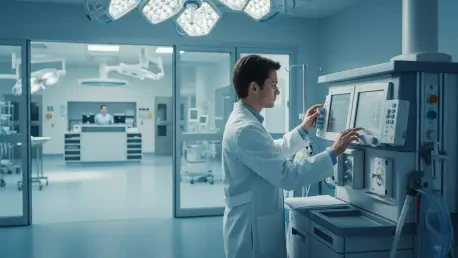
Beyond the technical repair bench, these professionals serve as vital consultants within the clinical setting, advising medical staff on the proper operation and optimization of complex machinery. During critical procedures, the failure of a ventilator or an anesthesia machine can have immediate and catastrophic consequences, placing the technician’s preventative maintenance protocols at the heart of risk management strategies. The training provided in an associate-degree program emphasizes hands-on experience with actual clinical equipment, ensuring that graduates are prepared for the high-pressure environment of an operating room or intensive care unit. This practical focus allows technicians to bridge the gap between engineering theory and clinical application, effectively speaking the languages of both the manufacturer and the medical practitioner. By maintaining the reliability of these life-saving tools, BET graduates directly influence patient outcomes, even if they are not the ones administering direct clinical care at the bedside.
Strategic Implementation: Advancing Professional Healthcare Careers
The financial return on investment for a biomedical technology education was particularly compelling given the high demand for these services in both urban and rural healthcare markets. Entry-level salaries for qualified technicians were frequently competitive with many roles requiring four-year degrees, and the potential for advancement into specialized fields such as imaging or laboratory equipment was substantial. As the population aged and the prevalence of chronic diseases necessitated more frequent use of diagnostic technology, the need for those who could maintain this equipment intensified. Furthermore, many organizations offered tuition reimbursement and specialized training certifications for their employees, allowing BET graduates to continue their education while earning a stable income. This career stability was supported by the fact that medical equipment maintenance was a regulated necessity, ensuring that these roles remained essential regardless of broader economic fluctuations. The combination of high demand and specialized skill sets created a robust job market.
The transition toward a more technologically integrated healthcare system necessitated a shift in how technical staff were trained and deployed across medical facilities. Stakeholders recognized that the most effective way to address equipment downtime was to integrate highly trained graduates into the core of hospital operations. To achieve this, aspiring professionals focused on obtaining vendor-specific certifications and mastering the nuances of networked medical systems. Healthcare organizations responded by establishing mentorship programs that paired experienced engineers with new graduates to facilitate a seamless transfer of institutional knowledge. It became clear that a combination of theoretical understanding and rigorous practical application was the most reliable way to ensure patient safety. Future success in the industry depended on a commitment to continuous learning as medical hardware became increasingly sophisticated. By adopting these strategies, professionals secured their roles within the healthcare infrastructure and provided a blueprint for technical excellence.