
Moisture and impact resistance are the primary functional benefits of applying high-quality edge banding to the foundation of modern cabinetry and office furniture. For decades, the furniture manufacturing industry relied heavily on manual labor to achieve these results, but the landscape is currently undergoing a radical shift as traditional techniques give way to high-precision automation. At the forefront of this movement is SAMACH, a prominent woodworking machinery supplier based in Qingdao, China, which recently unveiled its updated suite of edge banding solutions. These machines are designed specifically to meet the global demand for increased production speed and flawless finishing that consumers now expect in every piece of panel-based furniture. By focusing on automated technology, these systems allow manufacturers to produce high-quality items while significantly reducing the need for intensive manual intervention, effectively addressing the labor shortages that have appeared from 2026 to 2028.
Engineering Precision: The Mechanics of Modern Woodworking
Edge banding is a vital process in modern cabinetry, where raw, exposed edges of engineered materials like MDF, plywood, and particle board are covered with protective strips for durability. SAMACH’s latest equipment automates the application of various materials, including PVC, ABS, acrylic, and natural wood veneers, ensuring a perfect fit every time. This process does more than just enhance the visual appeal of the furniture; it creates a structural barrier that protects the internal core from moisture and wear. By ensuring a tight, seamless bond, the technology extends the lifespan of the finished product, making it suitable for both residential and commercial use. The all-in-one design of these machines integrates several complex mechanical stages into a single, continuous workflow. The process begins with pre-milling, which cleans and straightens the panel edges to ensure a zero-joint appearance that was previously difficult to achieve without manual oversight.
Building on the foundation of precise edge preparation, the machinery incorporates a sophisticated glue application system that can utilize high-performance PUR adhesives. These adhesives are specifically chosen for their superior heat and moisture resistance, which is critical for furniture intended for kitchens or bathrooms. Because the glue application and banding stages are perfectly synchronized, the machines maintain a high level of throughput without sacrificing the quality of the bond or the alignment of the banding material. This level of synchronization ensures that the adhesive is applied at the exact temperature and volume required for the specific material being processed. Furthermore, the automation helps eliminate common issues like glue spots or uneven application, which often occur during manual processes. This transition to a more controlled environment allows manufacturers to maintain consistent quality across thousands of units, providing a level of reliability that is essential for competing in a modern, fast-paced global marketplace.
Comprehensive Finishing: Operational Flexibility and Quality
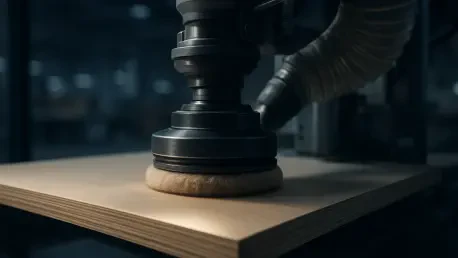
Once the banding is securely applied, the machinery executes multi-stage trimming and finishing operations to achieve a professional look that meets high industrial standards. Automated end-trimming and fine-trimming tools shave off excess material until the banding is perfectly flush with the panel surfaces, creating a smooth transition. The final stage involves scraping and polishing, which removes residual adhesive and buffs the edges to a smooth, factory-quality finish. This comprehensive automation ensures that every piece of furniture leaving the production line meets a consistent standard of excellence, which is nearly impossible to replicate through manual craftsmanship at scale. The precision of the trimming tools is calibrated to work with various thicknesses, ensuring that even the most delicate veneers are handled without damage. This focus on the final aesthetic ensures that the product is ready for assembly immediately after leaving the machine, which significantly shortens the total production cycle for the manufacturer.
To accommodate a diverse range of business needs, SAMACH has developed various machine categories tailored to different market segments and production environments. Their high-volume Automatic series is built for large-scale industrial plants that require twenty-four-hour operation, while the Compact models are designed for small-to-medium enterprises with limited floor space. This versatility allows custom workshops and boutique furniture makers to access the same precision technology used by global manufacturers without requiring massive capital investment. By offering scalable solutions, the company ensures that high-quality edge banding is accessible to any woodworker, regardless of their production volume or the complexity of their designs. This approach naturally leads to a more competitive landscape where smaller players can offer products that rival those of much larger corporations in terms of finish and durability. The flexibility of these machines also supports the use of different edge materials on the same line, allowing for rapid customization.
Smart Manufacturing: Global Trends and Economic Impact
The move toward automated edge banding is part of a larger global shift toward Smart Manufacturing and the implementation of Industry 4.0 principles. In regions like North America and Europe, furniture companies are increasingly investing in technology to meet consumer demand for modular, flat-pack furniture that maintains a high-end aesthetic. These machines are no longer standalone tools but are becoming data-driven components of a larger factory ecosystem that communicates in real time. This digital integration allows for rapid transitions between different board thicknesses and materials, minimizing downtime and maximizing profit margins for the manufacturer. Beyond productivity, the adoption of this technology offers significant economic and environmental benefits by reducing material waste through precise cutting and optimized glue dispensing. This helps companies lower their operational costs while aligning with sustainable manufacturing practices by minimizing chemical waste and scrap material, which is becoming a priority for the industry.
As global regulations regarding industrial waste became stricter, these eco-friendly advancements helped manufacturers stay compliant while improving their resource efficiency. SAMACH positioned itself as a strategic partner by providing professional engineering support and customized machine configurations from the Excellence Century Center in Qingdao. This personalized approach ensured that manufacturers found the right balance between production speed and the specific aesthetic requirements of their target market, whether they were producing kitchen cabinets or office desks. The integration of multi-functional automation and high-performance adhesives remained a primary driver of growth as the woodworking industry evolved. By replacing labor-intensive methods with high-precision machinery, manufacturers achieved better durability and higher market value for their products. Companies that adopted these automated solutions early secured their place in the global market, while those who focused on innovation provided a roadmap for an increasingly automated world.