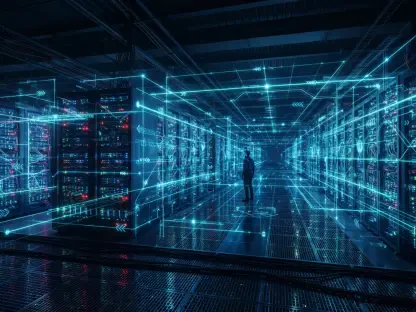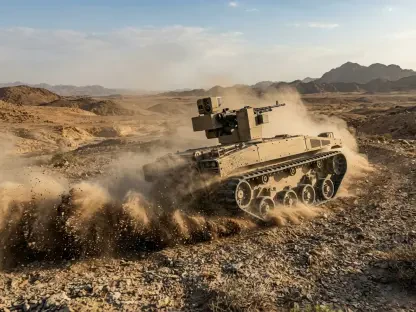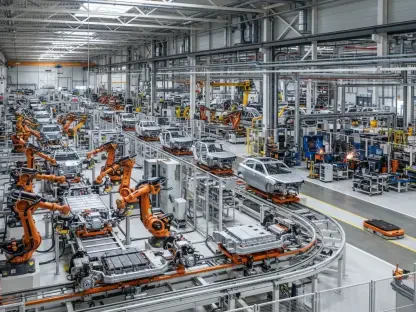

A single breach in an automated manufacturing line or a regional power grid today can paralyze entire supply chains, transforming digital vulnerabilities into tangible physical crises within minutes. As the boundary between interconnected software and heavy machinery dissolves, the stakes for global enterprise stability have never been higher. To address this escalating threat landscape, Accenture has committed a staggering $4.175 billion to fortify industrial security frameworks through 2028. This capital injection is specifically targeted at integrating advanced cybersecurity protocols directly into industrial control systems and operational technology. By focusing on these often-overlooked components of the factory floor, the investment aims to provide a resilient shield against state-sponsored actors and ransomware. The strategy moves beyond traditional firewall protection, emphasizing a fusion of artificial intelligence and hardware security to safeguard the vital infrastructure of the economy.
Foundations of Industrial Security
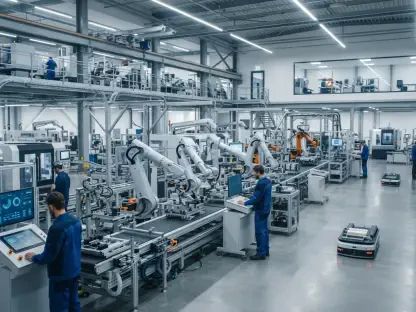
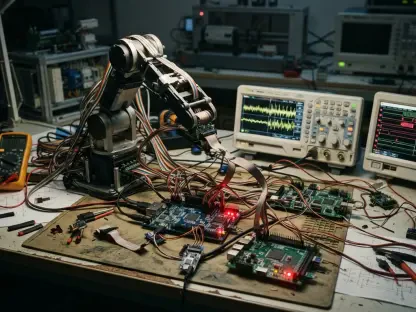
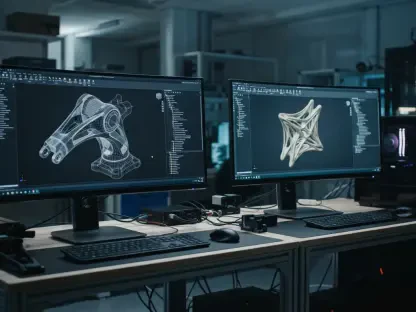
The traditional separation between corporate IT networks and industrial operational technology has largely vanished, leaving legacy systems exposed to modern digital threats they were never designed to withstand. Many manufacturing plants still rely on older programmable logic controllers and supervisory control and data acquisition systems that lack basic encryption or authentication features. Accenture’s massive investment focuses on bridging this gap by deploying specialized monitoring tools that can identify anomalous behavior in real-time without disrupting sensitive production cycles. This effort involves the deployment of digital twin technology to simulate potential attack vectors, allowing engineers to test security patches in a virtual environment before applying them to physical assets. By creating these high-fidelity replicas of industrial environments, organizations can predict how a security breach might propagate to ensure protective measures are robust and effective.
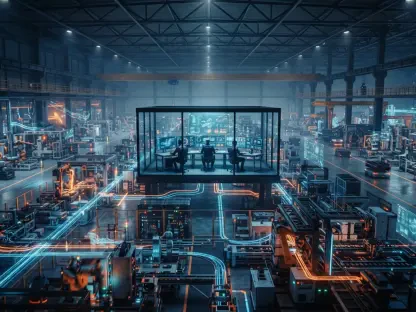
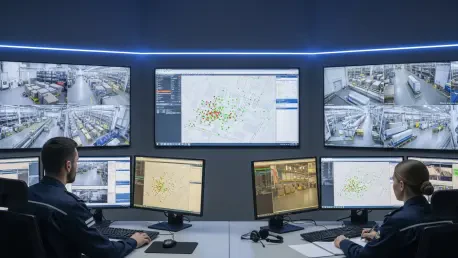
Beyond mere simulation, the capital is being channeled into the development of autonomous threat detection engines specifically tuned for the unique communication protocols found in industrial settings. Unlike standard corporate networks, industrial environments utilize proprietary languages and timing-sensitive data transfers that require specialized analytical models to interpret correctly. These AI-driven systems are designed to distinguish between mechanical wear-and-tear and deliberate digital sabotage, reducing false positives that often plague security operations centers. This level of granularity is essential for protecting complex assembly lines where a millisecond of latency can lead to equipment damage or safety hazards for human workers. Furthermore, the investment supports the training of specialized cybersecurity personnel who possess the dual expertise required to navigate both the software and mechanical engineering aspects of modern production for a layered defense.
Strategic Integration of Systems
Security must extend beyond the four walls of a single factory to encompass the entire global supply chain, which has become increasingly fragmented and susceptible to cascading failures. Accenture is utilizing a significant portion of its multi-billion dollar fund to acquire specialized firms that focus on supply chain transparency and secure hardware manufacturing. These acquisitions are designed to create a unified security standard that suppliers must adhere to, ensuring that components are verified from the point of origin to the final assembly point. This rigorous vetting process addresses the growing concern of hardware implants and compromised firmware that can provide attackers with persistent backdoors into critical systems. Moreover, the initiative fosters collaboration between private enterprises and government regulatory bodies to establish standardized security benchmarks for essential services, helping build a more predictable and secure environment for global trade.
The decision to allocate such a substantial sum reflected an urgent need to transition from reactive defense to a philosophy of inherent industrial resilience. Leaders who successfully implemented these integrated security strategies found that their organizations were better positioned to weather the storms of geopolitical instability and digital warfare. Moving forward, the focus shifted toward the implementation of zero-trust architectures within the physical workspace, where every sensor and actuator required continuous verification. Companies prioritized the modernization of legacy hardware, replacing outdated components with security-hardened alternatives that supported native encryption and remote management capabilities. Decision-makers also invested heavily in cross-functional training programs that broke down the silos between IT professionals and plant managers. By fostering a culture of shared responsibility, these organizations ensured that safety and productivity remained inextricably linked.