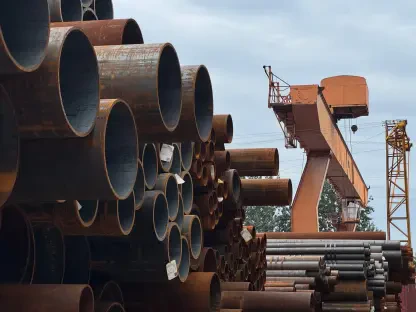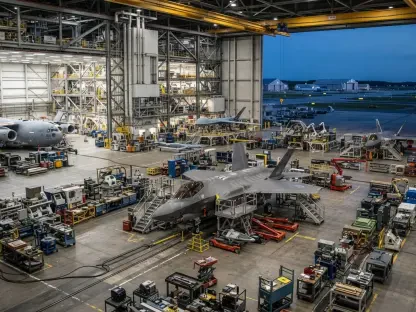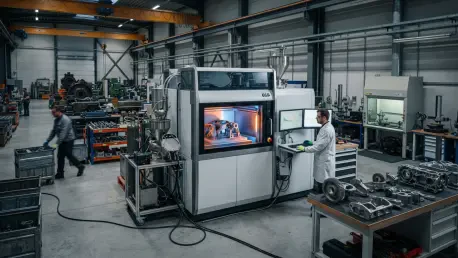

The ability to produce complex, high-performance parts on-site is transforming how the mining industry manages its inventory and equipment maintenance. Traditional supply chains often struggle with long lead times and logistical bottlenecks, especially when specialized components are sourced from overseas manufacturers. The upcoming exhibition at the University of Tehran Science and Technology Park, known as AMnexus 2026, serves as a pivotal platform for demonstrating how additive manufacturing can mitigate these challenges. By bringing together academic researchers, industrial leaders, and venture capitalists, the event highlights a significant shift toward localized, high-tech production. This gathering is not merely a display of machines but a strategic effort to integrate 3D printing into the core of heavy industry, specifically within the metallurgical and mining sectors. The synergy between the Mobarakeh Steel Group and the MSTID Fund underscores the commitment to turning academic breakthroughs into commercially viable solutions that address the specific needs of modern industry.
Evolution of Manufacturing Standards in Heavy Industry
Digital Transformation: Moving Beyond Conventional Methods
Additive manufacturing represents a fundamental change in the way industrial components are conceived and created. Unlike traditional subtractive techniques that involve cutting away material from a solid block, 3D printing builds objects layer-by-layer from digital blueprints. This allows engineers to design parts with internal geometries and lightweight structures that were previously impossible to manufacture. In the context of heavy industry, where equipment is subjected to extreme stress and wear, the ability to customize parts with high precision is invaluable. The technology has matured significantly, moving from a tool used primarily for rapid prototyping to a robust method for final part production. Large enterprises are increasingly recognizing that this digital-first approach reduces the time required to move from a design concept to a functional component. By utilizing advanced polymers and metal alloys, manufacturers can now produce parts that meet or exceed the performance specifications of traditionally forged items while ensuring that every ounce of material is used efficiently during the build.
Localization: Strengthening Domestic Supply Chains
The strategic importance of establishing a self-sufficient additive manufacturing value chain cannot be overstated for national industrial resilience. The upcoming event at the Kareh Aflak Hall is designed to bridge the gap between high-tech innovation and the rigorous operational demands of sectors like steel production and mining. By showcasing domestic capabilities, organizers hope to decrease the reliance on vulnerable international supply chains that are often disrupted by geopolitical or logistical factors. This localization of production ensures that critical infrastructure can be maintained without waiting months for imported spares. Furthermore, the collaboration between knowledge-based firms and heavy industry giants like Mobarakeh Steel Group facilitates the rapid commercialization of research breakthroughs. This ecosystem allows researchers to test their developments in real-world environments, while industrial users gain early access to cutting-edge technologies that improve their overall operational efficiency and reduce long-term costs in a highly competitive market.
Strategic Impact on Steel and Large-Scale Operations
Technical Advantages: Precision and Material Efficiency
In the metallurgical sector, the adoption of additive manufacturing leads to significant improvements in engineering design and material utilization. Traditional methods often result in considerable raw material waste, as significant portions of the original metal stock are removed during machining. In contrast, 3D printing uses only the necessary amount of powder or wire to create the part, leading to a much higher buy-to-fly ratio and lower environmental impact. This efficiency is particularly critical when working with expensive, high-performance alloys required for high-temperature or corrosive environments. Moreover, the freedom to create complex internal cooling channels within heavy machinery parts helps in managing thermal stresses more effectively. This optimization not only improves the performance of the equipment but also extends its operational lifespan, reducing the frequency of costly repairs. As industries look to the current progress between 2026 and 2028, these technical gains will be essential for maintaining a competitive edge in a global market that values sustainable and efficient production.
Operational Resilience: Maintenance and Equipment Restoration
Stakeholders who attended the exhibition recognized that the integration of 3D printing into heavy industry required more than just hardware; it demanded a fundamental redesign of organizational workflows and engineering mindsets. Industrial leaders realized that the first step toward successful implementation involved conducting a comprehensive audit of their current inventory to identify parts most suitable for additive production. They also focused on establishing robust digital security protocols to protect the intellectual property of their component designs. Looking toward the future, these organizations prioritized the upskilling of their workforce to ensure that engineers could effectively utilize advanced design software and operate sophisticated machinery. The consensus was that creating a collaborative environment between research institutions and industrial end-users would be the key to unlocking long-term resilience. By fostering these partnerships, the industry moved toward a decentralized manufacturing model that significantly decreased its environmental footprint while increasing its agility in a global economy.