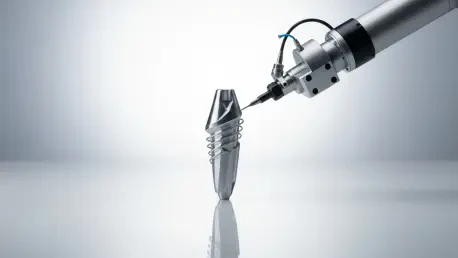

The global industrial landscape is witnessing a profound transformation as metal additive manufacturing matures from a specialized prototyping tool into a cornerstone of large-scale, high-precision serial production for the most demanding sectors. This shift represents a departure from the era of experimental fabrication toward a future where additive and subtractive processes coexist in a unified, hybrid manufacturing ecosystem. Major industries, particularly aerospace, defense, and healthcare, are no longer satisfied with simple geometric freedom; they now demand repeatable, certified, and scalable outputs that can compete with traditional forging and casting.
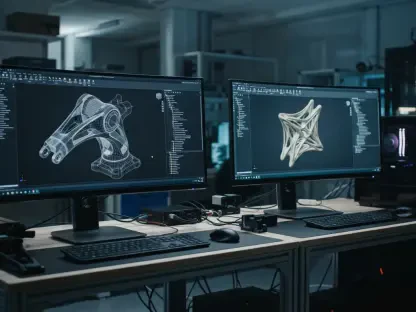
Digitalization serves as the primary engine for this progress, enabling automated workflows that minimize human error while maximizing throughput. Modern production cycles rely on sophisticated software to manage every stage, from initial design to final post-processing. This evolution has paved the way for key market players to move beyond domestic borders, seeking to establish global footprints that offer both localized support and international consistency.
The Evolution of Metal Additive Manufacturing in Global High-Tech Industries
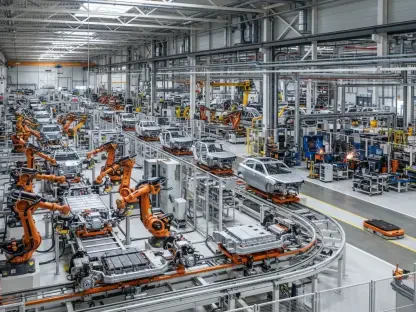
Modern manufacturing strategies have moved rapidly toward the integration of metal 3D printing for serial applications. In the aerospace and defense sectors, the ability to consolidate parts and reduce weight has become a non-negotiable requirement for next-generation platforms. Meanwhile, the healthcare industry leverages these technologies to create complex porous structures that promote osseointegration in orthopedic implants, a feat nearly impossible with legacy machining alone.
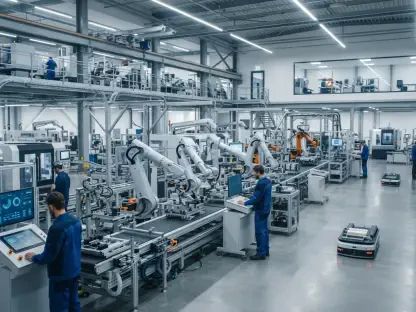
The transition toward hybrid models marks a significant milestone in industrial maturity. By combining the additive creation of complex shapes with the precision of CNC machining, manufacturers can achieve tighter tolerances and superior surface finishes. This synergy is supported by cloud-based data management, ensuring that every component is tracked throughout its lifecycle, which is essential for maintaining the integrity of high-stakes production environments.
Market Dynamics Driving Transatlantic Manufacturing Expansion
Emerging Trends in Patient-Specific Medical Devices and Distributed Production
There is a noticeable pivot toward decentralized manufacturing models to enhance the resilience of global supply chains. By establishing production capabilities closer to the end-user, companies can significantly mitigate the risks associated with logistical delays and geopolitical instability. This is particularly relevant in the medical field, where the demand for customized orthopedic implants and surgical instruments requires a high degree of agility and localized responsiveness.
Adopting digital twin technology allows for the creation of mirrored quality management systems across different continents. This means a facility in Europe can operate with the exact same parameters and validation protocols as its American counterpart. The integration of additive and subtractive processes further streamlines this end-to-end production, ensuring that patient-specific devices are manufactured with the highest levels of accuracy and speed.
Data-Driven Projections for the Global Medical 3D Printing Market
The multi-billion dollar orthopedic device industry continues to serve as a primary growth indicator for advanced manufacturing. Current projections suggest a robust compound annual growth rate for metal additive manufacturing within the North American market through 2028. This surge is fueled by an aging population and a growing preference for personalized healthcare solutions that require specialized manufacturing techniques.
Localized production is expected to yield substantial reductions in lead times and logistical expenses. By eliminating the need for long-distance shipping of sensitive medical components, manufacturers can offer more competitive pricing while improving the speed of delivery to hospitals and clinics. This regionalization strategy is becoming a standard for companies looking to capture a larger share of the American medical market.
Navigating Technical and Operational Barriers in Advanced Manufacturing
Scaling metal additive manufacturing for highly regulated industrial applications involves overcoming significant technical hurdles. Ensuring consistency across different facilities requires a meticulous approach to machine calibration, material powder quality, and environmental controls. Without a unified technical framework, companies risk variability that can compromise the safety and performance of life-critical components.
Addressing the talent gap remains a critical challenge for the industry. Specialized knowledge in both CNC machining and additive process integration is in high demand, yet skilled labor remains scarce. Furthermore, the high capital expenditure required to establish state-of-the-art validation frameworks can be a barrier for many firms. Success in this space requires a strategic balance between investing in advanced hardware and developing the human expertise needed to operate it.
Regulatory Standards and Quality Management in the Medical Device Sector
In the transatlantic medical production landscape, compliance with ISO 13485 and FDA regulations is the foundation of market entry. Implementing a unified Global Quality Management System enables multi-site operations to maintain rigorous standards regardless of geographic location. This consistency is vital for ensuring that every product, whether manufactured in Belgium or Indiana, meets the same stringent safety and efficacy requirements.
Security protocols for protecting sensitive digital design data have become increasingly complex in cloud-based workflows. Protecting intellectual property and patient data requires robust encryption and secure data transfer methods. Furthermore, managing the validation and verification processes for life-critical components demands a transparent and auditable trail of documentation that can withstand intense regulatory scrutiny.
The Future Landscape of Localized High-Precision Engineering
Mirror manufacturing is poised to become the standard for global scalability in high-tech industries. This approach allows companies to replicate their manufacturing “recipe” across multiple sites, ensuring that innovation can be deployed rapidly on a global scale. Potential disruptors, such as advancements in material science and high-speed metal powder bed fusion, will likely accelerate the adoption of these technologies in new industrial niches.
The Indiana-based medical device ecosystem, particularly the hub in North Webster, provides a fertile ground for long-term innovation. By tapping into existing regional expertise, companies can foster a collaborative environment that drives the next wave of precision engineering. As global economic shifts continue to favor regionalized manufacturing, the ability to bridge European innovation with American market demand will be a decisive competitive advantage.
Strengthening Global Supply Chains Through Strategic Growth and Integration
The acquisition of Westconn Precision Technologies by Amnovis represented a calculated move to solidify a localized, high-quality manufacturing presence in the United States. By integrating Westconn’s established metal additive capabilities with sophisticated CNC machining, the organization created a comprehensive hybrid manufacturing platform. This integration allowed for the management of complex projects from development to full-scale production within a single, unified workflow.
The expansion provided a blueprint for other European firms seeking to enter the American market by emphasizing technical depth and logistical agility. The appointment of experienced leadership, including Chris Cook and Jake Marasco, ensured that the transition was guided by specialized knowledge in medical device scale-ups and precision machining. Ultimately, the move demonstrated how a scalable, mirrored production model could effectively bridge the gap between continents, shaping the trajectory of hybrid manufacturing for the coming decade.