
The Evolving Frontier: Robotic Security and Regulatory Oversight
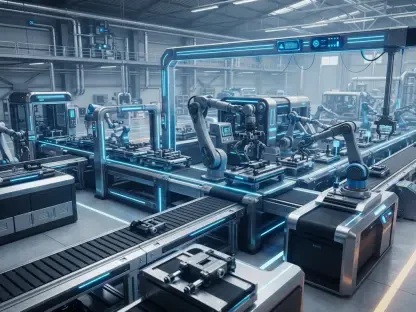
The rapid expansion of high-performance robotic systems into critical American infrastructure has forced a paradigm shift where the physical machine is now viewed as a potential gateway for systemic disruption. What were once considered simple mechanical tools have transformed into sophisticated cyber-physical systems that possess the capability to sense, process, and act upon the world in real time. This evolution has prompted federal regulators, including the Federal Communications Commission, to expand the list of restricted technologies to include specific foreign-produced robotic devices and power inverters. Such a pivot in policy marks a transition from concerns about simple intellectual property theft to a much broader focus on the risks of large-scale surveillance and the potential for infrastructure sabotage.
The integration of these advanced systems into the domestic economy has created a complex web of dependencies that are no longer purely digital. As robots become more autonomous, the line between software security and physical safety begins to blur, making the integrity of the hardware just as important as the code it runs. This article examines the strategic motivations behind the latest regulatory shifts and explores the debate regarding whether the primary threat originates from the design of the machines or the geopolitical interests of the nations that manufacture them. Understanding these vulnerabilities is now a prerequisite for maintaining the resilience of national infrastructure in an increasingly automated world.
Geopolitical Stakes: Tracing the Shift from Hardware to Strategic Risk
Evaluating the current scrutiny of foreign robotics requires an understanding of how technology policy has matured over the last several years. In the past, the primary concern regarding foreign-made equipment was centered on telecommunications gear, such as routers that could potentially harbor backdoors for data interception. However, the legal framework established by the Secure Networks Act allowed the government to broaden its scope, identifying any equipment that posed an unacceptable risk to national security. This progression has moved the spotlight from networking hardware to drones and, most recently, to humanoid and industrial robotic systems that operate deep within the American supply chain.
This shift underscores a growing realization that the modern manufacturing environment is a central battleground for geopolitical competition. In an era where globalized assembly lines are the norm, components are often sourced from jurisdictions that may not align with American security priorities. This has transformed regulatory lists from administrative tools into critical pillars of national defense strategy. The current environment reflects a fundamental change in how the trustworthiness of technology is assessed, moving away from a model of open trade toward one that prioritizes the provenance of every critical sensor and circuit.
The Double-Edged Sword: Physical and Digital Vulnerabilities
The Cyber-Physical Reality: Surveillance and Command Vulnerabilities
Advanced robots function as mobile, high-powered computers equipped with a variety of sensitive instruments, including high-resolution cameras and LiDAR. While these sensors are vital for navigation, they also turn every robot into a potential surveillance platform capable of mapping the interior of secure facilities or capturing proprietary data. In a sensitive industrial setting, a compromised machine could operate as an undetected observer, gathering information that would be impossible to obtain through traditional hacking methods. This physical presence adds a layer of risk that traditional cybersecurity measures are not always equipped to handle.
Beyond the threat of data collection, the possibility of remote commandeering presents a significant physical danger. Most modern robotic systems maintain a permanent digital link to the manufacturer’s cloud infrastructure for updates and artificial intelligence processing. This tether could be exploited by an adversary to take control of a machine’s physical movements, leading to intentional damage or the disruption of critical production lines. In such a scenario, the threat is not just to data privacy, but to the actual safety of the humans working alongside these automated systems.
Infrastructure at Risk: Why Power Inverters and Industrial Machines Matter
The inclusion of power inverters in recent security discussions highlights a vulnerability that directly impacts the national energy grid. These devices are essential for converting the energy produced by renewable sources, such as solar panels, into a form that can be used by the electrical grid. Because modern inverters are networked for remote management, they represent a potential entry point for cyberattacks aimed at disrupting power distribution. A coordinated effort to exploit these devices could lead to widespread outages or physical damage to expensive energy storage hardware.
The concern for policymakers is that these seemingly innocuous components could be used as a strategic kill switch during periods of heightened tension. Unlike a standard computer virus, an attack on energy infrastructure has immediate and tangible consequences for national stability. This highlights the reality that the threat is not limited to high-profile humanoid robots but extends to the hidden components that keep the country’s basic services running. The focus has therefore expanded to include any networked device that plays a role in the reliability of the utility sector.
The Debate over Origin: Engineering Integrity vs. Geographical Provenance
A significant point of disagreement among technical experts is whether the country of origin is a truly effective metric for determining the security of a device. One perspective maintains that security is a result of rigorous engineering and transparent auditing rather than geographic location. Supporters of this view argue that focusing on where a robot is built can be arbitrary, as insecure code can be written anywhere in the world. They suggest that the implementation of objective standards, such as a Software Bill of Materials, would be a more effective way to verify the safety of a system regardless of its source.
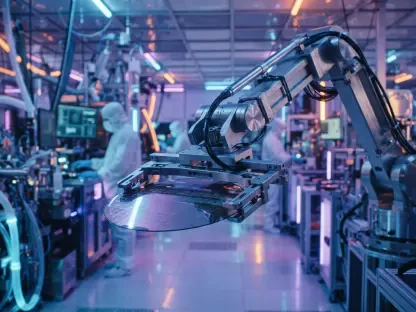
However, a competing view emphasizes that hardware-level security presents unique challenges that software audits cannot always address. While code can be scanned and patched, verifying the integrity of silicon chips and hardware components is an incredibly difficult and expensive process. If a foreign entity controls the entire fabrication line, they have the opportunity to insert malicious hardware that remains invisible to standard detection methods. For many in the government, this inherent risk justifies a more cautious approach that restricts hardware from geopolitical competitors to avoid the nearly impossible task of inspecting every single component.
Future Horizons: Navigating Onshoring and Integrated Tech Policy
The current regulatory landscape suggests that the expansion of restricted technology lists is part of a permanent move toward regionalizing the high-tech supply chain. There is an increasing emphasis on onshoring the production of critical components and incentivizing domestic innovation to reduce reliance on potentially compromised foreign sources. This strategy is intended to create a resilient ecosystem where the origin of every piece of hardware is known and verified. As a result, the market is likely to see a continued push for American-made alternatives in sectors that are deemed vital to national interest.
Looking ahead, the industry will likely face a new set of mandatory technical standards that go beyond simple brand-based restrictions. These requirements may include rules for local data processing to eliminate cloud dependencies and mandatory third-party hardware inspections for any system used in sensitive environments. As robotics and artificial intelligence continue to integrate, the regulatory framework will need to evolve quickly to keep pace with new capabilities. The goal is to find a balance that allows for the continued adoption of efficiency-boosting automation while ensuring that these technologies do not undermine the security of the nation.
Market Resilience: Strategic Recommendations for a Regulated Market
For organizations that rely on automated systems, the changing regulatory environment requires a proactive strategy for managing technological risk. It is no longer enough to assume that a device is safe simply because it is commercially available; instead, a thorough audit of all existing robotic and power infrastructure is necessary. While many regulations focus on future acquisitions, the operational risks associated with existing equipment from restricted sources continue to grow as geopolitical tensions evolve. Businesses must be prepared to transition away from high-risk vendors to maintain their long-term stability and compliance.
Strategic measures for navigating this market include:
- Prioritize hardware provenance by selecting vendors that offer a transparent view of their component sources and a detailed Software Bill of Materials.
- Implement strict network segmentation to ensure that all robotic devices operate on isolated networks, preventing them from accessing sensitive corporate or government data.
- Support the development of universal security certifications that emphasize technical resilience and independent verification over purely geographic bans.
By adopting these practices, organizations can protect their own operations while contributing to a more secure national industrial base.
Securing the Future: The American Supply Chain in an Age of Automation
The investigation into the security of foreign-produced robotics revealed a complex intersection of technical vulnerability and strategic necessity. The decision to restrict certain machines and power inverters was based on a calculated determination that the risks of remote exploitation were too significant to remain unaddressed. Analysts concluded that the shift from isolated tools to networked cyber-physical systems required a fundamental rethinking of how the supply chain was defended. The government prioritized the integrity of the physical hardware as a primary defense against potential systemic sabotage and unauthorized data collection.
Efforts to secure the domestic technological landscape focused on building a resilient manufacturing base that did not depend on geopolitical adversaries. The transition toward stricter standards for hardware provenance and local data processing provided a path for the continued use of automation without compromising national safety. It was determined that while software audits remained a vital tool, they were insufficient to counter the deep-seated risks of hardware fabrication in untrusted environments. Ultimately, the move toward a more regulated and domestically controlled robotics market served as a necessary step in protecting the essential infrastructure of the United States.