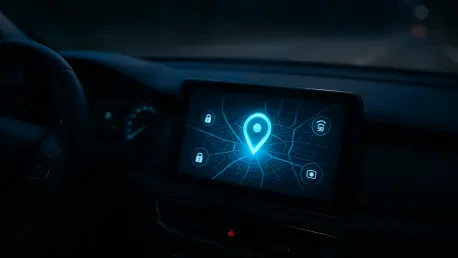

Domestic violence survivors face new threats as location-tracking capabilities in modern cars can be weaponized by stalkers to monitor their every movement. This chilling reality highlights a growing divide between automotive innovation and user privacy rights. Today’s vehicles are essentially computers on wheels, outfitted with dozens of sensors and permanent cellular connections that transmit a constant stream of data to manufacturer servers. While these features facilitate remote diagnostics and emergency assistance, they also create a digital footprint that is often accessible via smartphone applications. When an abusive partner retains access to the vehicle’s linked account, they can pinpoint the car’s location in real-time, lock or unlock doors, and even trigger the horn or lights from a distance. The challenge lies in the fact that these connectivity suites are deeply integrated into the operating system, making them difficult to disable without losing essential safety functions that many drivers rely on daily.
The Architecture of Automotive Surveillance
Data Ecosystems: Constant Streams of Information
High-definition cameras, GPS sensors, and internal microphones are no longer optional extras but standard equipment in the latest 2026 models. These components feed into a central gateway that processes data ranging from precise coordinates to driving behavior patterns like braking intensity and steering speed. Manufacturers argue that this data collection is essential for the development of autonomous driving features and proactive maintenance alerts. However, the granularity of this information allows for an unprecedented level of profiling. Every frequent stop at a grocery store, medical clinic, or place of worship is logged and stored. In many cases, this data is transmitted wirelessly via 5G networks to cloud repositories where it can be analyzed by artificial intelligence to predict future behavior. The technical complexity of these systems ensures that the average driver remains largely unaware of just how much information their vehicle is broadcasting to external servers at any given moment.
Application Vulnerabilities: The Remote Control Threat
Smartphone companion apps have become the primary interface for many drivers, offering convenience at the cost of security. These applications allow users to remotely start engines, adjust climate controls, and monitor fuel or battery levels from anywhere in the world. While these features are marketed as luxury conveniences, they provide a powerful toolset for anyone with login credentials to exert control over the vehicle and its occupant. In scenarios involving domestic disputes, a former partner who remains the primary account holder can use the app to harass the driver by repeatedly sounding the alarm or locking the doors while the vehicle is in use. There is currently no standardized industry protocol for quickly revoking access in emergency situations, often leaving the secondary driver in a state of digital limbo. The lack of clear notification systems within the vehicle cabin means that a driver may not realize they are being actively tracked until a confrontation occurs.
Regulatory Responses and Security Solutions
Policy Evolution: Seeking a Legal Safeguard
As the prevalence of connected vehicles grows, lawmakers are beginning to scrutinize the lack of comprehensive privacy protections in the automotive sector. Unlike the strictly regulated healthcare or financial industries, car manufacturers operate in a relative “Wild West” regarding data ownership. Current federal regulations do not explicitly define who owns the data generated by a vehicle—the owner, the driver, or the manufacturer. This ambiguity has led to various legislative proposals aimed at giving consumers more control over their digital footprint. For example, some states are considering extensions that would force manufacturers to provide clear, easy-to-use “kill switches” for data transmission. From 2026 to 2028, we expect to see a surge in enforcement actions targeting companies that fail to disclose the full scope of their data harvesting practices. This regulatory pressure is forcing a slow but necessary change in corporate culture, where privacy is a priority.
Proactive Defenses: Steps Toward User Empowerment
Experts recommended that vehicle owners performed comprehensive audits of their connected services to identify every person who held administrative access to their vehicle’s mobile application. It was essential for drivers to treat their vehicle’s digital account with the same level of security as a bank account, utilizing strong, unique passwords and enabling two-factor authentication where available. For those in high-risk situations, advocates suggested contacting the manufacturer directly to request a hard reset of the telematics system, which could effectively sever any lingering ties to unauthorized users. Furthermore, many found success in checking the vehicle’s infotainment settings to disable location-sharing features that were not vital for navigation or emergency services. By taking these proactive steps, individuals regained a significant degree of control over their personal movements. The industry also saw the introduction of “Privacy Modes” that allowed drivers to mask their location from the cloud.