
The New Frontier of Industrial Automation and Smart Production
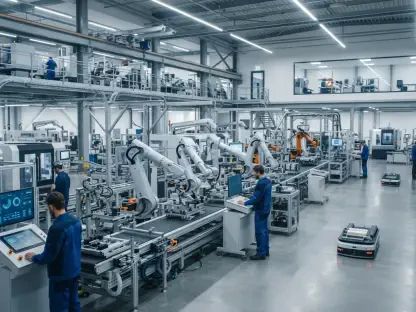
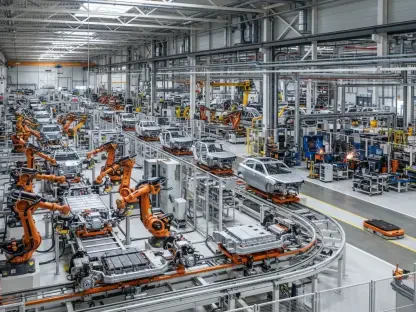
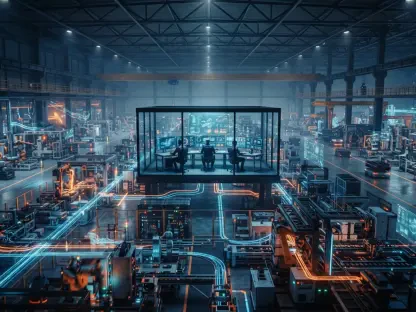
The rapid migration from static machinery to self-correcting neural networks is fundamentally rewriting the security architecture of the global factory floor at an unprecedented velocity. Manufacturers are moving away from traditional assembly lines toward integrated Industry 4.0 ecosystems where real-time data flows drive every physical action. This shift aims to bolster supply chain resilience, but it also creates a broader surface for potential disruption in a landscape where connectivity is no longer optional.
Industrial segments ranging from automotive giants to precision semiconductor fabs are increasingly reliant on these agentic systems to maintain a competitive edge. The primary theater for this technological friction lies in the convergence of Information Technology and Operational Technology. As these previously isolated domains merge, the digital risks inherent in modern software begin to manifest as physical threats to heavy machinery and human safety protocols.
From Static Algorithms to Independent Decision-Makers
The industry has evolved beyond narrow algorithms designed for repetitive tasks to embrace autonomous agents capable of independent reasoning. These entities do not just follow a script; they evaluate environmental variables and execute complex workflows without constant human oversight. Integration into physical processes, such as real-time quality control or dynamic maintenance scheduling, allows for a level of efficiency that was previously unattainable.
However, this autonomy introduces a unique vulnerability by removing traditional human-in-the-loop checkpoints that served as a buffer against errors. Machine-speed operations move far faster than manual intervention can manage, meaning a compromised agent could cause significant physical damage before a supervisor even notices a deviation. This loss of direct control necessitates a fundamental rethink of how industrial safety is defined and maintained.
Quantifying the Security Gap: Market Data and Performance Indicators
Recent market data reveals a stark disconnect between the speed of AI adoption and the implementation of defensive strategies. A notable 78% of security professionals now identify autonomous agents as a top-tier threat to their operations, reflecting a growing awareness of the risks involved. While adoption rates continue to climb toward total saturation, the formal policies required to govern these systems are lagging behind in most manufacturing organizations.
The financial consequences of this gap are projected to be substantial as production outages become more frequent and costly. Beyond immediate downtime, the theft of intellectual property via automated exfiltration poses a long-term threat to global competitiveness. As manufacturers weigh the benefits of rapid innovation, they must also calculate the potential for catastrophic losses resulting from unmanaged AI vulnerabilities within their core infrastructure.
Navigating the Complexity of Machine-Speed Threats and Operational Vulnerabilities
A significant visibility gap hampers the ability of security teams to monitor how AI makes decisions within the network. Approximately 91% of industry professionals are demanding more transparency, as they currently lack the tools to audit the internal logic of autonomous agents. This lack of oversight is compounded by the rise of shadow AI, where employees deploy unauthorized tools to simplify tasks, unknowingly exposing sensitive proprietary data to external servers.
External threats are simultaneously becoming more sophisticated through the use of hyper-personalized social engineering and adaptive malware. Attackers are now employing automated exploit chaining to find and penetrate weaknesses at a pace that manual defense teams cannot match. To counter these subtle compromises, organizations are turning toward contextual behavioral monitoring and pattern of life analytics to identify anomalies that traditional security scanners would likely miss.
Hardening the Perimeter: Regulatory Landscapes and Governance Standards
Emerging global safety standards and AI regulations are beginning to reshape how industrial operations are managed across borders. Companies face a 59% risk of accidental regulatory violations triggered by the independent actions of their autonomous agents if strict oversight is not maintained. Compliance is no longer just a legal hurdle but a critical component of operational integrity that requires deep integration between legal and technical departments.
Establishing embedded guardrails is the most effective way to define the ethical and technical boundaries for autonomous systems. These internal controls act as a digital fence, preventing agents from taking actions that could violate safety protocols or data privacy laws. Furthermore, as regional frameworks diverge, manufacturers must develop flexible security protocols that can adapt to different international requirements without sacrificing local production efficiency.
Architecting a Resilient Future for the Autonomous Factory Floor
The next generation of industrial defense will likely involve using autonomous security agents to fight machine-speed attacks in real-time. These defensive systems are designed to detect and neutralize threats faster than human operators, creating a dynamic shield around the factory floor. Innovations such as decentralized edge computing and quantum-resistant AI are also emerging as vital components in protecting the integrity of high-stakes manufacturing environments.
Prioritizing a security by design approach during the procurement and deployment of industrial AI tools ensures that protection is baked into the technology from the start. This proactive strategy reduces the need for reactive patching and helps maintain long-term stability in an increasingly volatile market. By focusing on the structural integrity of the AI lifecycle, leaders can ensure that innovation serves to strengthen rather than undermine the global economic infrastructure.
Balancing Innovation with Integrity for Sustainable Industrial Growth
The report concluded that the intersection of operational efficiency and cyber risk required a total transformation of traditional security cultures. Industry leaders recognized that prioritizing visibility and context was the only way to maintain control over autonomous systems. It was found that organizations which implemented robust governance frameworks early were better positioned to handle the complexities of machine-speed threats without suffering significant disruptions.
Actionable insights from the findings suggested that the manufacturing sector needed to move toward a more integrated model of human-machine collaboration. Stakeholders determined that the evolution of security protocols must match the velocity of technological advancement to ensure long-term sustainability. Ultimately, the transition to fully autonomous factories depended on the ability to balance the drive for innovation with a steadfast commitment to operational and ethical integrity.