
Navigating the Shift: Cost Efficiency Versus Supply Continuity
The global manufacturing landscape is currently undergoing its most significant transformation since the dawn of the industrial age. For decades, the primary objective of supply chain management was the relentless pursuit of cost reduction through lean methodologies and globalized sourcing. However, recent global shocks have exposed the fragility of these stretched networks, prompting a strategic pivot toward resilience. This shift reflects a broader understanding that the lowest unit price is meaningless if the product cannot be delivered due to external disruptions.
Industry leaders are reimagining procurement and logistics to survive an era of systemic risk. By analyzing the intersection of geopolitical shifts, technological innovation, and organizational change, the sector is moving toward a roadmap for building a manufacturing ecosystem that is not only efficient but fundamentally robust. The current climate demands a departure from reactive crisis management toward a proactive stance where supply assurance is the dominant metric of success. This evolution requires a comprehensive re-evaluation of every link in the production chain, from raw material extraction to final delivery.
The Evolution of Risk: The End of Hyper-Globalization
To understand the current state of manufacturing, one must look back at the historical drivers of the modern supply chain. The post-Cold War era ushered in a period of hyper-globalization where companies sought the lowest possible labor and material costs, often ignoring the risks inherent in long, complex logistics tails. During this period, disruptions were viewed as “black swan” events—rare, isolated incidents like a factory fire or a localized strike. The emphasis was on minimizing inventory to free up capital, a strategy that worked effectively in a relatively stable geopolitical environment.
However, the legacy of global health crises and rising geopolitical tensions has redefined risk as a systemic, interconnected phenomenon. These historical shifts have proven that the old model of “just-in-time” delivery is no longer viable when global stability can no longer be taken for granted. Modern risks are compounding; a single event in one region can trigger simultaneous inflationary pressure, logistics failures, and material shortages across the globe. Consequently, the industry is moving away from the “points of failure” mindset toward a more holistic view of network stability, recognizing that the era of unfettered globalization has reached its practical limit.
Strategies: Mitigating Systemic Vulnerability
Quantifying Exposure: Deep-Tier Visibility
Modern manufacturing resilience hinges on the ability to see beyond direct partners. Many organizations operate under a false sense of security, believing their supply base is diversified when, in reality, their Tier 1 suppliers all rely on the same Tier 3 raw material source. For instance, an electronics firm might use multiple battery vendors, only to discover that every one of them sources cobalt from the same single mine. Identifying these hidden concentration risks is the first step in moving from reactive firefighting to proactive risk management.
Identifying these single points of failure before a crisis occurs allows companies to diversify at the foundational level. By mapping the “Tier-N” levels of the supply chain, manufacturers can gain a granular understanding of where their true vulnerabilities lie. This process often reveals that what appeared to be a robust, multi-sourced strategy is actually a fragile network dependent on a handful of common denominators. Transitioning toward this level of transparency is essential for any business that aims to maintain production continuity in the face of localized or regional disruptions.
Sovereign Manufacturing: Regionalization Trends
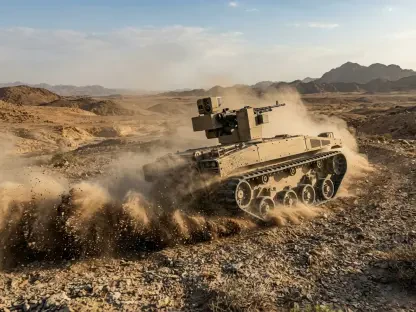
In sectors critical to national security, such as aerospace and defense, there is a marked trend toward sovereign manufacturing. Governments and industry leaders are increasingly prioritizing domestic production capabilities to decouple from volatile international dependencies. This shift represents a strategic “re-domestication” of the supply chain, moving away from globalized sourcing in favor of regional hubs that offer greater control and shorter lead times. This trend is particularly evident in the current cycle from 2026 to 2030, as nations invest in local infrastructure to protect critical supply lines.
While this approach may increase upfront costs, the long-term benefit lies in guaranteed supply assurance and the protection of intellectual property, which are becoming more valuable than marginal price savings in an unstable geopolitical climate. Regionalization also facilitates closer collaboration between manufacturers and their suppliers, fostering a more agile response to demand changes. By shortening the physical distance between production stages, companies reduce their exposure to maritime bottlenecks and international trade disputes, creating a more predictable operational environment.
Data Integration: Agile Technology and Filtration
As manufacturers adopt AI and machine learning to monitor their networks, they often encounter the “visibility paradox”—an overwhelming flood of data that leads to alert fatigue. To combat this, leading firms are adopting a “water filtration” model for data. Instead of attempting to overhaul massive, rigid ERP systems, they use agile, specialized platforms that sit on top of existing infrastructure. These tools filter out the “noise” of minor disruptions and highlight only the most critical threats to production, ensuring that human expertise is applied where it is most needed.
This methodology allows management to focus on high-priority issues, ensuring that technological adoption serves to clarify rather than complicate the decision-making process. The use of specialized platforms enables real-time, dynamic risk management without the prohibitive lead times and costs of traditional IT infrastructure projects. By integrating disparate data sources—from weather patterns to port congestion—into a filtered dashboard, manufacturers can achieve a level of situational awareness that was previously impossible, allowing for rapid pivots when a disruption is detected.
Emerging Trends: The Future of Autonomous Supply Chains
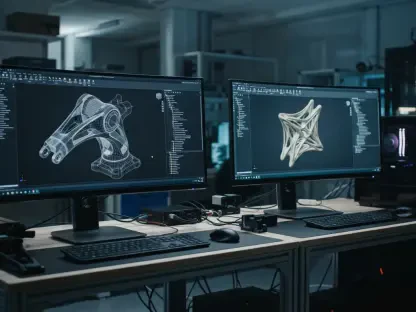
Looking ahead, the integration of advanced technologies will continue to redefine what it means to be resilient. The industry is entering an era of autonomous supply chain monitoring, where predictive analytics can anticipate disruptions before they happen by analyzing economic indicators and environmental data in real-time. This transition allows for the creation of digital twins—virtual replicas of entire supply networks—that enable companies to run stress-test simulations. These simulations help in developing contingency plans for various global scenarios with unprecedented precision, ensuring that the organization is prepared for multiple “what-if” situations.
Furthermore, the push for sustainability and ESG compliance is becoming a secondary driver of resilience. A transparent supply chain is both more ethical and more secure, as companies that track their environmental footprint often gain better visibility into their sub-tier suppliers. From 2026 to 2031, the convergence of regulatory requirements and risk management will likely lead to a standard where transparency is a prerequisite for market entry. This evolution will further encourage the adoption of blockchain and other distributed ledger technologies to ensure the authenticity and ethical sourcing of raw materials across all tiers of production.
Best Practices: Strengthening the Manufacturing Core
For businesses looking to apply these insights, the first step is a cultural shift where procurement is viewed as a value-added strategic function rather than a cost center. Organizations should prioritize supply assurance as their primary metric, even if it requires holding more “just-in-case” inventory or investing in premium-tier suppliers. Actionable strategies include performing deep financial and quality audits of sub-tier vendors and establishing active partnerships where the manufacturer may even purchase raw materials on behalf of its suppliers.
Additionally, training internal teams to manage complex data and navigate international regulatory shifts is essential for maintaining long-term competitiveness. The mandate for the Chief Procurement Officer has pivoted from simple price negotiation to complex risk quantification. Success in this new environment requires a blend of technical proficiency and strategic foresight. Manufacturers must foster a culture of continuous improvement, where the supply chain is treated as a dynamic asset that requires constant monitoring and adjustment rather than a static procurement list.
Securing the Future: A Reflection on Global Production
The transition from a cost-centric to a resilience-centric model was not merely a temporary reaction to recent crises but a fundamental evolution of the manufacturing industry. As systemic risks became the new normal, the ability to adapt to volatility stood out as the primary differentiator between industry leaders and those who were left behind. By embracing deep-tier visibility and strategic regionalization, manufacturers built networks capable of withstanding the shocks of a complex era. Intelligent data management played a critical role in clearing the path for these advancements, turning raw information into actionable strategic intelligence.
Industry leaders recognized that building resilience was an ongoing commitment to agility and foresight, ensuring that the wheels of production kept turning regardless of international challenges. The strategies implemented focused on decoupling from unreliable sources and investing in sovereign capabilities where necessary. This approach moved the sector toward a future where stability and ethics were prioritized alongside efficiency. Ultimately, the successful organizations were those that treated their supply chains as living ecosystems, constantly evolving to meet the demands of a changing global landscape. Actionable steps involved a deeper integration of technology and a shift in organizational culture toward long-term security.