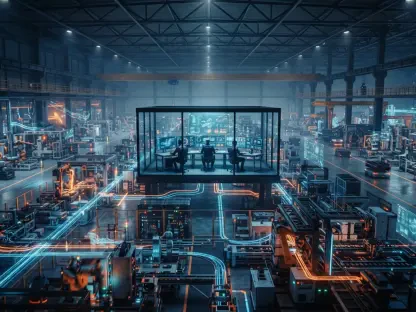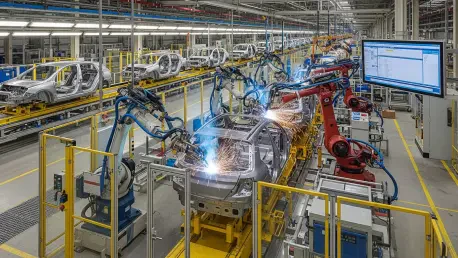

As the rhythmic hum of sophisticated robotic actuators echoes through modern manufacturing plants, the traditional boundary between manual labor and automated precision has effectively vanished. In this high-stakes environment, the United Auto Workers and other major labor organizations are navigating a pivotal transition where the arrival of humanoid assistants is no longer a pilot program but a standard operational reality. Manufacturers are now deploying these machines to handle hazardous tasks, yet the move has sparked intense debates regarding the long-term viability of human employment in the sector. Recent labor agreements reflect a significant shift in priority, moving toward securing technology-proof wages and ensuring that productivity gains from AI are shared with the workforce. The core challenge lies in preventing the total displacement of skilled technicians while embracing the efficiency that modern technology offers. This era of industrial evolution demands a sophisticated approach to collective bargaining that recognizes the symbiotic relationship between human ingenuity and machine-driven speed.
Integrating Advanced Robotics into Labor Contracts
The Emergence of the Hybrid Workforce
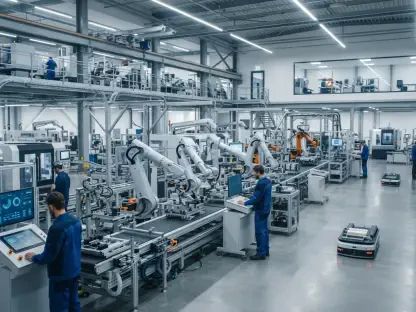
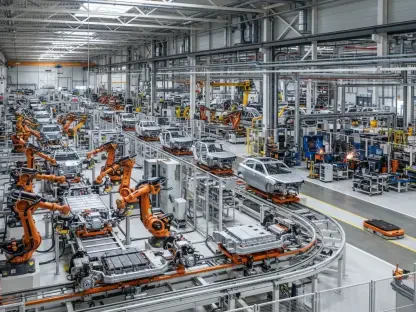
The deployment of autonomous humanoid robots across assembly lines at facilities like the Spartanburg plant has demonstrated that technology serves best when augmenting human capabilities rather than replacing them entirely. These robots are now tasked with the intricate handling of battery modules and chassis components that were once prone to causing repetitive strain injuries among human workers. By offloading these physically taxing duties to machines, the labor force has moved into more specialized roles involving the maintenance, programming, and oversight of the very systems that assist them. Unions have responded by demanding transparency in how these technologies are implemented, insisting on human-in-the-loop protocols that ensure a person always retains final decision-making authority over critical assembly steps. This collaborative model has successfully reduced workplace injuries by a significant margin, creating a safer environment that justifies the substantial capital investment required for these advanced systems.
Establishing Protection against Algorithmic Management
Beyond the physical presence of robots, the rise of AI-driven management systems has introduced a new layer of complexity to the relationship between management and labor unions. Algorithmic tools that monitor worker efficiency down to the millisecond are being met with resistance, leading to new contract clauses that limit the use of invasive surveillance and data-driven performance quotas. Labor leaders argue that while data can optimize logistics, it should not be used to create a digital sweatshop where human workers are forced to match the tireless pace of a machine. Instead, successful implementations focus on using AI to streamline supply chains and predict equipment failures before they cause downtime, which benefits both the company’s bottom line and the workers’ daily job stability. Negotiators are now securing rights to the data collected by these systems, ensuring that workers have a say in how their performance is measured and that technology is used to empower rather than dehumanize the industrial workforce.
Redefining Economic Stability through Technological Growth
Mandatory Technical Training and Career Evolution
One of the most effective strategies for ensuring the coexistence of unions and automation has been the institutionalization of mandatory upskilling programs funded directly by manufacturers. These initiatives provide assembly line workers with the certifications necessary to become robotics technicians and software diagnostic experts, effectively pivoting their careers toward high-demand sectors. By embedding these training requirements into multi-year labor contracts, companies guarantee a steady pipeline of skilled internal talent capable of managing the next generation of industrial hardware. This proactive approach mitigates the fear of obsolescence and fosters a culture of continuous learning where technology is viewed as a tool for career advancement. Furthermore, these programs often include partnerships with local technical colleges, creating a standardized curriculum that keeps the workforce ahead of the rapid technological curve. The result is a more resilient labor market where workers possess the technical literacy to thrive alongside complex systems.
Shared Productivity Gains and Financial Equity
The integration of automation into the automotive sector required a fundamental shift from defensive posturing toward a proactive strategic partnership between labor and management. It became clear that the most successful organizations were those that treated their workforce as an essential component of the technological ecosystem rather than a legacy cost. Looking ahead, industry leaders adopted a framework that prioritized the human-first deployment of AI, where the primary goal of any new system was to enhance the worker’s environment and productivity. Moving forward, companies should implement transparent technology roadmaps that allow unions to participate in the design phase of automated systems, ensuring that ergonomic and safety concerns are addressed long before hardware reaches the floor. Additionally, the establishment of independent tech-ethics boards within manufacturing plants provided a venue for resolving disputes. These steps turned the challenge of automation into a catalyst for a more skilled industrial workforce.