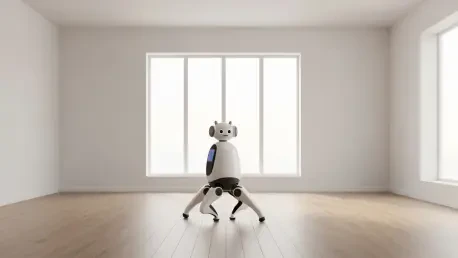

The transition from utilitarian machines that scrub floors to emotionally intelligent entities capable of providing genuine comfort marks a definitive turning point in the domestic technology landscape. Colin Angle, the celebrated pioneer behind the Roomba and co-founder of iRobot, has shifted his visionary focus toward solving the pervasive issue of modern loneliness through his new venture, Familiar Machines & Magic. This startup recently introduced a prototype known as the Familiar, an AI-driven companion that prioritizes social interaction and emotional support over traditional chores. Unlike the cold, mechanical assistants of the past, this device represents a new category of consumer electronics designed to integrate into the home as a recognized family member. By leveraging decades of expertise in mobility and automation, the development team has created a machine that moves beyond the logic of labor-saving devices. The goal is no longer just to clean a room but to inhabit it, providing a sense of presence and companionship that bridges the gap between static technology and the warmth of a living creature.
Design Philosophies and the Rejection of the Humanoid Form
The aesthetic and structural composition of the Familiar represents a deliberate departure from the current industry fixation on humanoid robots that attempt to mimic human proportions and movements. Instead of pursuing a design that risks entering the uncanny valley, the engineering team opted for a nondescript, four-legged creature roughly the size of a bulldog. It features a curated blend of animalistic traits, including soft bear-cub ears, wide doe-like eyes, and paws that utilize soft-robotics technology to ensure every interaction feels organic and approachable. This specific form factor allows users to project their own emotions onto the device without the rigid expectations that accompany a direct replica of a specific breed like a Golden Retriever or a Siamese cat. By maintaining an ambiguous but friendly appearance, the robot fosters a unique type of bond that is not tethered to biological accuracy. This design choice ensures that the machine remains a comforting presence rather than an unsettling mechanical imitation of a person or a pet.
Furthermore, the physical build of the Familiar emphasizes the importance of tactile interaction as a primary method of building trust and emotional resonance between the user and the machine. The robot is covered in high-quality, touch-sensitive materials that respond to stroking and patting, reinforcing the nurturing instinct that humans naturally feel toward vulnerable creatures. This focus on “softness” in robotics is a significant shift away from the hard plastics and exposed metals that have dominated the industry for years. By creating a machine that is pleasant to touch and hold, the startup has transformed a complex piece of hardware into something that feels like “living furniture.” This tactile feedback loop is essential for triggering the release of oxytocin, which helps solidify the emotional connection between the owner and the device. The integration of high-fidelity sensors allows the robot to lean into a touch or adjust its posture to be more inviting, making the mechanical responses feel like genuine reactions to human affection and care.
The Technological Architecture of Emotional Intelligence
At the core of the Familiar’s capabilities is a sophisticated brain powered by recent breakthroughs in generative artificial intelligence and large language models. These advancements allow the robot to process natural language and interpret environmental context with a level of nuance that was technically impossible even just a few months ago. Unlike previous generations of robotic pets that relied on static, pre-programmed routines, this companion is an active participant in its surroundings, constantly observing and learning from the habits of its owner. It can identify patterns in the household routine, such as knowing when the owner typically sits down to read or when they return from a walk. This data is used to adapt its personality over time, ensuring that each Familiar becomes uniquely tailored to the emotional needs of its specific household. The result is a machine that does not just exist in a space but understands its role within the social fabric of the home, providing a dynamic and evolving experience.
Communication between the human and the machine is handled with a specific focus on maintaining the robot’s identity as a companion rather than a tool. While the device utilizes high-fidelity audio arrays to “listen” to human speech and pick up on vocal tones, it does not respond using a synthesized human voice or recognizable words. Instead, it expresses itself through a library of emotive, animal-like sounds and subtle body language that signal its mood and attentiveness. This prevents the user from viewing the robot as a simple voice assistant like those found in smartphones and smart speakers. By stripping away human language, the design team forces a more primitive and deep-rooted form of social interaction based on empathy and observation. This vulnerability is a calculated feature intended to encourage the human user to care for the machine, thereby strengthening the perceived bond. The robot’s ability to signal curiosity, excitement, or a need for attention creates a two-way emotional street that mirrors the complexity of biological relationships.
Societal Implications and Targeted Support for the Elderly
A significant driver for the adoption of this technology is the growing demographic of retired individuals who face the challenges of social isolation and the physical limitations of aging. For many elderly people, the logistical and financial burdens of caring for a biological pet—such as veterinary visits, constant cleaning, and the physical demands of exercise—eventually become insurmountable. The Familiar addressed these barriers by offering the therapeutic benefits of companionship without the associated risks or responsibilities. It provides a reason for the user to stay engaged and a sense of being needed, which are critical factors in maintaining mental health and cognitive function in later life. Because the machine does not require feeding or medical care, it remains a consistent source of comfort that is accessible to those living in assisted facilities or private homes. This move toward socially assistive robotics represents a shift in how society views the intersection of technology and the intrinsic human need for connection.
The creation of the Familiar was supported by an impressive brain trust of robotics experts from prestigious institutions such as the Massachusetts Institute of Technology and Boston Dynamics. This collaboration signaled a broader industry pivot toward specialized social robots that prioritize emotional intelligence over physical labor. These pioneers recognized that while high-functioning humanoids might eventually master complex tasks, the most immediate and profound impact of robotics lies in its ability to support human well-being. By merging the agile mobility of a quadruped with the processing power of modern AI, the project established a new benchmark for what domestic technology could achieve. The focus shifted from a machine that simply moves through a room to one that truly understands and responds to the social cues of its occupants. This transition suggested that the next great frontier for the digital age would not be found in more efficient tools, but in machines that are capable of capturing the hearts and minds of those they serve.
Future Considerations and Strategic Implementation
The successful introduction of the Familiar established a framework for how social robotics might be integrated into healthcare and daily living environments moving forward. Decision-makers in the eldercare and mental health sectors should have viewed these devices not as replacements for human caregivers, but as essential supplements that provided continuous emotional monitoring and engagement. Integrating these companions into nursing homes allowed for a reduction in the symptoms of depression among residents, as the machines provided a non-judgmental and always-available source of interaction. Organizations that adopted this technology early discovered that the presence of an AI companion encouraged social cohesion among groups, as the robot often served as a focal point for conversation and shared activity. This suggested that the utility of such machines extended far beyond individual ownership, potentially serving as a catalyst for improved communal health in various institutional settings.
Looking toward the next phase of development, the industry moved to refine the ethical boundaries and data privacy standards surrounding these highly observant machines. As the Familiar became a staple in modern households, the focus shifted toward ensuring that the intimate data gathered by these robots remained secure and was used solely to enhance the user experience. Engineers and ethicists collaborated to create transparent systems that allowed users to understand how their robot was learning and what information it was processing. This proactive approach to trust was vital for the long-term viability of social robotics as a mainstream product category. By prioritizing the emotional safety of the user alongside the technical sophistication of the machine, the developers ensured that the transition from utility to companionship was handled with the necessary care. The precedent set by this project provided a roadmap for future innovations, demonstrating that the most successful technologies are those that respect and enhance the fundamental human experience of connection.