
The global food service industry currently faces an unprecedented mandate to balance the efficiency of massive supply chains with the ethical necessity of localized, carbon-neutral production. Compass Group has initiated a significant project in Derbyshire that serves as a blueprint for this transition, moving away from centralized logistics toward a decentralized, community-focused model. This facility is designed to consolidate regional agricultural output while utilizing state-of-the-art climate-control technology to minimize waste. By positioning this hub in the heart of the English countryside, the organization aims to shorten the distance between farm and fork, directly addressing the logistics-heavy carbon footprint that has long plagued the catering sector. The investment reflects a strategic pivot toward resilience, ensuring that regional food systems can withstand global supply shocks while fostering local economic stability through specialized employment and training opportunities in the green economy. This development represents a shift from distribution centers to centers of innovation.
Advancing Regional Logistics: The Intersection of Data and Diet
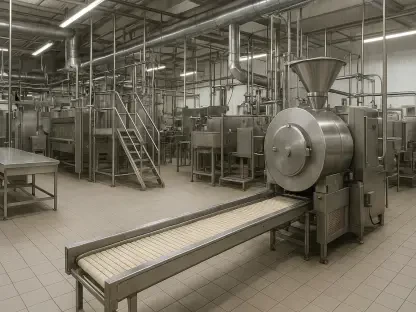
The Derbyshire hub integrates advanced automation and real-time data analytics to manage inventory with surgical precision, reducing the typical spoilage rates associated with large-scale food distribution. Utilizing an internet-of-things framework, the facility monitors everything from soil moisture levels at partner farms to the internal temperature of delivery vehicles, ensuring that every piece of produce arrives at peak quality. This high-tech approach allows for a just-in-time delivery system that prioritizes seasonal availability over long-term storage, which historically required high energy consumption for refrigeration. Furthermore, the installation includes specialized anaerobic digestion units that convert organic waste generated during prep work into renewable energy, powering a portion of the hub’s operations. This closed-loop system demonstrates how industrial catering can transition into a circular economy model, where resources are recovered rather than discarded. By leveraging these specific engineering solutions, the project sets a high standard for operational efficiency.
Beyond the mechanical innovations, the Derbyshire project serves as a significant economic catalyst for the surrounding rural communities by providing high-skilled roles in sustainable agriculture and logistics management. The facility creates a direct market for local farmers, who often struggle with the pricing pressures of global commodity markets, by offering long-term procurement contracts that prioritize quality and environmental standards. This localized procurement strategy not only secures the supply chain but also reinvests capital back into the Derbyshire region, supporting the growth of independent producers and artisan food creators. Educational partnerships with regional colleges ensure a steady pipeline of talent trained in modern food technology and regenerative farming practices, bridging the gap between traditional labor and the digital economy. As the site becomes operational from 2026 to 2028, it will likely serve as a training ground for culinary professionals looking to master low-carbon cooking techniques. This focus on human capital ensures that the hub remains a vibrant part of the community.
Operationalizing Environmental Stewardship: A New Circular Model
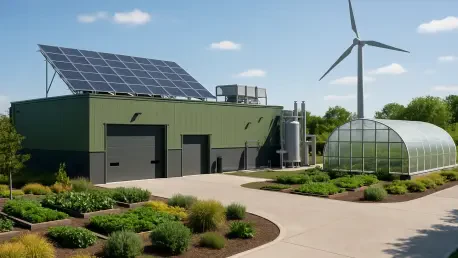
Environmental conservation is woven into the architecture of the Derbyshire site, which features extensive solar arrays and rainwater harvesting systems designed to reduce the facility’s reliance on municipal utilities. The construction phase itself utilizes low-carbon materials, such as cross-laminated timber and recycled aggregates, to minimize the embodied carbon of the building before a single meal is even prepared. Within the operational framework, the logistics fleet is transitioning toward electric and hydrogen-powered heavy goods vehicles, further slashing the emissions associated with rural food delivery. These efforts align with broader international goals to reach net-zero emissions, proving that large-scale catering can indeed function without compromising the health of the planet. Moreover, the hub includes a dedicated biodiversity zone, where local flora and fauna are protected, serving as a buffer between the industrial operations and the natural landscape. This holistic design philosophy acknowledges that industrial progress must coexist with ecological preservation to be truly sustainable.
Implementation of this hub model necessitated a fundamental rethink of how corporate entities engage with regional stakeholders, moving toward a partnership-based approach that valued transparency and mutual growth. Industry leaders discovered that the most effective next step involved the integration of hyper-local logistics networks that bypassed traditional wholesale bottlenecks. Stakeholders across the UK looked to this project as a validation of localized sourcing, suggesting that decentralized food hubs could effectively mitigate the volatility seen in international markets. To ensure long-term viability, operators prioritized the installation of modular kitchen units and mobile processing centers to reach even more remote agricultural zones. These actions empowered regional governments to incentivize similar green infrastructure projects through targeted tax breaks and zoning reforms. By focusing on scalable technology and community integration, the sector established a robust framework for a resilient and decarbonized food future.