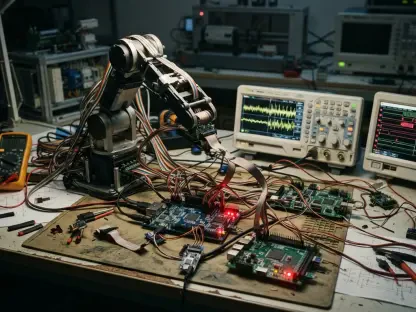

Modern industrial facilities often operate under the crushing weight of volatile supply chains and an increasingly scarce pool of specialized technical labor that threatens to stall growth. As these economic pressures mount, the process manufacturing sector—encompassing chemical production, renewable energy, and high-tech electronics—is turning toward advanced digital manufacturing platforms to maintain a competitive edge. These sophisticated systems act as the vital connective tissue that integrates disparate plant functions into a single, cohesive operational stream. By moving away from isolated, manual decision-making processes, organizations can now harness real-time data to drive precision and agility. This shift is not merely about installing new software; it represents a fundamental change in how physical production is managed. The integration of robotics and high-speed material processing has made traditional management methods obsolete, necessitating a “single pane of glass” view that synthesizes information from personnel, machinery, and logistics to enable dynamic adjustments.
Bridging the Gap Between Planning and Production
Centralized Intelligence: The Role of Digital Manufacturing Platforms
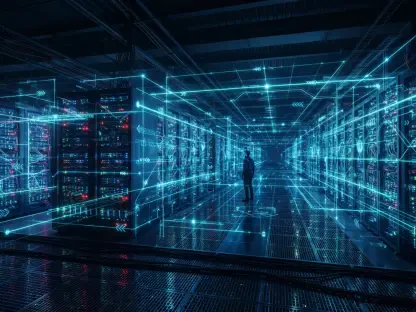
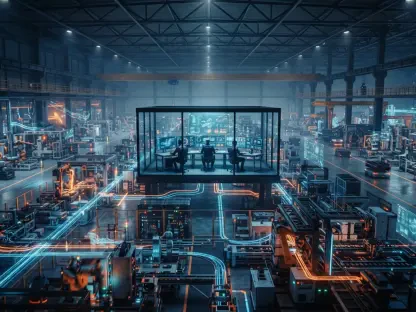
The transition from fragmented operations to centralized intelligence is currently the most significant trend within the industrial landscape as we navigate the complexities of 2026. High-level executives are increasingly prioritizing smart manufacturing investments, with roughly 88% of industry leaders planning to sustain or increase their spending on these technologies over the next several years. This massive commitment to digital transformation underscores the reality that cloud computing and advanced data analytics have become foundational requirements for survival rather than optional luxuries. Digital manufacturing platforms provide the essential oversight needed to synchronize complex production cycles, ensuring that every piece of machinery and every technician works in concert. By centralizing this intelligence, manufacturers can move beyond static decision-making and embrace a model where insights from the factory floor directly inform executive strategy, allowing for rapid pivots when market demands shift suddenly.
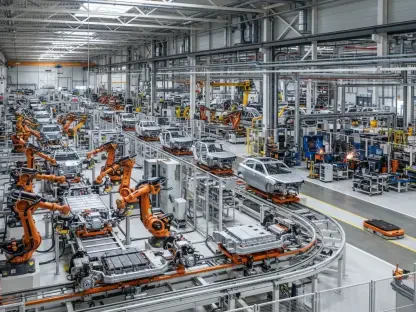
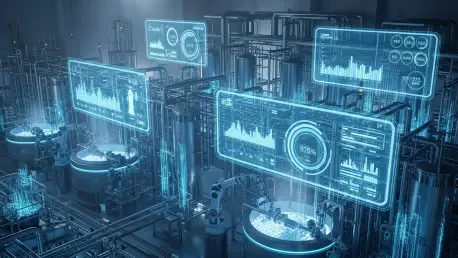
Furthermore, the implementation of a unified digital architecture allows for much more sophisticated handling of complex material processes, particularly in sectors focused on circular economies and sustainable materials. As the chemical and renewable energy industries strive to reduce their environmental footprints, the ability to track and optimize material flow through digital platforms becomes indispensable. These systems provide granular visibility into every stage of the manufacturing process, from raw material intake to final product shipment. This transparency ensures that waste is minimized and that every resource is utilized to its maximum potential. Consequently, the adoption of a Manufacturing Execution System (MES) helps to bridge the gap between business planning and the physical reality of the plant floor. This synergy allows for the precise execution of innovative business plans, ensuring that the theoretical efficiency gains promised by strategic planners are actually realized in the day-to-day operations of the facility.
Economic Volatility: Navigating Labor and Trade Challenges
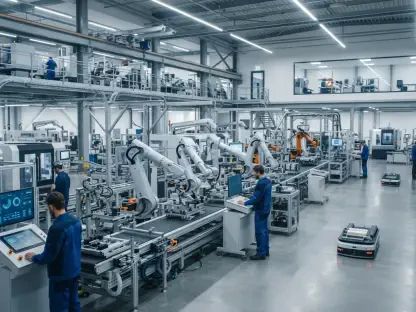
Process manufacturing is currently grappling with a dual crisis of trade uncertainty and a persistent shortage of skilled labor that complicates even the most straightforward production schedules. To combat these hurdles, companies are leveraging purpose-built software to maximize the return on investment for their existing physical assets. When new equipment is difficult to procure or skilled operators are in short supply, the focus shifts toward optimizing what is already available. Digital platforms empower the current workforce by automating routine data collection and providing real-time guidance, which effectively lowers the barrier to entry for less experienced staff while enhancing the productivity of veterans. This strategic application of technology ensures that production lines remain operational and efficient despite external economic fluctuations. By reducing the reliance on manual oversight, manufacturers can maintain consistent quality and output levels even when faced with significant personnel turnover.
Beyond labor considerations, these digital tools serve as a critical buffer against the inherent unpredictability of global trade and material sourcing. In industries like electronics, where component availability can change in an instant, having a real-time digital overview of the entire supply chain is a necessity. Digital platforms enable manufacturers to simulate various “what-if” scenarios, allowing them to prepare for potential disruptions before they manifest on the production line. This proactive approach to risk management is a hallmark of modern industrial resilience. Instead of reacting to a shortage after it occurs, managers can identify alternative pathways and adjust production schedules with a few clicks. This level of adaptability is what separates market leaders from those struggling to keep pace with the rapid changes of the current era. The ability to translate complex data sets into actionable production strategies ensures that the business remains agile and capable of withstanding external shocks.
Accelerated Innovation Through Virtualized Systems
Digital Twins: Reducing Waste and Shortening Timelines
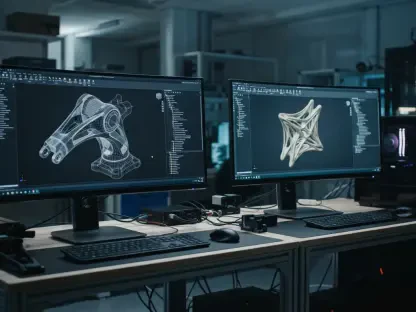
One of the most transformative advancements in the current manufacturing sector is the widespread adoption of virtual simulation tools and digital twins to accelerate product development. Historically, the process of moving from a conceptual design to a market-ready product involved numerous rounds of expensive and time-consuming physical prototyping. However, by using digital twins—highly accurate virtual replicas of physical systems—manufacturers can now test and refine their processes in a purely digital environment. This capability significantly shortens the window between initial development and market availability, providing a distinct advantage in fast-moving sectors like renewable energy and electronics. Engineers can identify potential bottlenecks or equipment failures before a single piece of hardware is ever commissioned. This shift toward virtualization represents a major leap in efficiency, as it allows for the perfection of production workflows without the costs associated with physical trial and error.
In addition to saving time, the use of virtual simulations promotes a more sustainable approach to industrial production by drastically reducing raw material waste during pilot phases. In the chemical and material processing industries, early-stage testing often involves the consumption of significant resources, much of which ends up as scrap if the initial process design is flawed. Digital platforms allow these tests to be conducted virtually, ensuring that physical resources are only deployed once the process has been optimized for maximum yield and minimum environmental impact. This focus on sustainability is not just an ethical choice but a strategic one, as it aligns with increasingly stringent global regulations and consumer expectations. By leveraging digital manufacturing platforms to refine their methods, organizations can achieve their production targets while maintaining a much smaller physical footprint. This methodology has become a standard practice for firms looking to integrate environmental responsibility with operational excellence.
Strategic Resilience: Actionable Insights for the Industrial Sector
The transition toward digital manufacturing platforms provided a clear roadmap for organizations that sought to remain resilient amidst the complexities of the current industrial age. Leaders who successfully implemented these systems focused on creating a unified data environment that broke down the silos between different departments. This integration allowed for the seamless flow of information, which in turn fostered a culture of continuous improvement and rapid adaptation. The primary takeaway from this shift was that flexibility is the ultimate outcome of a successful digital transformation. By prioritizing the connection between planning and execution, manufacturers moved away from rigid, legacy structures and embraced a more fluid way of operating. This change enabled them to respond to market shifts with unprecedented speed, ensuring that their production capabilities remained aligned with their long-term business goals.
Looking back at the recent progress in the sector, it became evident that the true power of digital platforms lay in their ability to turn raw data into strategic foresight. Companies that invested in these tools found themselves better equipped to handle labor shortages and supply chain disruptions than those that remained reliant on manual processes. The path forward for the industry involved a deeper commitment to integrating virtual simulation and real-time analytics into every facet of the operation. This approach not only improved internal efficiency but also enhanced the ability to innovate at scale. Ultimately, the successful deployment of these technologies proved that the future of manufacturing would be defined by the capacity to translate digital insights into physical results. The lessons learned during this period established a new standard for excellence, where the synergy between human expertise and digital intelligence served as the cornerstone of industrial success.