
The global aviation industry stands at a critical crossroads where the demand for long-range connectivity must be balanced against increasingly stringent environmental regulations and the economic necessity of reduced fuel consumption. For over twenty years, the Boeing 777-300ER served as the undisputed workhorse of the world’s major airlines, bridging continents with a reliability and capacity that redefined the long-haul experience for millions of passengers. However, as the final units of this airframe roll off the production line, the focus has shifted entirely toward the 777X program, a move that signals a profound transformation in aerospace engineering. This transition reflects a broader trend where incremental improvements are no longer sufficient; instead, radical innovations in materials are required to sustain the viability of transcontinental travel. By retiring the current generation, the manufacturer is betting on a future where the 777-9 and 777-8 will dominate the skies through superior aerodynamics and fuel economy.
Evolution: The Shift to Modern Widebody Aircraft
Legacy: Engineering a Global Standard
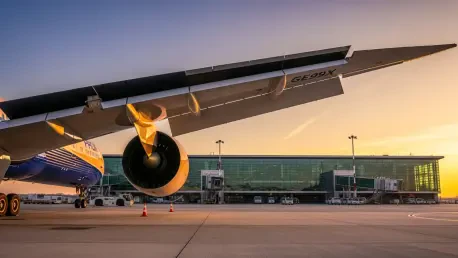
The success of the 777-300ER was built on a foundation of twin-engine efficiency that effectively ended the reign of four-engine giants like the Boeing 747 and the Airbus A340. By offering a range of over 7,300 nautical miles and a capacity exceeding 350 passengers, it provided airlines with the ideal balance of payload and performance. The reliability of the GE90-115B engines allowed carriers to operate long-range flights with unprecedented confidence, leading to the widespread adoption of ETOPS standards. This reliability was the catalyst for the expansion of hub-and-spoke networks across the Middle East and Asia, as carriers linked distant city pairs profitably. As production concludes, the legacy of this airframe remains visible in every major airport, having set a benchmark for operational availability that the next generation of aircraft must now strive to surpass in an even more demanding era of global logistics. This shift marks a permanent change in how airlines evaluate the longevity of their long-haul fleet assets.
Innovation: Transitioning to New Material Science
One of the primary drivers behind the move away from the classic 777-300ER is the limitation of traditional aluminum alloy structures in achieving the weight savings required for modern flight. The newer 777X series utilizes advanced carbon-fiber-reinforced polymer wings that offer a much higher aspect ratio, significantly reducing drag. This leap in material science allows for a wider wingspan that would normally be too large for standard airport gates, a problem solved by the innovative folding wingtip mechanism. While the -300ER was a triumph of metalwork, the 777X represents a pivot toward composite integration that has been refined over years of commercial service. These wings are aerodynamically optimized to a degree that was previously impossible, allowing the aircraft to maintain high cruise speeds while consuming significantly less fuel per seat. This structural evolution is the cornerstone of the strategy to maintain market leadership in the competitive large widebody segment for years to come.
Operations: Advancing Efficiency in the Next Era
Propulsion: The GE9X and System Integration
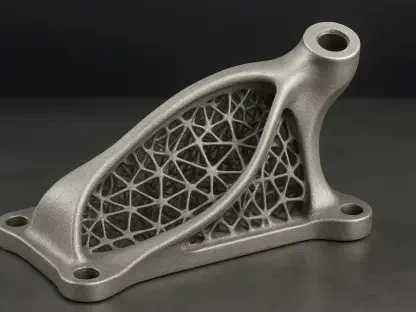
Central to the phase-out of the older model is the arrival of the GE9X engine, which stands as the most fuel-efficient powerplant in its class, specifically designed for the 777X family. This engine incorporates 3D-printed parts and ceramic matrix composites that can withstand higher temperatures than traditional alloys, resulting in a 10% improvement in fuel burn. The integration of such high-bypass turbofans requires a larger nacelle diameter, which necessitated the total redesign of the wing-to-engine interface. Beyond the engines, the shift introduces a cabin environment with lower cabin altitude and higher humidity levels to reduce fatigue, a feature that was limited on the 777-300ER. Larger windows and redesigned overhead bins further enhance the sense of space, making the transition a significant upgrade for the customer-facing side of operations. This technological leap makes the older -300ER less attractive to airlines under pressure to reduce their environmental impact in a volatile and increasingly regulated global economy.
Implementation: Strategic Fleet Modernization Steps
The decision to end production of the 777-300ER signaled the completion of a strategic pivot toward a future defined by the 777X. Airlines were encouraged to accelerate their fleet retirement schedules to capitalize on the lower operating costs of the new composite-wing models. Industry leaders emphasized that the successful deployment of the 777-9 required a rethinking of ground operations, particularly regarding the maintenance of folding wingtip actuators and the servicing of massive high-bypass engines. Regulatory bodies and airport authorities collaborated to ensure that infrastructure was ready for the wider footprint of the next generation. Moving forward, the focus shifted to optimizing flight paths and utilizing sustainable aviation fuels to maximize efficiency gains provided by the 777X’s advanced aerodynamics. Carriers that acted early to secure delivery slots found themselves better positioned to navigate the economic shifts of the late 2020s. This transition ultimately provided a blueprint for replacing legacy airframes.