
The rapid evolution of the Chinese chemical market has necessitated a radical shift from traditional export-led models to deeply integrated, localized production ecosystems that prioritize speed and customer proximity. Clariant has recognized that maintaining a competitive edge in the world’s largest chemical market requires more than just a physical presence; it demands a comprehensive reconfiguration of manufacturing assets to align with local demand. By transitioning from a model of importing specialty chemicals to one of indigenous production, the organization has effectively mitigated the risks associated with volatile logistics and shifting geopolitical landscapes.
This shift is not merely about physical infrastructure but represents a fundamental change in how value is delivered to local partners. The “China for China” strategy has moved beyond a corporate slogan to become a functional blueprint that dictates everything from raw material sourcing to the final distribution of high-performance additives. As industrial sectors within China pivot toward higher quality and lower carbon outputs, Clariant’s localized manufacturing approach ensures that specialized solutions are developed and delivered with unprecedented speed and efficiency. This strategic alignment allows the company to capture growth in segments like electric vehicles and sustainable packaging.
Strengthening Local Manufacturing Footprint
Strategic Expansion: High-Performance Facilities in Huizhou
The centerpiece of recent optimization efforts involves the massive expansion of production capacity in key industrial zones like the Dayawan Chemical Industrial Park in Huizhou. This facility has been specifically engineered to produce halogen-free flame retardants, catering to the booming electric vehicle and electronics sectors that require high-safety components. By locating production within this strategic hub, the company has managed to shorten supply lines significantly, allowing for a more responsive interaction with local manufacturers who operate on tight production schedules.
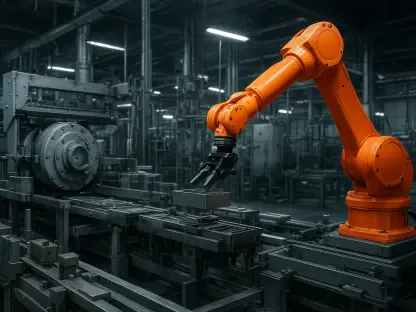
The integration of advanced automation at this site has also permitted a level of precision in chemical formulation that was previously difficult to achieve in older facilities. This specific investment reflects a broader trend of concentrating high-tech manufacturing in specialized clusters to leverage shared infrastructure and a skilled workforce. Furthermore, the capacity to scale production quickly at the Dayawan site provides a buffer against sudden market surges, ensuring that the supply of critical additives remains stable even during periods of high demand for sustainable materials.
Operational Excellence: Enhancement of Regional Production Networks
Another critical component of the production optimization strategy is the enhancement of the Cangzhou facility, which focuses on the production of additives for plastics and coatings. This site has undergone significant upgrades to include state-of-the-art production lines for light stabilizers and antioxidants, which are essential for the longevity of consumer goods and industrial materials. The optimization here is not just about volume but about the variety of products that can be manufactured simultaneously through flexible modular production systems.
These systems allow the company to switch between different chemical formulations with minimal downtime, a necessity when serving a diverse customer base with varying technical requirements. By utilizing locally sourced intermediate chemicals, the Cangzhou plant reduces the environmental impact associated with long-distance transportation of hazardous materials. This localization of the supply chain also provides a hedge against currency fluctuations and international trade barriers, securing a position as a reliable domestic partner for Chinese enterprises seeking consistent specialty chemical supplies.
Advancing Sustainability and Digital Integration
Implementation: Green Chemistry Protocols and Research
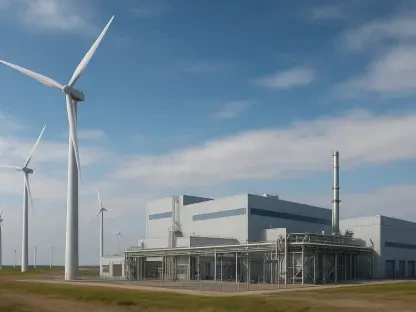
Sustainability has become a non-negotiable requirement for chemical production in China, prompting the integration of green chemistry principles into the core operational framework. The company has prioritized the reduction of its carbon footprint by transitioning many of its local operations to renewable energy sources and implementing advanced waste-recovery systems. At the OneClariant Campus in Shanghai, researchers are actively developing new catalysts that enable chemical reactions at lower temperatures, thereby significantly reducing the energy intensity of manufacturing.
These innovations are then scaled up and applied across various production sites in the country, creating a feedback loop between R&D and industrial application. By focusing on the full lifecycle of its products, the organization ensures that the specialty chemicals produced are not only effective but also compliant with increasingly stringent environmental standards. This proactive approach to sustainability helps local clients meet their own environmental targets, fostering a collaborative ecosystem where green innovation becomes a primary competitive advantage for all parties.
Transformation: Digitalization of Industrial Supply Chains
Digital transformation plays an equally vital role in optimizing production by providing real-time data analytics that drive operational efficiency and predictive maintenance. The deployment of sophisticated digital twins for manufacturing processes allows engineers to simulate different production scenarios and identify potential bottlenecks before they occur in the physical plant. This data-driven approach has led to a significant reduction in energy consumption and raw material waste, as processes are constantly fine-tuned for optimal performance.
Sensors and Internet of Things devices have been integrated into production lines to monitor equipment health, ensuring that maintenance is performed only when necessary, thus preventing unplanned outages. Furthermore, the use of blockchain technology in the supply chain has enhanced transparency, allowing customers to trace the origin of their materials and verify sustainability claims. This level of digital integration is essential for managing the complexity of modern chemical manufacturing, where precision and reliability are paramount for maintaining long-term leadership in a digital-first economy.
Strategic Pathways: Future Industrial Resilience
The pursuit of operational excellence in the Chinese market required a multi-faceted approach that blended physical infrastructure with advanced digital and sustainable practices. Stakeholders recognized that long-term success depended on the ability to innovate locally while maintaining global quality standards throughout the entire production lifecycle. It became clear that the integration of localized R&D with state-of-the-art manufacturing facilities allowed for a faster response to specific market needs, such as the demand for bio-based chemicals and high-efficiency catalysts.
Moving forward, industrial leaders should consider deeper collaborations with local academic institutions to foster a steady pipeline of talent and innovation. Investors and partners must also prioritize the adoption of circular economy models to ensure that growth remains decoupled from environmental degradation. The transition toward a more autonomous and digitally integrated production model provided a roadmap for navigating the complexities of the global chemical industry. Continued investment in carbon-neutral technologies and smart manufacturing will remain the cornerstone of any strategy aimed at maintaining a leadership position.