
The relentless pressure of global market volatility and the escalating demands for ecological accountability have forced consumer goods giants to fundamentally rethink how products move from raw materials to household shelves. The traditional linear model of supply chain management is rapidly becoming obsolete as digitalization and environmental stewardship take center stage in the corporate agenda. Unilever is at the forefront of this shift, constructing a future-fit supply chain that prioritizes agility, resilience, and sustainability over mere cost reduction. By integrating advanced artificial intelligence and machine learning into its core operations, the organization is moving toward a self-correcting ecosystem capable of anticipating disruptions before they manifest physically. This transformation is not about minor software updates but represents an overhaul of organizational culture. Success now depends on the ability to harmonize data streams with physical assets effectively across all global markets.
Digital Intelligence and Sustainable Strategy: The Path to Operational Excellence
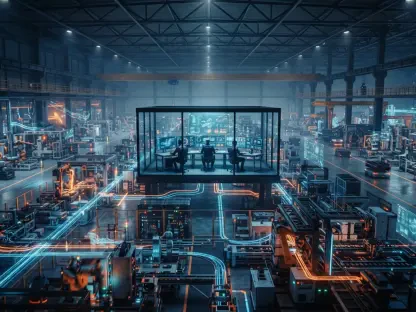
The deployment of high-fidelity digital twins has revolutionized the way operational risks are assessed and mitigated within the global manufacturing network. By creating a virtual replica of the entire physical supply chain, technicians can simulate millions of scenarios ranging from sudden port closures to extreme weather events, allowing for pre-emptive strategic shifts. This capability ensures that decision-making is no longer reactive but is instead guided by predictive insights that identify optimal shipping routes and inventory levels in real time. Advanced algorithms now manage complex variables across thousands of product lines, ensuring that production schedules are synchronized perfectly with shifting consumer demand patterns. As a result, the enterprise can reduce waste by preventing overproduction while simultaneously improving service levels for retailers. This technological integration forms a robust defense against the unpredictability of the global economy and local markets.
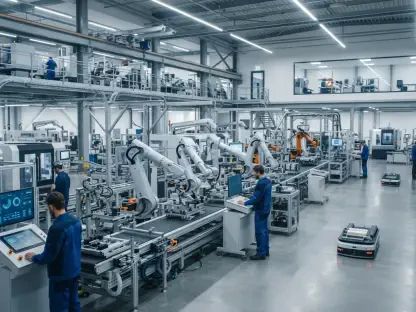
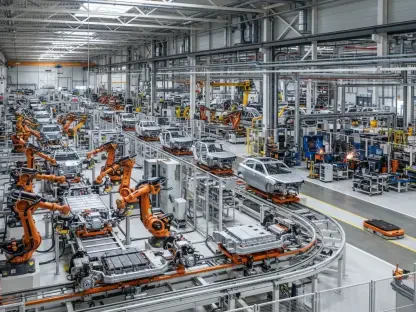
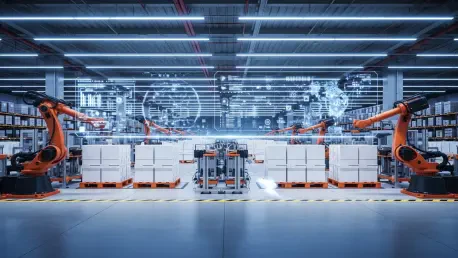
Beyond simulation, the use of robotic process automation and autonomous vehicles in distribution centers has significantly increased throughput while reducing human error in high-speed environments. These automated systems are designed to work alongside human operators, handling repetitive tasks such as sorting and palletizing with a precision that was previously unattainable. The integration of the Internet of Things sensors throughout the logistics network provides a continuous stream of telemetry data, tracking temperature and humidity for sensitive products like ice cream and beauty supplies. This granular level of monitoring ensures that quality standards are maintained from the factory floor to the final point of sale, protecting brand reputation and consumer trust. Furthermore, this connectivity allows for dynamic rerouting of shipments, where AI-driven platforms adjust logistics plans if a delay is detected in any specific node, creating a highly responsive infrastructure.
To ensure long-term viability, industry leaders shifted their focus from short-term cost savings toward the creation of a circular economy that minimized resource depletion. The adoption of localized “nano-factories” was a critical step in reducing the carbon footprint associated with long-distance shipping, as it allowed for production to occur closer to the end consumer. By utilizing modular manufacturing units, the organization successfully demonstrated that agility could be achieved without sacrificing the economies of scale typically associated with centralized hubs. Strategic investments were made in green hydrogen and electric freight fleets, significantly lowering the emissions profile of mid-mile logistics operations. These developments highlighted the necessity of cross-industry collaboration, as no single company could overhaul global energy infrastructures alone. Future strategies relied on scaling these localized solutions and deepening supplier integration to maintain a truly resilient and ethical global network.