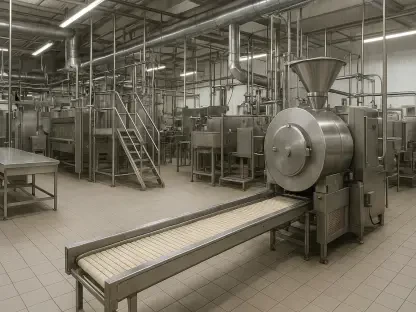

The current state of luxury skincare and fragrance production is defined by a network of high-tech hubs that prioritize precision over traditional assembly methods. The United Kingdom has emerged as a central node in this global supply chain, housing facilities that serve as the primary manufacturing artery for prestige brands. These sites have successfully shifted from manual processes to integrated digital ecosystems, allowing for the rapid scaling of high-end products without compromising the delicate artistry that consumers expect from luxury labels.
Maintaining the rigorous quality standards of prestige beauty requires a careful balance between industrial-scale output and meticulous attention to detail. Manufacturing plants now function as technological laboratories where every motion is measured and every formulation is monitored by advanced sensors. This evolution ensures that the global market receives a consistent flow of premium goods, reinforcing the significance of centralized, tech-driven production centers in maintaining brand reputation and consumer trust.
Technological Catalysts and Market Projections for Automated Beauty
Digital Frontiers: AI and Collaborative Robotics Reshaping the Factory Floor
Human-centric automation defines the modern production line, where collaborative robots, known as cobots, work alongside the human workforce to alleviate physically demanding tasks. These machines handle repetitive movements and heavy lifting, allowing technicians to focus on high-level oversight and quality control. This synergy between human intuition and mechanical precision has created a more resilient and efficient manufacturing environment that can adapt to changing production needs in real time.
AI-driven anomaly detection has become an essential tool for maintaining operational integrity by identifying potential issues before they escalate into costly errors. These systems utilize vision-based inspection to verify packaging integrity and volume accuracy for every unit produced. Furthermore, AI-enhanced formulation analysis allows for faster research and development cycles by predicting how various ingredients will interact and remain stable over time, accelerating the journey from the laboratory to the retail shelf.
Market Growth and the Economic Impact of Manufacturing Digitalization
Financial investments in advanced manufacturing have reached significant levels, with recent strategies allocating over $72 million toward digitalization and automation infrastructure. These funds support 24-hour production cycles that are capable of generating an annual output of 90 million units. By maximizing the use of space and time through automated systems, companies can meet the rising global demand for luxury goods while maintaining a lean and efficient operational footprint.
The economic benefits of this digital transformation are evident in the reduction of friction across the supply chain. Agile production models allow for rapid shifts in manufacturing priorities based on real-time market data, ensuring that popular items remain in stock. Minimizing production errors through AI-led monitoring significantly lowers waste and overhead costs, providing a competitive edge in a marketplace where efficiency and prestige must coexist.
Navigating the Complexities of High-Precision Automation
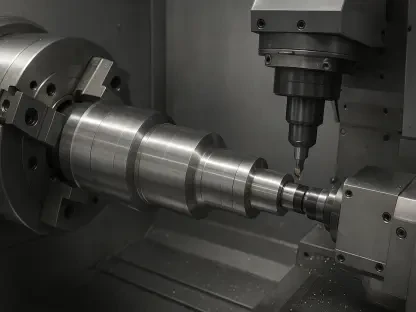
Maintaining artisanal quality within a fully automated environment presents a unique challenge for prestige brands. Automation must be calibrated to handle delicate materials and complex packaging designs that define the luxury experience. To address this, manufacturers use high-precision sensors that mimic the sensitivity of the human hand, ensuring that even the most intricate fragrance bottles or skincare jars are handled with care throughout the assembly process.
Global supply chain volatility is managed through predictive AI alerts that allow manufacturers to respond to disruptions before they impact production. These systems analyze vast amounts of data to forecast potential delays in raw material delivery or logistical challenges. By having a responsive manufacturing framework, facilities can adjust their schedules and inventories, maintaining a steady output even when faced with external market pressures or resource shortages.
Standards, Sustainability, and Regulatory Compliance in Modern Production
Adhering to international safety and quality standards is a non-negotiable aspect of high-end skincare and fragrance production. Modern facilities implement rigorous testing protocols to ensure every batch meets both regulatory requirements and brand-specific benchmarks. Digital tracking systems provide a transparent record of every production step, allowing for full traceability and accountability from the sourcing of raw materials to the final packaging stage.
Sustainability has become a core pillar of modern manufacturing, with leading facilities transitioning to 100 percent renewable power. On-site solar generation often provides a significant portion of the energy needed to run high-capacity lines, reducing the overall carbon footprint of the production process. Additionally, companies are increasingly focused on social responsibility by promoting STEM outreach and fostering gender diversity within technical roles to build a more inclusive and skilled workforce.
The Future Blueprint for Responsive Luxury Manufacturing
The next phase of luxury manufacturing will focus on total end-to-end connectivity, linking the factory floor directly with global logistics and consumer feedback loops. This integration allows for a more personalized approach to production, where manufacturing cycles can be fine-tuned to meet specific regional preferences or limited-edition demands. Technology will continue to serve as a bridge between the digital world and the physical product, enhancing the transparency of the entire lifecycle.
Consumer preferences are steadily moving toward ethically produced and sustainable goods, making manufacturing innovation a vital survival mechanism. Brands that can demonstrate a commitment to green energy and responsible production while maintaining high quality will find the greatest success in the coming years. This shift requires a continuous investment in disruptive technologies that can handle the increasing complexity of luxury portfolios while upholding the highest environmental standards.
Synthesis of Progress and Strategic Outlook for Estée Lauder
The transformation of manufacturing centers into global benchmarks for beauty technology highlighted the potential of a unified digital strategy. These advancements demonstrated that heritage brands could successfully modernize their operations without losing the essence of their luxury identity. Strategic leaders recognized that the value of the human workforce was amplified, rather than diminished, by the introduction of intelligent machines.
The transition toward AI-integrated manufacturing models provided a durable solution for scaling operations in a volatile global economy. Operational teams identified that real-time data analysis was the most effective way to maintain consistent quality across diverse product lines. Ultimately, the industry moved to adopt decentralized manufacturing strategies to further enhance responsiveness to local markets. These initiatives solidified a future where sustainability and technological precision remained the primary metrics of success for the luxury beauty sector.