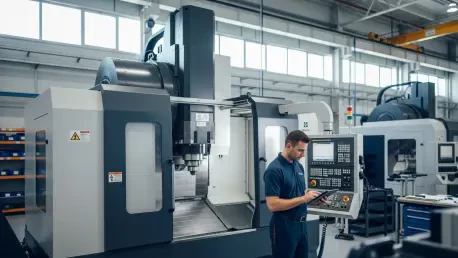

The unexpected cessation of primary manufacturing operations at JAR Engineering during a high-stakes production cycle highlighted the precarious nature of relying on legacy CNC machinery without a comprehensive emergency response strategy. When the heavy-duty milling unit, a centerpiece of their machining floor for nearly a decade, suddenly seized during a complex aerospace component run, the facility faced an immediate threat to its delivery schedule and client reputation. This specific machine, while older, possesses a rigid cast-iron frame and torque characteristics that modern, lightweight alternatives often struggle to replicate without significant capital investment. The dilemma for the engineering team was stark: either commit to a costly and time-consuming procurement process for a new system or find a specialized service provider capable of diagnosing and rectifying a failure in a system that most general technicians deemed obsolete. This situation underscored the critical importance of maintaining deep technical knowledge within the industrial sector to preserve the functionality of vital assets.
Overcoming the Technical Impasse
Phase 1: Identifying the Subsystem Failure
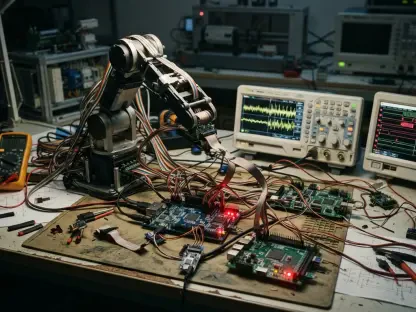
The diagnostic phase of the recovery effort required an exhaustive examination of the machine’s intricate electronic and mechanical interfaces to determine why the spindle drive had stopped responding to commands. Initial assessments pointed toward a catastrophic failure of the main control board, but a deeper investigation by specialized repair technicians revealed that the issue was actually localized within the power supply regulation module. High-precision manufacturing environments often subject hardware to thermal stress and electrical fluctuations that can degrade capacitors and soldered joints over several years of continuous operation. By isolating the fault to a specific group of components rather than the entire control unit, the repair team was able to avoid the prohibitive costs associated with a full system overhaul or board replacement. This level of granular troubleshooting is increasingly rare in an industry that frequently favors modular swapping over detailed repair, yet it remains the most effective way to manage the life cycle of legacy manufacturing equipment.
Phase 2: Sourcing Obsolete Hardware and Calibration
Once the technical root cause was identified, the primary challenge shifted toward the procurement of high-specification replacement parts that are no longer actively manufactured in the current market. The technicians leveraged a global network of specialized suppliers and secondary markets to locate a refurbished power regulation module that met the original equipment manufacturer’s rigorous tolerances. Upon receiving the necessary components, the installation process required meticulous care to ensure that the integration did not introduce new vulnerabilities into the aging electrical architecture. Following the hardware installation, the machine underwent a series of comprehensive calibration tests to verify that the spindle’s rotational accuracy and thermal stability were restored to their peak operational levels. This rigorous approach to restoration not only brought the CNC machine back online but also ensured that its performance would remain consistent with the high standards required for aerospace tolerances. Success in this area demonstrated that specialized mechanical expertise can effectively bridge the gap between old hardware and modern quality demands.
Strategic Asset Management and Future Reliability
Financial Benefits of Targeted Equipment Life Extension
Choosing to repair rather than replace the legacy milling unit provided JAR Engineering with a significant financial advantage, allowing the company to reallocate capital that would have otherwise been spent on a new machine. The total cost of the expert repair, including specialized labor and sourced components, represented only a small fraction of the six-figure investment required for a modern equivalent with comparable rigidity and power. Furthermore, keeping the existing machine avoided the hidden costs of productivity loss associated with retraining operators on a new interface and reconfiguring established workflows and tooling setups. By extending the operational life of a proven asset, the facility maintained its competitive edge without incurring the debt or depreciation hits often linked to rapid equipment turnover. This decision reflected a sophisticated understanding of total cost of ownership, recognizing that the inherent value of a machine lies in its output quality and reliability rather than its age. The successful intervention served as a template for other manufacturers looking to optimize their balance sheets while maintaining high production standards.
Strategic Integration of Advanced Monitoring Systems
The restoration project at JAR Engineering demonstrated that technical failures could be transformed into opportunities for long-term operational improvement through the application of focused expertise. Following the successful repair, the facility leadership prioritized the installation of modern sensor arrays to monitor vibration, heat, and electrical draws on all legacy equipment. These new digital tools provided the maintenance department with real-time data, allowing them to detect subtle performance shifts before they escalated into critical system shutdowns. Operators were trained to interpret these data streams, fostering a culture of proactive care that moved beyond the traditional reactive repair model. This shift toward a predictive maintenance framework proved to be the most effective way to secure the manufacturing floor against future interruptions. Looking forward, the organization established a clear protocol for regular diagnostic audits and the stockpiling of critical, hard-to-find components to further mitigate risks. By embracing a hybrid approach of traditional mechanical repair and modern data analytics, the company ensured that its most reliable machines remained productive for years to come.