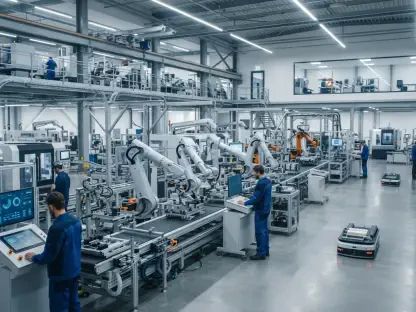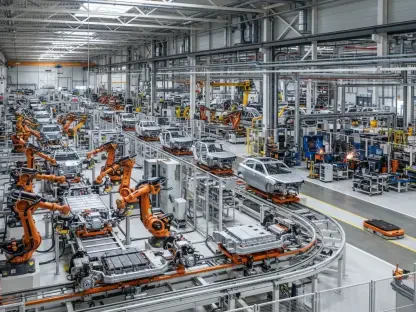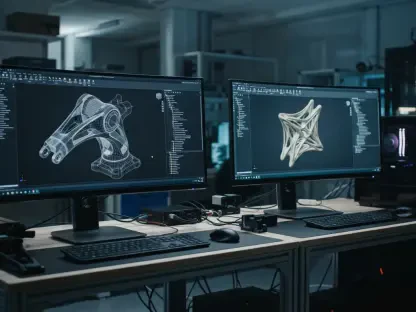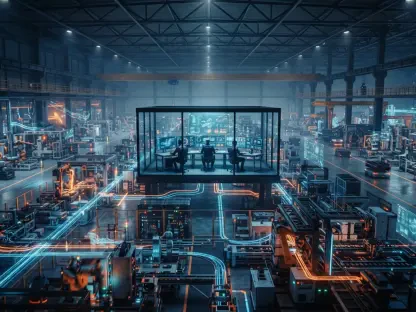

As machines take over repetitive monitoring tasks, the human role on the factory floor is evolving into one of high-level analysis and strategic decision-making. The contemporary industrial landscape is undergoing a radical shift, moving away from simple automation toward complex autonomous systems that function as 24/7 ecosystems designed to maximize throughput while minimizing waste. Modern manufacturing environments are no longer confined by the limitations of traditional business hours or the fatigue of manual labor. The primary goal of this evolution is to move beyond rigid, pre-programmed instructions and toward real-time self-governance. By enabling machines to observe, decide, and act independently, manufacturers can achieve a level of production stability and quality that was previously impossible to maintain. This transition from manual oversight to machine autonomy represents a strategic overhaul affecting every layer of the production process today. High-level data integration ensures every component meets exact specs.
Enhancing Precision Through Hardware and Self-Correction
Achieving Component-Level Accuracy
Quality in a factory setting is fundamentally a product of physical precision, where every robotic movement must operate within microscopic tolerances to ensure the final output is flawless. Autonomous systems stabilize these movements by using sophisticated control loops that monitor deviations at the very source of the mechanical action. Unlike traditional setups where a minor drift in torque or speed might go unnoticed until it produces a significant batch of scrap, autonomous controllers identify these issues instantly. This ensuring that the physical execution of a command is always as reliable as the digital logic guiding it represents a shift in how we approach structural integrity. When a machine can perceive its own misalignment, it fundamentally changes the nature of the manufacturing cycle.
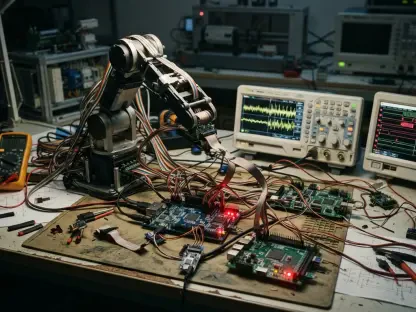
The hardware supporting this motion is just as critical as the software governing it, requiring high-performance components to meet these rigorous standards. For instance, the use of precision DC geared motors ensures that the physical execution of a movement is consistent over millions of cycles. When these dependable mechanical components are integrated with closed-loop feedback systems, the machine gains a form of sensory awareness. Sensors tracking vibration, current draw, and positioning return data to the controller instantly, allowing for micro-adjustments that prevent mechanical fatigue. This synergy between robust hardware and intelligent software creates a foundation where precision is not just a goal but an inherent characteristic of the system, reducing the likelihood of errors that stem from mechanical instability.
Implementing Real-Time Feedback Loops
The integration of advanced sensors gives machines the ability to react to their environment in ways that were previously reserved for human operators. By tracking vibration and positioning in real-time, the system can correct itself mid-cycle without pausing the entire production line. This self-correcting behavior is the primary differentiator between a standard automated cell and a truly autonomous one. By maintaining constant vigilance over their own mechanical state, these systems prevent the small errors that eventually lead to significant quality defects and lost revenue. This active monitoring ensures that the machine remains within its optimal operating window, even as external conditions like temperature or humidity fluctuate throughout the day.
Furthermore, the data generated by these feedback loops provides a transparent view into the health of the production process. Instead of waiting for a quality audit at the end of a shift, engineers can see the performance of each individual component as it is being manufactured. This immediate visibility allows for a more agile approach to quality control, where problems are solved before they can propagate through the supply chain. The autonomous loop effectively closes the gap between detection and correction, creating a seamless flow where quality is baked into the process rather than inspected after the fact. This reduction in the delay between error and fix is a cornerstone of modern efficiency, allowing for a more streamlined and reliable manufacturing operation that consistently meets high standards.
Reducing Defects Through Continuous Calibration
Combatting Specification Drift
A persistent challenge in high-volume manufacturing is specification drift, where mechanical wear and environmental factors cause machines to deviate from their ideal settings over time. Historically, fixing this required scheduled shutdowns and manual recalibration, which interrupted the production flow and introduced human error into the adjustment process. Autonomous systems eliminate this gap by performing continuous self-calibration throughout their operation. By comparing actual output against digital twins or target values in real-time, the equipment makes micro-adjustments to stay within the desired range. This means that the first part of a shift is as precise as the last part, regardless of the wear on the tools.
This constant adjustment cycle ensures that the production line remains optimized without the need for periodic intervention from maintenance teams. By utilizing sophisticated algorithms to predict when a machine might move out of tolerance, the system can adjust itself before the deviation becomes a defect. This proactive approach to mechanical management drastically reduces the volume of scrap produced and ensures a higher yield of premium-grade products. The ability to maintain peak performance without human oversight allows for a more predictable manufacturing schedule and a significant reduction in the costs associated with rework and material waste, ultimately strengthening the bottom line of the facility.
Proactive Tool and Load Management
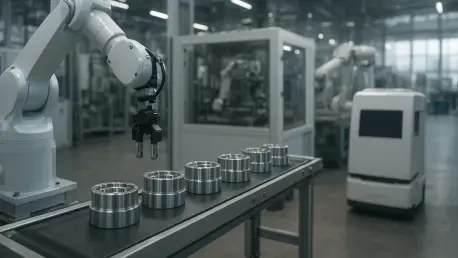
These systems excel at monitoring specific mechanical stresses, such as spindle load in grinding stations, to detect tool wear before it impacts the final product finish. When wear is detected, the system automatically adjusts parameters like feed rates to maintain a consistent surface finish and prevent the tool from failing prematurely. This proactive stance ensures that fewer parts hover at the edge of acceptable tolerances, which significantly reduces the need for downstream rework. By keeping production within a narrow window of perfection, autonomous systems save a massive amount of factory resources and ensure that every item meets the rigorous quality demands of the modern global market.
Moreover, the intelligent management of tool life extends the longevity of expensive equipment and reduces the frequency of replacement parts needed. By operating within optimized load parameters, the system minimizes the stress on mechanical components, leading to a more sustainable production cycle. This not only improves the quality of the immediate output but also ensures the long-term reliability of the entire manufacturing line. The result is a more resilient operation that can handle high-priority runs with confidence, knowing that the autonomous systems are actively protecting the equipment while simultaneously maximizing the quality and consistency of the manufactured goods across every single shift.
Optimizing OEE and Workforce Resilience
Boosting Availability and Performance
Overall Equipment Effectiveness is built upon availability, and autonomous systems enhance this by addressing the root causes of unplanned downtime. Through predictive maintenance, machines analyze their own health by tracking temperature trends and bearing signatures over time. This allows the system to flag potential failures weeks in advance, enabling maintenance teams to schedule repairs during planned windows like shift changes. This foresight prevents catastrophic failures during high-priority runs, ensuring the plant remains operational when it matters most and avoiding the steep costs associated with emergency repairs and lost production time during peak hours.
Performance is further optimized because autonomous systems can push the limits of speed while monitoring the consequences in real-time. While traditional machines are often slowed down to prevent wear or errors, an autonomous system understands its own vibration and thermal limits. If the data suggests the environment is stable, the system can maintain peak velocity, maximizing throughput without risking the integrity of the product. This creates a multiplicative effect on efficiency, where the machine is both more available and more productive when it is running. The combination of these factors leads to a significantly higher OEE score, reflecting a manufacturing process that is truly optimized for the modern age.
Strategic Deployment and Personnel Roles
The rise of autonomous systems does not remove humans from the factory floor; instead, it elevates their roles to a higher level of strategic importance. As machines handle repetitive monitoring and basic adjustments, the workforce must pivot toward complex data analysis and long-term planning. The modern shop floor requires staff who possess a blend of mechanical fluency and programming skills to fine-tune the algorithms governing machine behavior. This transition ensures that the human element remains the ultimate supervisor of the autonomous loop, aligning machine goals with broader business objectives and driving innovation across the entire organization through specialized technical expertise.
Implementing this technology requires a structured approach to ensure a high return on investment and a smooth transition for the existing workforce. Strategic implementation often begins with bottleneck processes where variability causes the most financial damage to the company. Manufacturers can choose to retrofit older equipment with autonomous control layers or validate logic in a single pilot cell before a full-scale rollout across the facility. Most facilities see measurable improvements in quality within months, proving that while the initial investment is significant, the long-term stabilization of production cycles makes autonomy a competitive necessity in the global industrial landscape.
Establishing Long-Term Industrial Resilience
The transition toward autonomous manufacturing necessitated a fundamental reimagining of how quality was perceived and maintained on the factory floor. Successful organizations shifted their focus from reactive troubleshooting to the implementation of proactive, self-healing architectures that prioritized data integrity and mechanical precision. To remain competitive, leaders moved to audit their existing infrastructure, identifying high-impact bottlenecks where variability caused the most significant financial losses. By retrofitting legacy hardware with modern autonomous control layers and validating logic in controlled pilot environments, they secured a path to measurable ROI. The integration of edge computing ensured that core autonomous logic remained robust, even in the face of connectivity challenges. Ultimately, the adoption of these systems transformed production into a self-improving cycle where every shift became more efficient than the last. These steps allowed manufacturers to navigate the complexities of modern demand while maintaining a level of excellence that defined the new industrial standard. Consistent monitoring and adaptive control proved to be the most effective tools for long-term survival and growth in the marketplace.