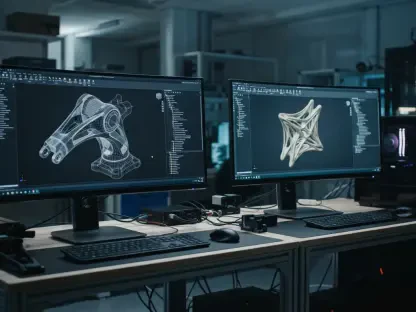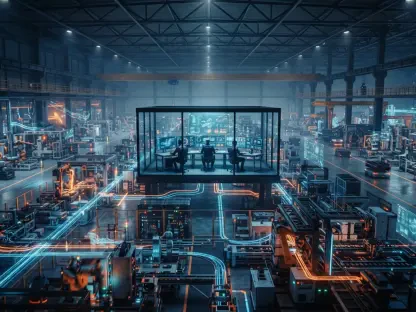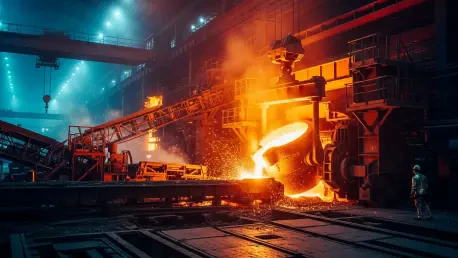

The traditional blast furnace, once a symbol of brute industrial force and manual labor, has undergone a radical transformation into a data-driven ecosystem where silicon chips now dictate the movement of molten metal. As global demand for high-strength, lightweight alloys continues to surge through 2028, the steel industry has reached a pivotal juncture where traditional experience-based methods are no longer sufficient to maintain a competitive edge. This shift is driven by the necessity to balance extreme heat and chemical precision with the increasingly urgent requirement for environmental sustainability. Machine learning algorithms now process millions of data points every second, capturing variables that human operators might overlook, such as subtle shifts in raw material moisture or minute fluctuations in gas pressure. By integrating these advanced computational layers, manufacturers are effectively bridging the gap between historical metallurgy and the digital frontier.
Precision Metallurgy: The Power of Real-Time Process Control
The application of artificial intelligence within the melting phase has fundamentally altered how electric arc furnaces operate, significantly reducing the energy intensity of every ton produced. Advanced neural networks are now capable of predicting the exact moment when the chemical composition of a heat is perfect, thereby eliminating the need for excessive re-heating or prolonged refining cycles that waste valuable electricity. These systems analyze historical melt data alongside real-time sensor inputs to adjust electrode positioning and oxygen injection with a level of accuracy that was previously unimaginable. Furthermore, the integration of autonomous agents has allowed for the dynamic adjustment of slag foaming, which insulates the melt and improves thermal efficiency by a substantial margin. This precision does not merely save money; it ensures that the physical properties of the steel remain consistent across different production batches.
Building on these process optimizations, computer vision has become the primary tool for quality assurance on the hot strip mill, where high-speed cameras detect surface defects in real-time. Unlike human inspectors who are limited by physical fatigue and the sheer speed of production, AI-powered visual systems can identify microscopic cracks or scale inclusions at speeds exceeding several hundred meters per minute. When a defect is spotted, the system immediately flags the specific segment of the coil for further review or automatically adjusts upstream rollers to prevent the issue from recurring in the next batch. This proactive approach to quality has drastically reduced the amount of scrap generated during the finishing stages, which directly translates into higher yields and better resource utilization. By creating a continuous feedback loop between the inspection sensors and the machinery, the mill operates as a self-correcting organism.
Decarbonization Strategies: Integrating Intelligence Into the Supply Chain
The push toward carbon neutrality has accelerated the adoption of AI-driven energy management systems that coordinate the complex transition from coal to hydrogen-based production. Managing the variability of renewable energy sources requires sophisticated forecasting models that can align steel production schedules with the availability of green power. AI algorithms now determine the optimal mix of scrap metal and direct reduced iron based on the current carbon intensity of the grid, ensuring that the environmental footprint is minimized without compromising structural integrity. Moreover, thermal imaging and predictive modeling are used to optimize heat recovery systems, capturing waste energy that was formerly lost to the atmosphere and repurposing it for pre-heating raw materials. This holistic view of energy consumption allows steel plants to function as flexible loads on the power grid, contributing to regional stability while meeting strict emissions targets.
Strategic supply chain resilience has also seen a significant boost through the implementation of predictive logistics and automated scrap metal classification. Advanced image recognition software now sorts through mountains of recycled steel, identifying specific grades and contaminants with high precision to ensure the furnace charge is as clean as possible. This automation reduces the reliance on manual sorting and minimizes the risk of impurities that could weaken the final product or damage the furnace lining. On the logistics front, AI models analyze global shipping patterns and market fluctuations to provide accurate demand forecasts for the period through 2028. By anticipating supply chain bottlenecks before they occur, steel companies can adjust their inventory levels and shipping routes in real-time, maintaining a steady flow of finished products to the construction and automotive sectors. This foresight has transformed the industry from a reactive sector into an adaptive network.
The successful integration of intelligent systems within the steel industry provided a clear path forward for manufacturers who sought to thrive amidst high energy prices and strict regulations. Organizations that prioritized digital infrastructure early discovered that they were significantly better equipped to handle raw material volatility and the complexities of green hydrogen adoption. The strategic shift moved away from maximizing volume alone, focusing instead on optimizing the value of every unit of energy and scrap metal utilized within the facility. This evolution necessitated a comprehensive overhaul of workforce training, where traditional roles expanded to include data literacy and the oversight of autonomous refining agents. Operations that embraced this cultural and technological change successfully established new benchmarks for global market competitiveness and operational agility. Ultimately, these advancements demonstrated that industrial strength and digital logic were the essential pillars of a sustainable manufacturing sector.