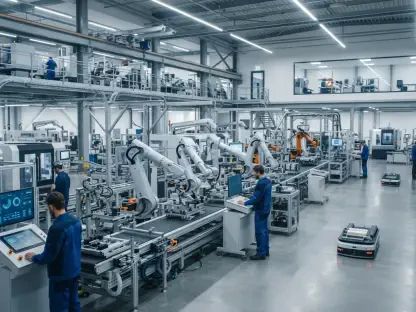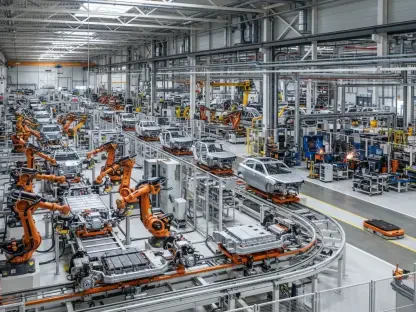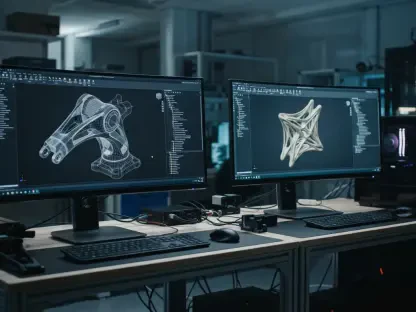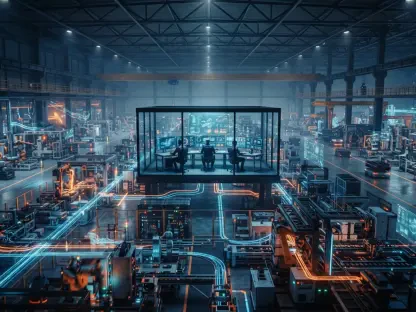

Industry projections indicate that the global physical AI market is set to expand from $383 billion in 2026 to an estimated $3.25 trillion by the year 2040. This monumental growth underscores a fundamental transition where digital intelligence is no longer confined to screens but is actively manifesting within the tangible hardware of the industrial world. ASUS is positioning itself at the epicenter of this transformation by developing systems that allow machines to interact with their environment with human-like fluidity and precision. This concept of embodied AI moves beyond simple automation, focusing instead on the complex orchestration of sensors and actuators to achieve autonomous decision-making in real-time settings. As global manufacturing faces increasing demands for efficiency and customization, the integration of vision-based systems and high-speed processing becomes the essential foundation for next-generation production lines. By bridging the gap between abstract algorithms and the physical factory floor, the company is redefining how value is created.
Integrating Vision and Real-Time Control
Advanced Robotics and High-Speed Processing
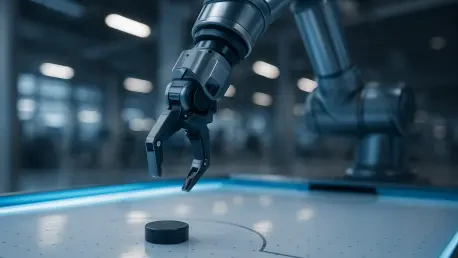
One of the most striking demonstrations of this new era is a high-performance robotic system capable of playing air hockey with human-like reflexes. Developed in collaboration with industrial partners, this system serves as a proof-of-concept for ultra-low-latency applications where every millisecond counts toward success or failure. By capturing environmental data at 120 frames per second, the AI can perceive, predict, and react to physical movement with incredible precision that rivals the fastest human competitors. This technology is not merely for recreation or spectacle; it represents the future of high-speed assembly lines where machines must adapt instantly to changing conditions without manual intervention. The ability of a machine to track a small, fast-moving object and compute an interception path in a fraction of a second demonstrates the immense processing power now available at the edge of the network, enabling a level of mechanical responsiveness that was once considered impossible.
Biological Models for Autonomous Execution
The architecture behind these advancements follows a sophisticated three-layer model that mimics biological responses in sentient creatures. It begins with visual perception to gather comprehensive data from the surrounding environment, followed by physical prediction to calculate likely trajectories and outcomes, and finally culminates in real-time control for mechanical execution. This framework allows industrial hardware to perform tasks that were previously thought to require human intuition and years of specialized training. By mastering this continuous loop of perception and action, the company provides the essential foundation for complex logistical sorting and intricate manufacturing processes that demand zero-lag performance. Industrial operators are now seeing the potential for robots to handle delicate materials or perform assembly tasks that involve unpredictable variables. This transition from rigid programming to dynamic, AI-driven physical interaction marks the beginning of a truly autonomous industrial workforce.
The Architecture of the Smart Factory
Operational Efficiency and Safety Systems
Beyond individual robots, the vision for a modern factory involves a comprehensive ecosystem that monitors every stage of production with unblinking vigilance. This includes intelligent safety systems that use advanced video analytics to ensure personnel are wearing necessary protective gear and to prevent workplace accidents before they occur. By acting as a digital first line of defense, these solutions protect the human workforce while simultaneously gathering valuable data to improve overall production efficiency. This integration of safety and analytics ensures that human-robot collaboration remains both productive and secure in increasingly crowded work environments. Such systems can identify if a technician enters a restricted zone or if a machine is operating outside of its designated safety parameters. By automating the oversight of safety protocols, facilities can significantly reduce the risk of downtime caused by injuries or equipment damage, fostering a culture of reliability that benefits both the employer and employees.
Intelligent Scheduling and Quality Control
To manage the complexities of modern manufacturing, the company has deployed smart scheduling systems that integrate directly with existing execution platforms. These tools use continuous optimization methodologies to manage resource allocation and production timelines, allowing factories to remain flexible in the face of fluctuating market demands or supply chain disruptions. By combining these scheduling tools with visual inspection and anomaly detection, manufacturers can identify defects in real-time during the actual production process rather than waiting for a post-assembly audit. This holistic approach reduces waste and ensures that every item leaving the assembly line meets rigorous quality standards, which is essential for maintaining brand reputation. Furthermore, the ability to reconfigure production lines on the fly through intelligent software allows for “batch-of-one” manufacturing, where customized products can be built with the same efficiency as mass-produced items, meeting modern consumer demands.
Empowering the Edge with High-Performance Computing
Hardware Synergy and Multimodal Processing
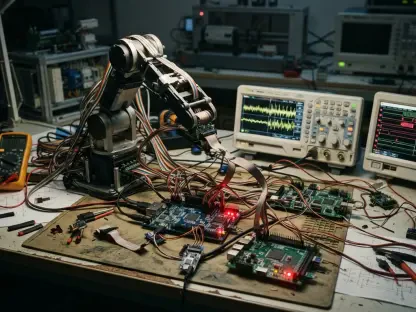
The backbone of these physical AI solutions is a robust partnership with leading chipmakers to deliver immense computing power directly to the rugged factory floor. The latest edge computers are designed to handle multimodal AI, processing visual data, mechanical vibrations, and electrical signals simultaneously to create a complete picture of operational health. This level of performance is essential for autonomous decision-making at the edge, which eliminates the need for constant communication with centralized cloud servers. This ensures that critical industrial decisions are made locally and instantaneously, maintaining a smooth workflow without the latency issues that often plague remote processing. These hardware solutions are built to withstand extreme temperatures, dust, and electromagnetic interference, ensuring that high-performance intelligence remains operational in the most demanding environments. By providing the “brains” of the factory in a durable form factor, the company enables the widespread adoption of AI.
Predictive Maintenance and Proactive Oversight
Furthermore, these edge solutions enable sophisticated predictive maintenance strategies that can save companies millions in potential losses and operational disruptions. By analyzing machine vibrations and other performance indicators, the AI can predict mechanical failures before they actually occur, identifying subtle signs of wear that are invisible to the human eye. This proactive stance allows for scheduled repairs during planned downtime, preventing the costly chaos of unexpected equipment breakdowns that can paralyze an entire production line. As a result, the factory becomes a self-sensing environment that maintains its own health and longevity through intelligent oversight and data-driven insights. This shift from reactive to proactive maintenance not only extends the lifespan of expensive machinery but also optimizes the inventory of spare parts, as sensors can pinpoint exactly which component is failing. The resulting stability allows manufacturers to commit to tighter delivery schedules and more ambitious production goals with confidence.
Securing the Future of Industrial Intelligence
Cybersecurity and Data Integrity
As industrial environments become increasingly connected, the threat of cyberattacks becomes a significant concern for global enterprises and national infrastructure. To combat this, the company has introduced a suite of security solutions designed to protect the integrity of industrial networks from the ground up. This includes advanced endpoint detection that monitors for anomalous digital behavior in real-time, identifying potential intrusions before they can cause operational harm. By shielding the factory’s digital nervous system from sophisticated threats, the company ensures that the benefits of AI do not come at the cost of operational vulnerability or the loss of intellectual property. Security is no longer an afterthought but a core component of the hardware architecture, with dedicated chips handling encryption and authentication tasks. This multi-layered defense strategy provides peace of mind for operators who are integrating their operational technology with information technology for the very first time.
Strategic Implementation of Resilient Systems
In the final assessment, the industry recognized that the transition to physical AI required a comprehensive overhaul of both hardware and security protocols. It was determined that organizations which prioritized the integration of real-time perception and autonomous control achieved significantly higher productivity gains compared to those who delayed adoption. Leaders in the sector focused on implementing quantum-safe technologies to prepare for the next generation of computing challenges, ensuring that data transmission remained secure against emerging threats. Experts advised that the most effective first step involved deploying edge-based predictive maintenance to stabilize existing operations before scaling to full automation. This strategic roadmap allowed manufacturers to build a resilient foundation for future growth while mitigating the risks of digital transformation. By adopting post-quantum cryptography early, these companies established a secure path for device authentication that remained robust throughout the decade, proving that foresight was just as valuable as technical innovation.