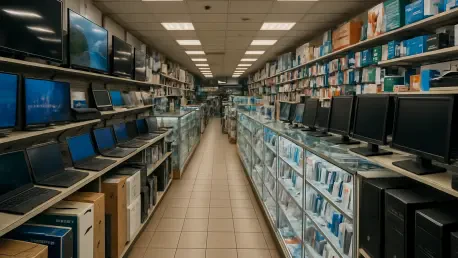

The retail environment across Ireland is currently experiencing a massive shift where technological advancement and heightened consumer expectations dictate market leadership. Currys Ireland has established itself as a frontrunner in this transition, serving as a primary hub for everything from essential home appliances to top-tier entertainment gear. This evolution is driven by a market that increasingly values a blend of high-end performance and everyday practicality in a rapidly digitizing society. As Irish households become more tech-integrated, the demand for smart, connected devices has grown significantly, reflecting a lifestyle where efficiency is paramount. This trend is not just about buying new gadgets but about how technology supports daily productivity and leisure in a seamless manner. Retailers are now tasked with diversifying their inventory to match a lifestyle where connectivity is a top priority for the average consumer across the country. By focusing on these shifting preferences, major players are redefining what it means to be a modern electronics provider.
Redefining Home Utilities Through Energy Efficiency
Modern appliances like washing machines have evolved from simple utility tools into sophisticated systems designed for advanced energy management. Irish shoppers are moving away from basic functionality and are now looking for models that offer high energy ratings, water-saving features, and silent operation. This change is largely motivated by a combination of environmental awareness and the rising cost of utilities across the country, making efficiency a financial necessity. To meet these needs, the market has seen a surge in front-loading machines that use artificial intelligence to adjust wash cycles based on specific load weights and fabric types. Additionally, the inclusion of smart technology allows users to control their appliances via smartphone apps while receiving remote maintenance alerts to prevent breakdowns. Retailers have responded by offering a wide price range to ensure that these sustainable innovations are accessible to all budgets regardless of household size.
Beyond washing machines, the push for energy efficiency has extended into the realm of refrigeration and cooking appliances, where induction hobs are now the preferred choice. These units offer precise temperature control and significantly faster heating times compared to traditional electric or gas alternatives, reducing overall energy consumption. The demand for heat pump tumble dryers has also skyrocketed, as they provide a much more efficient way to dry clothes by recycling hot air within the drum. Consumers are increasingly scrutinizing the European Union energy labels, seeking out A-rated products that promise the lowest possible carbon footprint and operational costs. This focus on sustainability is not merely a passing trend but a fundamental shift in the Irish purchasing psyche that favors durable, eco-friendly hardware. Retailers must therefore maintain a stock of high-performing, low-impact machines that align with these green initiatives. The transition toward a greener kitchen is thus a major pillar of the current market.
Supporting the Shift Toward Remote Work and Digital Education
Laptops have become indispensable tools for both students and professionals as hybrid work models become a permanent fixture in the Irish employment landscape. The market is currently split between those who need lightweight ultrabooks for extreme portability and those who require high-performance workstations for gaming or creative tasks. This demand reflects a broader trend where personal computers serve as the primary gateway for professional, educational, and social engagement in a digital-first world. Today’s consumers are more knowledgeable about hardware than ever before, often comparing processor speeds and storage types before making a final purchase. This high level of technical literacy means that retailers must provide detailed information and a variety of versatile 2-in-1 devices that can function as both tablets and computers. Success in this sector depends on catering to a user base that understands the value of specific hardware components such as RAM capacity and solid-state drive reliability.
In addition to portable computers, there is a growing market for specialized home office equipment that mimics the ergonomics and performance of a corporate setting. High-resolution monitors, often in ultrawide formats, are becoming standard for those who manage complex spreadsheets or multiple software windows simultaneously. Mechanical keyboards and ergonomic mice are no longer reserved for niche enthusiasts but are sought after by professionals looking to improve their daily comfort and productivity. This shift has also boosted the sales of networking hardware, as high-speed Wi-Fi 6 and Wi-Fi 7 routers are now essential for maintaining stable connections during video conferences. Retailers are finding success by bundling these peripherals with computer purchases, providing a comprehensive solution for the modern remote worker. The emphasis has moved from merely owning a computer to creating a sophisticated ecosystem that supports high-level performance across various digital platforms.
Enhancing Domestic Life with Smart Media and Gaming
Home entertainment has been completely transformed by the widespread adoption of 4K and OLED screen technologies, which offer unprecedented levels of clarity and color accuracy. The television is no longer just a screen for watching broadcasts; it serves as a central digital hub that integrates streaming services, voice assistants, and smart home controls. Families are increasingly opting for larger displays, with 55-inch to 75-inch models becoming the standard for an immersive viewing experience that rivals the cinema. This trend is supported by the availability of high-dynamic range content, which enhances the contrast between the brightest whites and the deepest blacks. Retailers are focusing on showcasing these visual capabilities in-store to demonstrate the tangible benefits of upgrading to the latest display panels. As more content is produced in higher resolutions, the pressure to own a capable screen continues to drive significant volume in the Irish electronics sector. This move toward larger, smarter screens is a defining characteristic of modern living rooms.
At the same time, gaming has moved from a niche interest to a major economic driver within the electronics sector, influencing how entire living rooms are configured. The latest consoles are viewed as multi-functional media centers that offer much more than just gameplay, including social interaction and high-definition streaming. The demand extends beyond the consoles themselves to a full ecosystem of accessories, such as premium spatial audio headsets and specialized controllers that enhance the user experience. Many consumers are also investing in high-refresh-rate monitors and specialized gaming furniture to create dedicated environments for their hobby. This dedicated gaming community is highly loyal and frequently seeks out the latest technological iterations, from virtual reality headsets to cloud-based gaming subscriptions. Retailers that can offer a wide selection of both hardware and digital services are seeing strong engagement from this demographic. Consequently, the gaming category has become a vital component of the overall retail strategy.
Navigating the Future of Retail and Connected Living
To stay competitive, major retailers are adopting an omnichannel strategy that blends online convenience with physical store support in a way that prioritizes the customer journey. Services like Click-and-Collect and professional in-home installation help build long-term trust with a customer base that researches products online but still values local expertise. This approach ensures that the shopping journey is seamless, whether it begins on a smartphone while commuting or in a brick-and-mortar showroom. Customers often prefer to see and touch high-end electronics before making a significant investment, making the physical presence of a store a crucial asset. Furthermore, providing after-sales support and repair services creates a sense of security that purely online marketplaces often struggle to replicate. By integrating digital platforms with physical locations, retailers can offer a personalized experience that meets the diverse needs of the Irish public. This synergy is essential for maintaining market relevance.
Looking forward, the Irish electronics market is expected to lean even more heavily into automation and artificial intelligence to enhance daily living. Retailers are currently projecting a period of sustained growth from 2026 to 2028 as new AI-integrated hardware becomes the industry standard and household staple. Future growth will likely be driven by appliances that offer advanced diagnostics to predict failures before they happen, saving consumers time and money on repairs. Entertainment systems will also push the boundaries of visual resolution and immersive sound, incorporating AI to upscale lower-quality content in real-time. Consumers will look for advice on how to integrate different brands into a cohesive smart system that manages energy, security, and leisure effortlessly. This consultative approach will require staff to have a deeper understanding of software ecosystems and interoperability. The market is moving toward a service-oriented model where the hardware is just the beginning.
Driving Consumer Confidence Through Technical Support
A critical element of the current market strategy involves providing robust technical support and protection plans that go beyond the initial purchase. As devices become more complex, the potential for software glitches or hardware compatibility issues increases, leading to a higher demand for expert troubleshooting. Irish consumers are showing a strong preference for retailers that offer comprehensive insurance and extended warranty programs to safeguard their high-value investments. This trend is particularly evident in the mobile and laptop sectors, where the cost of repair can be substantial without the proper coverage. In-store tech bars or service desks have become essential for providing immediate assistance and software updates, ensuring that customers get the most out of their products. By offering these value-added services, retailers are able to foster a sense of reliability that encourages repeat business and brand loyalty. This focus on the total ownership experience is a significant factor in how the market is shaped.
The electronics market in Ireland successfully navigated a period of intense change by focusing on consumer-centric solutions and technological integration. Industry leaders recognized that the key to longevity lay in their ability to adapt to a landscape where hardware and software became inextricably linked. They implemented advanced logistics and customer service protocols that streamlined the purchasing process and provided peace of mind for every household. By prioritizing energy efficiency and immersive entertainment, retailers managed to align their offerings with the practical needs of a modern workforce. This transition established a framework where circular economy initiatives, such as robust trade-in programs and recycling, emerged as the next critical frontier for growth. Retailers that proactively invested in these sustainable services secured the trust of environmentally conscious shoppers. Ultimately, this period laid the groundwork for a resilient market that prioritized interoperability and long-term support.