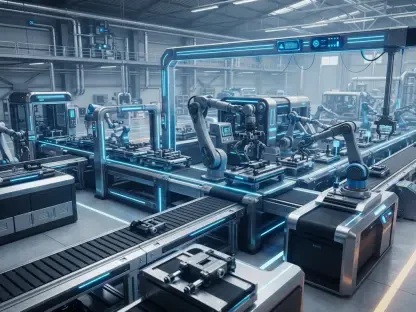

The rapid acceleration of industrial technology has forced a radical departure from the outdated silos of traditional manufacturing toward a much more sophisticated and unified production ecosystem. In the current global market, the pressure to deliver highly complex components with extreme precision has made isolated fabrication methods a liability rather than an asset. This shift is characterized by the emergence of hybrid manufacturing, where subtractive and additive processes are no longer seen as rivals but as essential partners. Companies like Shenzhen Jingcheng Dingyi Forming Technology Co., Ltd. are demonstrating that true industrial agility comes from a single-vendor solution that manages everything from a digital sketch to the final assembly line. By integrating Computer Numerical Control (CNC) machining with professional 3D printing and sheet metal work, these firms are effectively dismantling the logistical barriers that once slowed down innovation in the aerospace, automotive, and medical technology sectors.
The Synergy of Integrated Fabrication Technologies
Merging Subtractive and Additive Processes
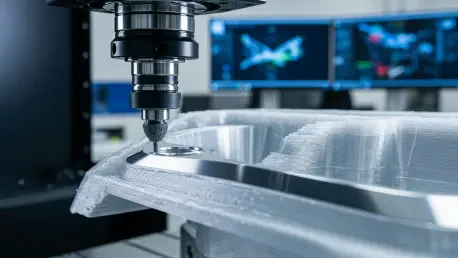
The integration of subtractive and additive manufacturing represents the most significant leap in production logic since the introduction of early automation. CNC machining has long served as the gold standard for creating high-strength, dimensionally accurate parts from solid blocks of metal or specialized plastics. However, traditional machining often struggles with complex internal geometries or excessive material waste during the prototyping phase. By incorporating professional 3D printing into the workflow, manufacturers can now bypass these limitations by printing intricate lattice structures or hollow cavities that were previously impossible to mill. This collaborative approach allows for the creation of lightweight components that retain the structural integrity provided by a final CNC finishing pass. The result is a part that benefits from the speed and geometric freedom of additive layering while meeting the exacting surface finish requirements that only high-speed spindles and diamond-tipped cutters can achieve in a modern facility.
This combined workflow has fundamentally altered the relationship between design engineers and the factory floor. Instead of waiting weeks for custom tooling to be fabricated for a new concept, teams can utilize additive manufacturing to produce functional prototypes in a matter of hours. These initial iterations serve as the foundation for the final design, allowing for rapid testing of fit and function before the project moves into the high-precision phase. Once the design is locked, the transition to CNC machining is seamless because the digital files have already been optimized within a unified software environment. This eliminates the translation errors that frequently occur when moving between different shops or software platforms. For high-stakes industries like robotics, this means that a single component can be developed with varying levels of complexity, ensuring that every gram of material is used efficiently without compromising the mechanical performance required for heavy-duty industrial applications.
The Role of Sheet Metal in Modern Structures
While the spotlight often shines on high-tech additive methods, traditional sheet metal fabrication remains an indispensable pillar of the modern industrial landscape. In a hybrid manufacturing model, sheet metal is no longer treated as a separate, low-tech task but is fully integrated into the broader production strategy to provide durable frameworks and protective enclosures. Industrial machinery and consumer electronics alike depend on the structural rigidity and electromagnetic shielding properties that only precision-formed metal panels can offer. Modern fabrication techniques have evolved to include fiber laser cutting and automated press brakes, which allow for complex bends and tight tolerances that align perfectly with CNC-machined internals. When a manufacturer manages both the internal precision parts and the external structural housing, the assembly process becomes significantly more reliable, as the tolerance stacks are managed by a single quality control department rather than multiple disparate suppliers.
The integration of sheet metal with digital manufacturing methods also allows for a more holistic approach to product durability and aesthetics. For instance, in the automotive and medical device sectors, the external chassis must often house a delicate array of 3D-printed sensors and CNC-milled structural mounts. By developing these components in tandem, manufacturers can ensure that thermal management and vibration dampening are addressed at the architectural level. Modern sheet metal shops now utilize sophisticated simulation software to predict how a panel will react to stress before the first cut is even made. This predictive capability, combined with the rapid turnaround times of a hybrid shop, ensures that industrial enclosures are not just afterthoughts but are optimized components of the final product. The ability to switch between thick-gauge structural frames and thin, high-precision enclosures within the same production cycle provides the versatility that global brands require to stay ahead of the competition.
Enhancing Efficiency and Supply Chain Stability
Accelerating the Product Development Lifecycle
In the current industrial climate, the speed at which a product moves from a conceptual drawing to a marketable asset determines its eventual success or failure. Hybrid manufacturing serves as a powerful catalyst for this progression by eliminating the friction points that traditionally exist between the research and development phase and full-scale mass production. When a manufacturer offers a complete suite of services, the need for multiple hand-offs between specialized vendors is removed, which significantly reduces the risk of project stagnation. Engineering teams can validate their most ambitious designs using 3D printing, then immediately pivot to low-volume CNC machining for pilot testing. This fluidity ensures that any design flaws are identified and corrected in the early stages, preventing costly revisions later in the cycle. By the time a product reaches mass production, the manufacturing process has been refined through these integrated steps, resulting in a much more stable and predictable output.
Furthermore, this acceleration is supported by the emergence of “digital twins” and advanced simulation tools that allow for virtual testing before physical production begins. In a hybrid environment, these digital models are used to program the 3D printers, CNC machines, and laser cutters simultaneously, ensuring a level of coordination that was previously impossible. This means that while a prototype is being printed, the fixtures for its subsequent machining can be prepared, and the sheet metal enclosures can be cut and bent. This parallel processing capability is what allows modern manufacturers to meet the aggressive deadlines required by the electronics and aerospace industries. By shortening the feedback loop between design and fabrication, companies can iterate on their products multiple times within the window that a traditional shop would take to produce a single sample. This rapid evolution not only improves the final product quality but also allows businesses to respond to market trends in real time.
Strengthening Global Supply Chain Resilience
The recent shifts in global trade have highlighted the profound risks associated with over-extended and fragmented supply chains. As a result, international clients are moving away from the “lowest-bidder” model in favor of integrated manufacturing partnerships that offer stability and consistency. A single-source provider that manages CNC, sheet metal, and additive processes acts as a strategic buffer against market volatility and logistical disruptions. When a project is concentrated with one partner, the complexity of managing multiple international shipments and communication channels is drastically reduced. This consolidation minimizes the potential for misunderstandings between different production stages, which is often where quality issues arise. For a global company, having a reliable partner in a manufacturing hub like Shenzhen means that they can maintain a lean inventory while knowing that their production partner has the diverse capabilities to adapt to sudden changes in demand or material availability.
Beyond simple logistics, these integrated partnerships foster a much deeper level of technical collaboration that enhances overall project resilience. When a manufacturer is involved in every stage of a component’s lifecycle, they develop a comprehensive understanding of the project’s unique requirements and challenges. This knowledge allows them to offer proactive suggestions for cost reduction or performance enhancement that a specialized shop might overlook. For example, a hybrid manufacturer might suggest replacing a heavy CNC-machined part with a hybrid assembly of sheet metal and additive components to save weight and reduce costs. This consultative approach transforms the manufacturer from a mere vendor into a strategic asset. By centralizing production and quality oversight, companies can ensure that their global supply chains are not just efficient, but also robust enough to withstand the unpredictable nature of the modern economy while maintaining a high standard of output.
Precision, Scalability, and the Future of Production
Maintaining Rigorous Quality Standards
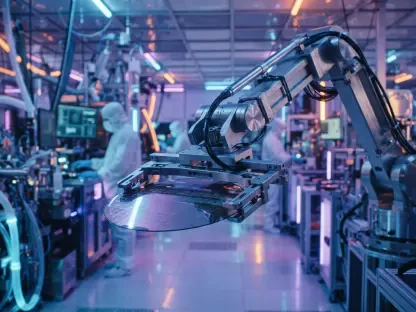
The demand for microscopic precision has never been higher, particularly as sectors like medical technology and aerospace push the boundaries of what is mechanically possible. In these high-stakes environments, a deviation of even a few microns can lead to catastrophic failure, making rigorous quality control the most critical aspect of the manufacturing process. Hybrid manufacturing facilities address this challenge by implementing automated inspection systems and digital monitoring throughout the production line. By using coordinate measuring machines and high-resolution optical scanners, manufacturers can verify the dimensional accuracy of a part at every stage, from the initial 3D-printed substrate to the final CNC-machined surface. This data-driven approach ensures that human error is minimized and that every component in a production run is identical to the master design. This level of repeatability is essential for regulatory compliance in healthcare, where surgical instruments and implants must meet non-negotiable standards.
To further enhance these standards, modern facilities have integrated advanced digital production planning systems that track the genealogy of every part produced. This means that the material batch, machine settings, and inspection results for a specific component are recorded and accessible, providing a level of transparency that is vital for industries with strict audit requirements. This technical rigor extends beyond just the physical dimensions to include material properties and surface integrity. For instance, in the aerospace sector, the stress-relieving processes after 3D printing and before CNC finishing are monitored with extreme care to ensure the final part can withstand high-pressure environments. By maintaining such a high threshold for quality, hybrid manufacturers are able to secure long-term contracts with the world’s most demanding engineering firms. The ability to deliver “first-time-right” components consistently is what separates the leaders in the precision manufacturing space from the rest of the market.
Scalability and Digital Transformation
Scalability is the final piece of the hybrid manufacturing puzzle, allowing a product to transition smoothly from a boutique prototype to a high-volume industrial reality. This journey typically begins in the laboratory or R&D department, where 3D printing provides a low-cost entry point for experimentation. As the product gains traction, the hybrid model allows for a gradual ramp-up in production volume using CNC machining for low-to-medium runs that require higher durability. Finally, as the design matures, the integration of automated sheet metal fabrication and dedicated tooling allows for high-volume output that maintains the same precision as the original prototypes. This path to scalability is supported by a digital-first philosophy, where design data flows uninterrupted from the initial CAD model to the robotic arms on the factory floor. This connectivity ensures that the manufacturing process is agile enough to accommodate mid-cycle design updates without requiring a complete overhaul of the production line.
The strategic integration of these diverse manufacturing technologies proved essential for the modernization of the global industrial base. By successfully blending the strengths of 3D printing, CNC machining, and sheet metal fabrication, production facilities moved beyond the limitations of single-process shops. This evolution resulted in shorter development cycles, enhanced component complexity, and a more resilient supply chain that prioritized both speed and precision. Decision-makers in the engineering and procurement sectors recognized that the path forward involved moving away from fragmented sourcing in favor of comprehensive manufacturing partnerships. These partnerships utilized digital workflows to ensure that quality standards remained high even as production volumes scaled to meet global demand. Consequently, the industrial landscape became more responsive to innovation, allowing for the rapid deployment of next-generation technologies across the aerospace and medical sectors. The move toward a unified, hybrid approach solidified the foundation for a more efficient and technologically advanced era of production.