
The rapid acceleration of high-tech production on American soil has transformed a trillion-dollar industry into a battleground for digital supremacy and supply chain sovereignty. Siemens has effectively anchored this movement through a massive $1 billion investment initiative designed to modernize the nation’s industrial footprint. By targeting high-growth sectors such as artificial intelligence, data centers, and passenger rail, the company is bridging the gap between legacy machinery and the autonomous future. This strategic blueprint serves as a primary driver for a more self-sufficient domestic economy, ensuring that the critical infrastructure of tomorrow is built with the precision of software-driven engineering.
Tracing the Evolution of the American Industrial Footprint
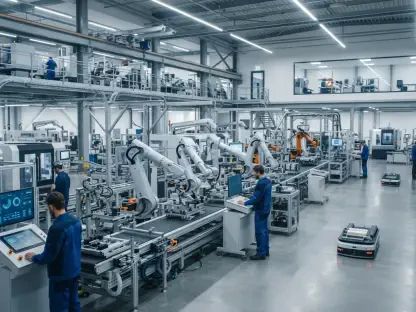
For decades, the domestic manufacturing sector struggled with the consequences of offshoring and deteriorating facilities that left supply chains exposed to global volatility. However, the current landscape reflects a decisive pivot toward reshoring, fueled by a collective realization that industrial stability requires local production. This transition marks a fundamental change where physical labor is no longer the primary currency; instead, data and connectivity have become the bedrock of modern output. Understanding this shift is essential because it explains why the focus has moved from traditional assembly lines toward smart facilities that prioritize agility over sheer volume.
The Pillars of Siemens’ Modernization Strategy
Bridging the Physical and Digital Through Smart Technology
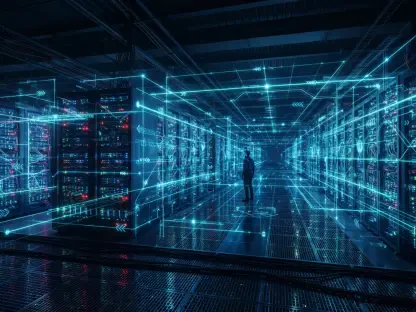
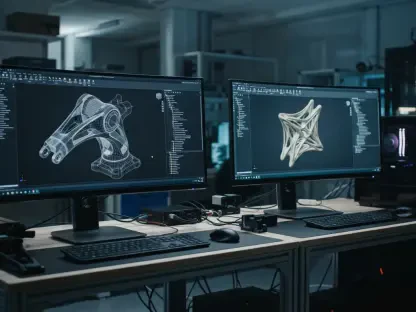
A core element of this industrial overhaul is the seamless integration of digital tools with physical production processes. By utilizing advanced software like Tecnomatix and 3D digital twins, organizations can now simulate entire factory workflows in a virtual space before any physical construction begins. This digital-first approach significantly minimizes operational errors and accelerates the speed at which critical components reach the market. Furthermore, the implementation of centralized data hubs allows for real-time monitoring of machine health, creating a continuous feedback loop that informs every stage of production.
Strengthening Critical Infrastructure via Strategic Hubs
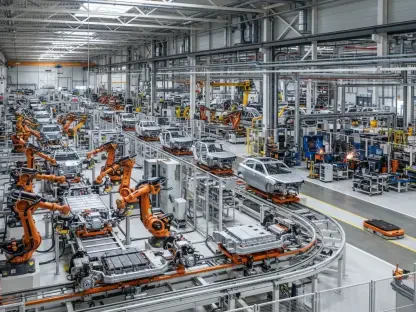
The physical manifestation of this capital injection is visible across specialized regional hubs that support national security and reliability. In Lexington, North Carolina, a massive passenger rail facility has become a cornerstone of modern transportation, meeting the rising demand for efficient transit solutions. Meanwhile, significant investments in Fort Worth, Texas, have prioritized the data center market, which serves as the essential hardware layer for the artificial intelligence revolution. These regional expansions do more than boost local economies; they create a distributed network of manufacturing excellence that can withstand localized disruptions.
Addressing the Environmental and Social Dimensions of Production
Beyond technological prowess, the industry is redefining the role of the manufacturer by emphasizing sustainability and the development of a modern workforce. The push toward net-zero carbon operations is evident in new facilities that utilize all-electric systems, solar microgrids, and comprehensive charging infrastructure for electric vehicles. This commitment to the environment is paired with a massive social impact, involving the creation of thousands of high-skilled roles. These positions move beyond manual labor into advanced engineering and logistics, proving that industrial growth can coexist with ecological preservation and meaningful job creation.
Navigating the Intersection of AI and Industrial Resilience
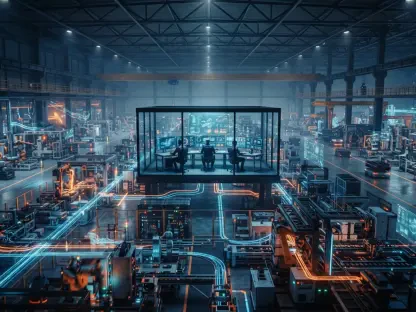
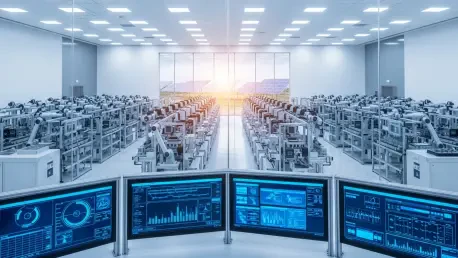
Looking forward, the fusion of artificial intelligence and physical manufacturing represents the most significant trend for the coming decade. The groundwork has already been laid for a future where factories operate with increasing autonomy, using AI-driven predictive maintenance to anticipate mechanical failures before they occur. As global trade patterns continue to shift, the emphasis on domestic semiconductor and battery production will only intensify. The organizations that thrive in this environment will be those that successfully navigate complex regulatory landscapes while maintaining a carbon-neutral footprint and high operational flexibility.
Implementing Best Practices for a New Era of Production
For businesses seeking to thrive in this evolving market, adopting digital twin technology is now a fundamental requirement for reducing risk. Sustainability should be treated as a primary design constraint rather than a secondary goal, with investments in microgrids providing a hedge against fluctuating energy costs. Additionally, there must be a persistent effort to upskill the workforce, preparing employees to manage the sophisticated robotics and AI systems that now define the shop floor. By prioritizing these strategic areas, organizations mirrored the resilience and forward-thinking nature of the current industrial expansion.
Securing a Sustainable and Innovative Industrial Future
The massive $1 billion commitment successfully bridged the gap between digital innovation and physical infrastructure, setting a new standard for social responsibility. This transformation provided a clear blueprint for a more resilient economy by merging domestic growth with advanced environmental goals. As the industry moved deeper into the age of electrification, the strategies implemented today ensured the strength of the industrial foundation for future generations. The shift toward smart, green, and domestic production became the defining characteristic of a rejuvenated American manufacturing sector.