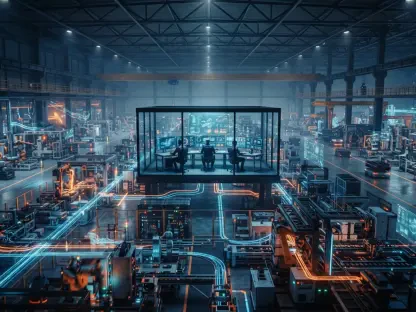

Modern aerospace manufacturing demands extreme precision, which is now being achieved through the application of specialized machining centers capable of producing complex blisk components with tight tolerances. As the industry moves further into 2026, the convergence of high-speed subtractive manufacturing and intelligent robotics has moved from an experimental luxury to a production necessity. The complexity of modern jet engine components requires more than just raw cutting power; it necessitates a sophisticated ecosystem where data and hardware coexist. Manufacturers are increasingly looking toward systems that can handle the intricate geometries of titanium and nickel-based superalloys while maintaining a level of consistency that was previously unattainable. This evolution is driven by the need for higher fuel efficiency and lower emissions, forcing a shift in how precision parts are conceptualized and executed on the factory floor. By integrating advanced sensors and real-time monitoring, these systems ensure that every cut aligns perfectly with the digital blueprint.
Integration of Robotic Systems and Multi-Spindle Platforms
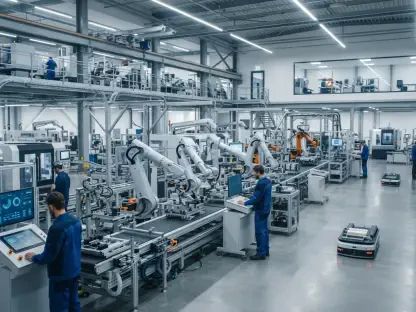
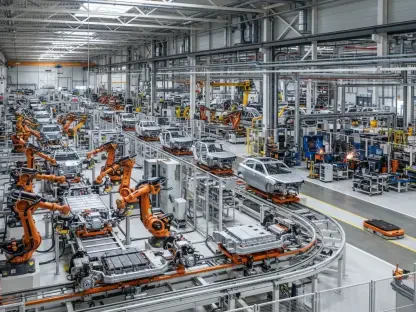
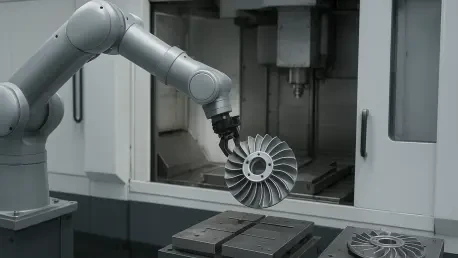
The implementation of dual-table and dual-spindle machining centers, such as the BA 322, has redefined the baseline for operational efficiency in high-output environments. These machines are designed to minimize idle time by allowing one table to be loaded or unloaded while the other is actively engaged in the cutting process. When paired with collaborative robots, or cobots, the material handling phase becomes a seamless extension of the machining cycle. The cobot is not merely a replacement for manual labor but a precision instrument that ensures components are positioned with absolute repeatability. This synergy allows for a continuous flow of production that operates with minimal human intervention, effectively mitigating the risks associated with manual handling errors. Furthermore, the compact footprint of these integrated cells makes them ideal for facilities looking to maximize their floor space without sacrificing throughput. The ability of the cobot to communicate directly with the CNC controller represents a significant leap in connectivity.
Transitioning between different product lines has historically been a bottleneck for precision shops, yet the advent of zero-point fixture change technology is effectively eliminating this friction. In modern setups, this system works in tandem with automated exchange platforms to facilitate rapid changeovers that take minutes rather than hours. This level of agility is particularly vital for manufacturers dealing with high-mix, low-volume orders where the ability to pivot quickly determines profitability. By using standardized interfaces, the robotic system can swap out entire workholding assemblies with micron-level accuracy, ensuring that the next job begins with perfect alignment every time. This approach reduces the non-productive setup time that often plagues traditional machining operations. Moreover, the integration of these systems into a unified digital architecture allows for better tracking of tool life and fixture usage. Consequently, the shop floor becomes a dynamic environment that maintains the rigorous quality standards required today.
Digital Twin Technology and Specialized Validation
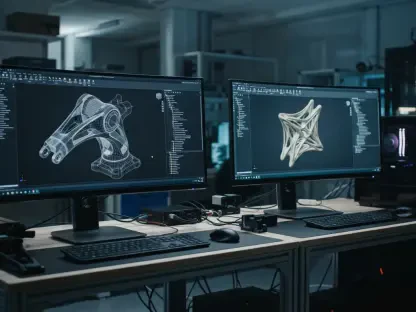
Beyond the physical hardware, the rise of digital twin technology has introduced a layer of virtual intelligence that safeguards the entire production lifecycle. By creating a high-fidelity virtual replica of the machining environment, engineers can simulate complex tool paths and potential interference scenarios before a single chip is cut. This proactive validation is essential for high-value components where a single programming error could result in a catastrophic loss of material. In 2026, these simulations have become so accurate that they account for thermal expansion and tool deflection, providing a comprehensive preview of the physical outcome. This digital-first strategy allows for the optimization of feed rates and spindle speeds in a risk-free environment, leading to improved surface finishes and longer tool life. Specialized solutions like the BA W06-22 machining center further utilize these models to handle the grueling requirements of aerospace blisk production, ensuring that thin wall thicknesses are maintained perfectly.
Manufacturers who successfully integrated these advanced technologies positioned themselves at the forefront of the industrial landscape. The shift toward automated, multi-spindle systems and digital twin validation proved to be a decisive factor in maintaining competitiveness amidst rising material costs. To move forward, stakeholders focused on upskilling their workforce to manage these sophisticated digital environments rather than just operating manual controls. They also prioritized the standardization of data formats to ensure that new equipment could be easily incorporated into existing smart networks. The adoption of modular automation platforms allowed for incremental upgrades, providing a scalable path for smaller shops to modernize their operations without excessive initial capital expenditure. By treating precision as a holistic goal that encompassed everything from robotic loading to virtual simulation, companies realized significant improvements in both quality and throughput. These strategies laid the groundwork for a more resilient and agile production model.