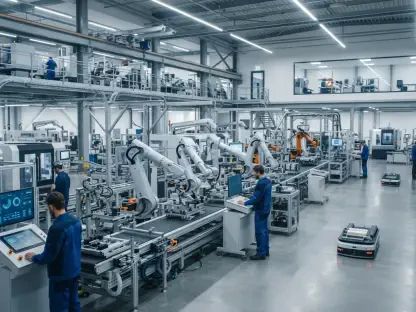
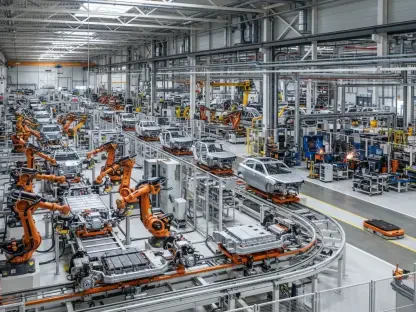
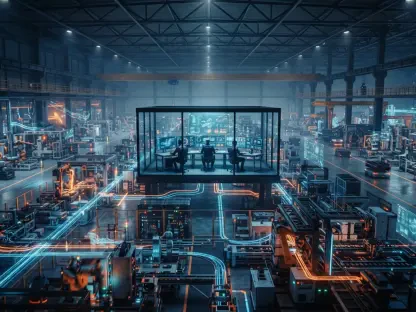
On the manufacturing floor, AI-driven image recognition systems are now identifying defects in fractions of a second to allow for instantaneous process adjustments. This technological integration represents a fundamental shift in how Valeo, under the leadership of Holger Schwab, navigates the complexities of modern mobility. By prioritizing industrial flexibility, the company is bridging the gap between legacy powertrain technologies and the emerging dominance of electric vehicles. The strategy relies on maintaining organizational agility to handle market volatility without sacrificing the precision that defines high-tier automotive supply chains. Instead of placing a singular bet on one specific energy source, the focus has shifted toward a technology-agnostic model. This ensures that the assembly lines remain productive regardless of whether demand swings toward hybrid solutions or full battery-electric systems, allowing for a seamless transition that mirrors the fluid nature of consumer preferences across the global marketplace.
Advancing Industrial Agility Through AI and Coding
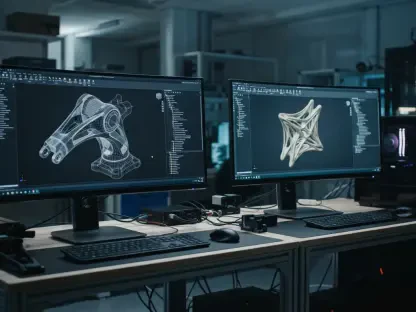
The integration of advanced digital tools is no longer a luxury but a fundamental necessity for survival in an industry where software defines the user experience. To achieve this, the organizational structure has undergone a massive strategic shift, prioritizing the removal of traditional engineering silos that once separated hardware development from digital innovation. By fostering a culture of continuous learning and technical adaptability, the company is ensuring that its workforce can pivot as quickly as the market demands. This agility is fueled by a deep integration of artificial intelligence across all levels of the industrialization process, from the initial design phase to the final assembly. As the complexity of vehicle systems increases, the ability to manage vast amounts of data in real time becomes the primary differentiator between market leaders and those who struggle to keep pace. The focus remains on creating a fluid environment where hardware and software evolve in parallel.
Revolutionizing Software Development Processes
Artificial intelligence has moved from a secondary experiment to a primary pillar of the modern industrialization process, fundamentally changing the way engineering is conducted. Within a mere 18-month window starting from the current year, the adoption rate of AI in software development has reached a staggering 35%, where code is now generated automatically rather than through manual labor. This shift allows senior engineers to move away from repetitive coding tasks and instead focus on high-level architecture and complex problem-solving. By utilizing these advanced algorithms, the timeline required to bring new digital features to market has been significantly shortened, providing a competitive edge in a software-driven landscape. The efficiency gains are not merely theoretical; they represent a tangible reduction in development overhead. This integration of digital intelligence ensures that the digital backbone of modern vehicles is both robust and rapidly adaptable to new standards.
Enhancing Shop-Floor Quality Control Systems
On the operational side, the implementation of AI-driven image recognition systems is transforming quality control from a static inspection phase into a dynamic, real-time feedback loop. These sophisticated systems identify microscopic defects in fractions of a second, which allows for instantaneous process adjustments that prevent waste from accumulating during the production run. By narrowing the control loop, detection and response occur simultaneously with the manufacturing step, maximizing efficiency and maintaining rigorous standards across global facilities. This capability is essential for managing the high degree of precision required for both electric motor components and traditional engine parts. The technology replaces legacy manual checks with a consistent, data-driven methodology that eliminates human error and provides a wealth of information for predictive maintenance. As the system learns from each pass, it becomes increasingly adept at identifying patterns that precede mechanical failures.
Adapting to Global Market Shifts and Regional Needs
Global market dynamics are shifting at an unprecedented pace, driven largely by the emergence of new players who prioritize speed and software integration over traditional manufacturing long-cycles. To remain a premier automotive supplier, the focus must shift toward emulating the rapid development timelines that have become the new industry standard. This involves a total reorganization of research and development efforts to prioritize regional needs while maintaining a cohesive global strategy. The challenge lies in balancing the need for extreme velocity with the non-negotiable requirements of safety and regulatory compliance. By leveraging digital twins and advanced simulation environments, the company can now validate complex systems in a fraction of the time it once took. This transition is not just about speed, but about the intelligent application of resources to ensure that every innovation is both timely and reliable. The goal is to create a responsive manufacturing network that can adapt to regional shifts.
Emulating China Speed in Research and Development
The rapid rise of domestic manufacturers in Asian markets has reset the global benchmark for development timelines, introducing a phenomenon commonly known as “China speed.” To remain competitive, there is a concerted effort to reorganize regional research and development centers, such as the major facility in Erlangen, Germany, to replicate this velocity through better organizational structures. Speed in engineering is only truly valuable if it is matched by rapid validation and regulatory approval, allowing new technologies to reach series production significantly faster than previous industry standards. By deploying aggressive AI strategies within the R&D workflow, the company can simulate complex environments and crash tests digitally, reducing the reliance on physical prototypes that often cause bottlenecks. This structural transformation ensures that the engineering teams are working with a streamlined hierarchy that empowers decision-makers. The goal is to create a seamless innovation pipeline.
Strengthening Regional Supply Chains via Local Sourcing
To mitigate global supply chain vulnerabilities that have historically disrupted automotive production, a “local-for-local” strategy is being aggressively pursued. This ensures that the production of critical components occurs on the same continent where the demand is located, creating a more resilient and responsive logistics network. This regionalized approach serves as both a logistical necessity and a strategic stance, emphasizing that true value creation must happen within the local economy to ensure long-term stability. Meaningful local sourcing is being prioritized over simple assembly, with the understanding that a robust network of regional suppliers is essential to the future of the automotive industry. By decentralizing production, the reliance on long-haul shipping and the associated risks of geopolitical instability are minimized. Furthermore, this proximity to the end customer allows for quicker iterations based on regional preferences and specific regulatory requirements.
Cross-Sector Synergy and Future Outlook
Financial and technical efficiency is further enhanced by leveraging the commonalities between different vehicle segments, particularly between consumer cars and heavy-duty commercial vehicles. By identifying shared technological foundations, the company can deploy innovations more broadly, ensuring that the high costs of research and development are spread across a larger volume of products. This strategic alignment allows for the creation of standardized components that can be adapted for various use cases, from urban electric vehicles to long-haul freight trucks. The dismantling of organizational silos has facilitated a more transparent exchange of ideas and data, leading to faster breakthroughs in battery management and autonomous sensor suites. This approach not only reduces overhead but also accelerates the learning curve for new technologies as they are tested across diverse environments. The focus is on creating a unified technological ecosystem where every advancement in one sector directly benefits others.
Leveraging Innovation Between Passenger and Heavy Vehicles
A key component of the current economic strategy involves the deliberate dismantling of technical silos between the passenger car and commercial vehicle divisions. High-volume passenger programs now serve as a primary innovation engine for electrification and automated driving technologies, which are subsequently ruggedized for the extreme durability requirements of heavy-duty trucks. This cross-pollination allows the company to amortize high development costs across vastly different market segments while utilizing data from high-stress truck duty cycles to improve the longevity of consumer cars. The exchange of data between these sectors provides unique insights into how different powertrains behave under varying loads and environments. For instance, the cooling requirements for a long-haul electric truck provide valuable lessons that can be applied to high-performance electric sedans. This synergy not only optimizes research budgets but also ensures that every technological breakthrough finds multiple applications.
Achieving Resilience Through Multigenic Production Capability
The strategy successfully positioned the manufacturing infrastructure to handle a multigenic production capability, which allowed for the creation of diverse product types within the same facility without massive capital reinvestment. By treating technology as a fluid asset and using artificial intelligence to bridge the gap between engineering and the shop floor, the company ensured it could thrive in any regulatory environment. Leaders recognized that in an era of rapid change, the ability to validate new systems quickly and maintain organizational agility were the most critical competitive advantages available. The integration of advanced coding and automated quality checks throughout the network proved that traditional automotive manufacturing could evolve into a high-velocity tech sector. Moving forward, the focus was placed on expanding these localized ecosystems and deepening the reliance on autonomous production tools to stay ahead of market shifts. These actions provided a clear blueprint for how legacy suppliers could reinvent themselves.