
A New Era in West Asian Geopolitics
The intricate recalibration of power dynamics across the Indian Ocean and the Arabian Gulf reached a critical juncture as New Delhi and Abu Dhabi moved to solidify a permanent security architecture. The upcoming visit of Prime Minister Narendra Modi to the United Arab Emirates in May represents a transformative shift in the geopolitical landscape of West Asia. While the visit serves as a diplomatic stopover, its core objective is the formalization of a Comprehensive Strategic Defense Partnership (SDP). This transition signifies a deliberate move away from a relationship traditionally defined by energy exports and labor migration toward a sophisticated, security-oriented alliance.
By elevating their bilateral ties, both nations are signaling a mutual commitment to regional stability and high-tech defense cooperation. This partnership is not merely a reaction to immediate threats but a long-term strategy to integrate their national security architectures. The shift indicates that the UAE is no longer viewed solely as a secondary trade partner but as a primary strategic pillar for India. This realignment reflects a broader consensus within Indian foreign policy circles that regional stability in the Gulf is directly linked to internal security and economic prosperity.
The Evolution from Trade to Tactical Alliance
The foundation for this historic agreement was laid earlier this year during the high-profile visit of UAE President Sheikh Mohamed bin Zayed Al Nahyan to New Delhi. For decades, the India-UAE corridor was defined by the exchange of crude oil and the presence of a massive Indian diaspora. However, the signing of a Letter of Intent marked a definitive departure from this transactional past. This shift is driven by a shared realization that economic prosperity is inextricably linked to regional security, necessitating a more proactive stance on defense.
Understanding this historical pivot is essential for grasping how India’s “Link West” policy has matured from simple diplomatic outreach to the establishment of a robust security footprint. This maturation addresses the challenge of securing energy supplies while simultaneously positioning India as a reliable security provider in a volatile region. Moreover, the deepening of these ties serves as a strategic counterweight to other regional influences, ensuring that both nations maintain autonomy over their sovereign interests through a localized security network.
Strengthening the Pillars of Defense Cooperation
Co-Development and Technological Innovation
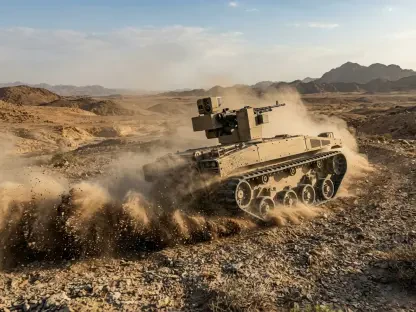
A critical aspect of the Strategic Defense Partnership is the move beyond a simple buyer-seller dynamic that characterized previous decades. Instead of merely purchasing equipment, India and the UAE are committed to the co-development and co-production of sophisticated defense hardware. This collaborative approach focuses on integrating artificial intelligence and advanced robotics into military infrastructure. By pooling resources and engineering talent, both nations aim to reduce their dependence on Western defense contractors and foster a self-reliant industrial base.
This strategy addresses the challenge of modernizing military capabilities while ensuring that technological sovereignty is maintained in an increasingly fragmented global market. The partnership encourages the sharing of intellectual property and the establishment of joint manufacturing units that can serve both domestic needs and export markets. Furthermore, this focus on high-tech innovation ensures that the armed forces of both nations remain equipped with the latest tools to handle asymmetric threats, reflecting a shift toward a futuristic defense economy.
Special Operations and Combat Interoperability
The partnership places a heavy emphasis on the ability of the Indian and UAE armed forces to operate in tandem during complex contingencies. Enhancing interoperability involves more than just joint exercises; it requires the synchronization of communication systems and the sharing of tactical expertise in specialized warfare. For India, this provides an opportunity to train in the unique desert environments of the Gulf, which is crucial for a military that has historically focused on temperate or tropical terrains.
Conversely, the UAE gains access to India’s extensive experience in mountain warfare and counter-insurgency operations, providing a more versatile training ground for its forces. This synergy is designed to create a rapid-response capability that can address regional contingencies, ranging from maritime threats to localized extremist activities. By standardizing operational protocols, the two nations ensure that their combined forces can respond with speed and precision whenever regional peace is threatened.
Cyber Resilience and Counter-Terrorism Frameworks
As modern warfare shifts into the digital realm, the SDP prioritizes the protection of critical infrastructure from sophisticated cyberattacks. This includes safeguarding energy grids, telecommunication hubs, and financial systems that are vital to both modern economies. Furthermore, the partnership reinforces a shared commitment to counter-terrorism through the exchange of real-time intelligence regarding regional radicalization. By addressing these non-traditional security threats, the agreement moves beyond conventional military hardware to create a holistic defense framework.
This multifaceted approach helps debunk the misconception that defense partnerships are solely about ships and tanks, highlighting the importance of invisible digital borders. The cooperation extends to legal frameworks and law enforcement, ensuring that both nations can track and neutralize financial networks that fund extremist activities. Such deep-rooted intelligence sharing builds a layer of trust that is rare in international relations, making the India-UAE bond a unique example of comprehensive security integration.
Navigating Future Shifts in Regional Security
The future of the India-UAE partnership will be shaped by emerging technological trends and the shifting global energy landscape. As the world moves toward a green transition, the focus of the SDP is expected to expand into the protection of renewable energy infrastructure and the security of hydrogen supply chains. Additionally, the increasing use of unmanned aerial vehicles in regional conflicts will likely drive further innovation in counter-drone technologies. This evolution ensures that the partnership remains relevant in an era where energy security is defined by more than just oil.
Expert predictions suggest that as the UAE continues to diversify its economy, its role as a regional defense hub will grow significantly. This provides India with a strategic gateway to African and Middle Eastern markets for its indigenous defense exports, such as the BrahMos missile and Tejas aircraft. The period from 2026 to 2030 is projected to be a transformative era for this alliance, as both nations seek to influence the global maritime order and secure the vital sea lanes that sustain international trade.
Strategic Takeaways for a Stable Partnership
The formalization of the Strategic Defense Partnership offers several major takeaways for observers and policymakers alike. First, it demonstrates that defense cooperation is now a primary pillar of Indian foreign policy in the Middle East, signaling a more assertive role for New Delhi. Second, the emphasis on maritime security in the Strait of Hormuz highlights the global economic importance of this bilateral bond. For businesses and defense contractors, the shift toward co-production presents significant opportunities for high-value joint ventures.
It is recommended that stakeholders in both nations prioritize the alignment of regulatory frameworks to ensure that this high-level political intent translates into efficient, real-world industrial cooperation. Furthermore, private sector participation in defense research and development should be encouraged through tax incentives and streamlined procurement processes. By fostering an ecosystem of innovation, India and the UAE can ensure that their partnership remains at the cutting edge of global defense trends.
Conclusion: A Blueprint for Regional Stability
The May summit functioned as a definitive marker for the implementation of a vision that acknowledged the UAE as a primary strategic partner for India. Both nations consolidated various defense initiatives under a single, streamlined umbrella, building a framework capable of addressing complex 21st-century threats. This partnership remained significant in the long term because it balanced military strength with a steadfast commitment to dialogue and diplomacy. The strategic dialogue effectively eliminated the redundancy of older, less focused agreements and established a new standard for Gulf-South Asia relations.
Ultimately, the India-UAE Strategic Defense Partnership served as a blueprint for how rising powers collaborated to secure vital trade routes and maintain a stable balance of power in a volatile world. New insights into maritime drone surveillance and satellite-based intelligence sharing were introduced during the later stages of the discussions, providing a roadmap for future technical annexes. This collaborative model moved beyond traditional geopolitics, suggesting that the next phase of the relationship would focus on space security and deep-sea exploration as the ultimate frontiers of their shared defense interests.