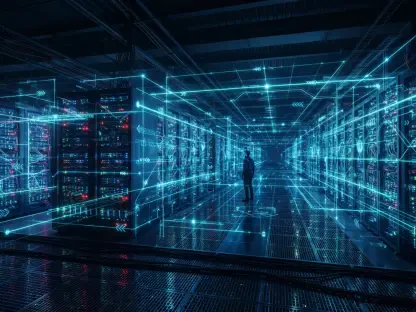

The rapid integration of artificial intelligence into industrial ecosystems has created a striking paradox where the very technology designed to optimize efficiency now acts as a primary gateway for sophisticated cyberattacks. Modern manufacturing plants have transitioned from traditional, isolated systems to hyper-connected hubs that rely on machine learning for every stage of production, from predictive maintenance to real-time supply chain adjustments. While these advancements yield unprecedented levels of productivity and waste reduction, they also introduce a complex layer of vulnerability that legacy security frameworks are fundamentally unequipped to handle. The current industrial landscape is defined by this high-stakes tension, forcing leaders to navigate a reality where AI serves as both the greatest risk to operational continuity and the most potent tool for defensive resilience. As the adoption of generative models and automated decision-making platforms reaches an all-time high, the distinction between a secure facility and a compromised one often depends on how effectively a company balances these competing forces. Organizations are no longer just making products; they are managing massive, intelligent data networks that require a constant state of vigilance against adversaries who are equally adept at using AI to find and exploit the smallest cracks in the digital foundation. This shift has fundamentally rewritten the rules of industrial competition, making cybersecurity a core component of operational excellence rather than just a technical afterthought in the modern era of smart manufacturing.
1. The Expansion of AI in Industrial Settings: Driving Innovation and Risk
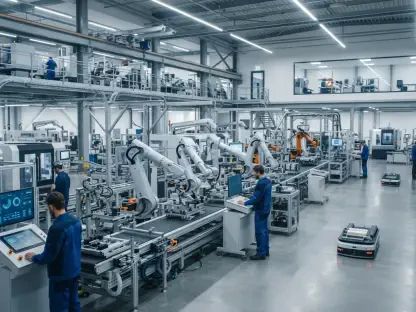
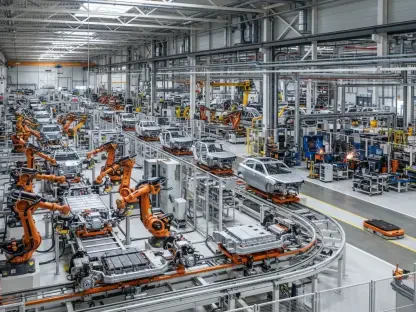
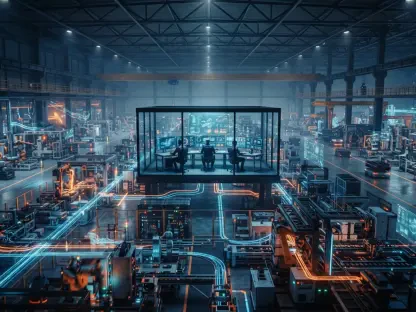
In 2026, the industrial sector has witnessed a massive migration toward AI-driven platforms, with nearly eighty percent of major manufacturing firms incorporating large-scale machine learning models into their core operations. The primary business drivers for this transition are clear: manufacturers are using process automation to reduce labor costs, computer vision for high-speed quality checks, and predictive analytics to streamline global logistics. These technologies allow factories to run with minimal human intervention, adjusting to market demands in milliseconds and identifying mechanical failures before they actually occur. However, the sheer volume of data required to fuel these systems means that internal networks are more open and integrated than ever before, connecting once-isolated factory floors directly to cloud-based processing centers. This reliance on constant data flow creates a high-performance environment where any disruption to the algorithmic heart of the factory can lead to massive financial losses or physical equipment damage.
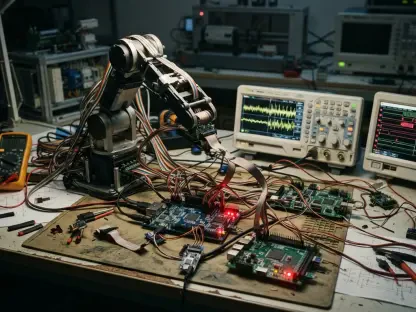
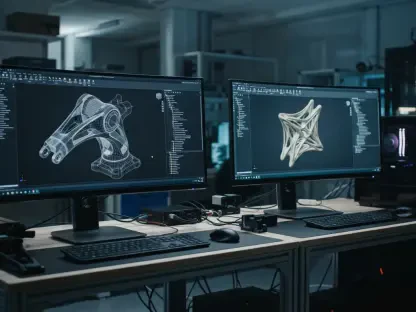
This aggressive digital transformation has unintentionally widened the attack surface within factory environments to a degree that was previously unimaginable in traditional industrial setups. Every smart sensor, robotic arm, and edge computing device added to the network represents a potential entry point for malicious actors seeking to disrupt production or steal proprietary manufacturing recipes. The complexity of these AI integrations often outpaces the ability of security teams to vet every software update or third-party integration, leading to a fragmented defense posture. Furthermore, the use of large language models for internal documentation and code generation has introduced new risks associated with data leakage and the accidental exposure of sensitive operational secrets. As factories become smarter, they also become more attractive targets for state-sponsored entities and criminal syndicates who recognize that the modern assembly line is now a digital asset as much as it is a physical one, requiring a total reassessment of risk.
2. The Emerging Threat Landscape: Navigating the Erasure of Air Gaps
The traditional air gap that once separated sensitive industrial control systems from the public internet has largely vanished due to the relentless push for real-time data visibility. In the current landscape, the merging of information technology and industrial networks means that a breach in a corporate email system can theoretically migrate to the controllers governing high-pressure valves or heavy machinery. This convergence was designed to allow executives to see floor-level data from their mobile devices, but it has removed the physical barriers that once served as a final line of defense against remote hackers. Without these gaps, the speed at which an infection spreads through a facility has increased exponentially, leaving human operators with almost no time to react before a system-wide shutdown occurs. The interconnected nature of modern industrial components ensures that no single machine is truly isolated, making the entire ecosystem only as strong as its weakest connected device.
Concurrent with these structural changes is the evolution of threat actors who now leverage artificial intelligence to automate the discovery of vulnerabilities and lower the technical barriers for complex attacks. Cybercriminals are using specialized generative tools to craft highly convincing phishing campaigns and to write malicious scripts that can bypass standard antivirus software by constantly mutating their code. These AI-powered attacks are not only more frequent but also more precise, targeting specific manufacturing protocols that are common across the industry. The rising cost of ransomware has become a significant burden, with production downtime often costing companies millions of dollars per hour, forcing some to pay ransoms just to prevent total bankruptcy. This environment has created a sense of urgency as manufacturers realize that they are no longer defending against individual hackers, but against automated, self-learning software that can scan for weaknesses twenty-four hours a day without fatigue.
3. AI as a Necessary Security Solution: Scaling Defense Beyond Human Capability
Despite the inherent risks, artificial intelligence remains an indispensable ally for security teams tasked with monitoring vast, high-speed networks that generate millions of logs every minute. Human analysts simply cannot keep up with the volume of data produced by a modern factory, making automated detection and response systems a requirement rather than a luxury. By using machine learning to establish a baseline of normal network behavior, security platforms can identify the smallest deviations that might indicate an intruder is moving laterally through the system. When an anomaly is detected, these systems can automatically isolate the affected segment of the network, preventing the spread of a virus while allowing the rest of the factory to continue operating. This rapid, localized response is essential in an era where milliseconds of delay can mean the difference between a minor glitch and a catastrophic line failure that ruins thousands of units of inventory.
Specific advantages for the industrial sector include the automated discovery of every connected device, from vintage programmable logic controllers to the latest high-tech smart sensors. Many manufacturers struggle to maintain an accurate inventory of their hardware, which often leads to “shadow devices” that remain unpatched and vulnerable to exploitation. AI-driven asset management tools can scan the network in real-time, identifying every piece of equipment and checking it against known vulnerability databases to ensure compliance with safety standards. Furthermore, these systems provide proactive management by predicting which components are most likely to be targeted based on global threat intelligence feeds. By shifting from a reactive posture to a predictive one, companies can harden their defenses before an attack is even launched. This level of behavioral pattern recognition allows for the detection of subtle unauthorized changes in machine settings that could indicate a sophisticated attempt at sabotage rather than a simple data theft.
4. The Structural Divide: Bridging the Gap Between IT and the Factory Floor
A significant obstacle to achieving total security is the persistent structural divide between information technology teams and operations technology personnel in many organizations. IT departments are typically focused on data privacy, software updates, and cloud security, while factory floor operators prioritize uptime, physical safety, and the continuous flow of the assembly line. These differing priorities often lead to a lack of coordination, where security patches are delayed because the production team fears a restart might damage sensitive equipment. This friction creates massive blind spots that attackers are eager to exploit, as they can hide their movements in the communication gaps between these two distinct groups. Without a unified strategy that accounts for both the digital and physical aspects of the business, even the most advanced AI security tools will fail to provide comprehensive protection across the entire manufacturing enterprise.
Understanding the mechanics of a modern cyberattack reveals how these silos are exploited, often starting with a relatively simple intrusion through an IT access point. A typical progression involves an initial breach via a compromised employee credential or a vulnerable office printer, followed by unauthorized sideways movement through the corporate network. Once the attacker gains a foothold, they look for the bridge connecting the office systems to the industrial control units that manage the actual machinery. If this bridge is not properly secured or monitored, the intruder can infiltrate the manufacturing zone and issue commands that interrupt the assembly line or alter product specifications. This type of lateral movement highlights why a unified defense is necessary; the security of the factory floor is now inextricably linked to the security of the corporate headquarters. Resolving this divide requires a cultural shift where both teams share responsibility for the integrity of the entire digital ecosystem.
5. Strategic Steps for Resilience: Implementing Oversight and Isolation
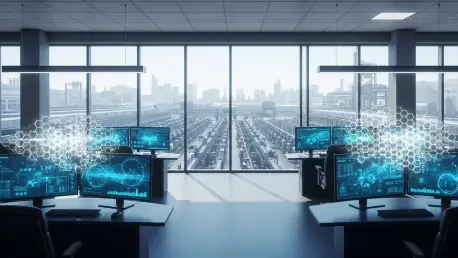
To counteract these evolving threats, manufacturers must prioritize comprehensive oversight across both IT and OT environments before attempting to scale further AI implementations. This process begins with the deployment of visibility tools that provide a single pane of glass view of all network activity, allowing security managers to see how data moves from the cloud to the shop floor. Once this visibility is established, companies should partition their industrial networks based on proven architectural models that separate critical production systems from the general office network. By implementing strict micro-segmentation, a business can ensure that a malware infection in the human resources department cannot reach the robotic welders on the production line. This isolation does not hinder data sharing but rather controls it through secure, monitored gateways that inspect every packet for malicious intent, thereby stopping threats from spreading throughout the entire organization.
Technological solutions alone are insufficient, as evidenced by the growing need for human supervision over AI-generated security alerts and decision-making processes. While automation can handle the bulk of the work, security professionals must remain “in the loop” to validate high-stakes alerts that could lead to an accidental and costly shutdown of the factory. Alongside this human oversight, organizations must consistently apply essential security protocols that are often overlooked in the rush to adopt advanced AI tools. Basics like multi-factor authentication for all remote access points and the regular updating of software remain the most effective ways to block the majority of common cyberattacks. Finally, a shift in focus toward recovery and durability is necessary, moving away from the impossible goal of 100% prevention. Manufacturers must develop robust incident response plans that allow them to recover data and restart production quickly, ensuring the factory can survive a breach with minimal lasting impact.
6. Cybersecurity as a Competitive Advantage: Building Trust Through Compliance
Beyond simple risk mitigation, a robust cybersecurity posture has emerged as a distinct business advantage in the current global marketplace. Insurance companies have become much more stringent in their requirements, often refusing to provide coverage or charging exorbitant premiums to manufacturers who cannot demonstrate advanced security controls. Similarly, major global partners and aerospace or defense contractors now require their suppliers to meet specific digital safety standards before awarding lucrative contracts. By investing in high-end security and AI-driven defense, a company signals to its partners that it is a reliable and stable link in the supply chain. This transparency builds long-term trust and can be the deciding factor when a customer chooses between two competing manufacturers in a high-risk era. Staying ahead of government regulations and compliance deadlines also prevents costly legal penalties and the reputational damage that follows a public data leak.
Organizations that succeeded in this transition moved beyond seeing security as a cost center and instead treated it as a foundational element of their brand identity. Leaders implemented comprehensive training programs that turned every floor worker into a first line of defense against social engineering and physical security breaches. They established clear protocols for rapid recovery, ensuring that even in the event of a successful intrusion, the business could resume operations within hours rather than weeks. These proactive measures were complemented by a commitment to continuous monitoring and the regular auditing of AI models to prevent algorithmic bias or tampering. By integrating these strategies, manufacturers secured their own future and provided a blueprint for how to thrive in a world where digital and physical realities are one. They proved that the best defense was not just a piece of software, but a culture of resilience that embraced innovation while respecting the complexity of modern threats.