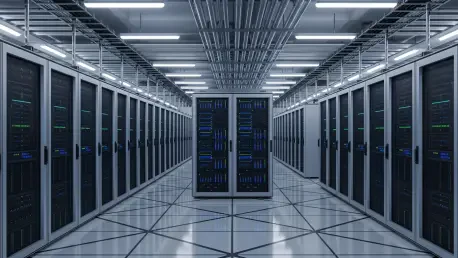

The convergence of advanced robotics and generative artificial intelligence has reached a critical tipping point as Japan positions itself to become the global leader in physical AI infrastructure. While the previous phase of the technological revolution focused primarily on digital assistants and text-based generative models, this new initiative represents a fundamental shift toward the embodiment of intelligence in the physical world. By establishing a massive network of high-performance computing centers, the nation aims to create a blueprint for what is being called the world’s first physical AI factory, a facility designed to process and generate the complex data required for autonomous machines and industrial automation. This strategic move is not merely about increasing raw processing power; it is about localizing the means of intelligence production to ensure economic resilience and technological sovereignty for the nation as it navigates a rapidly changing technological landscape.
The Strategic Foundation of Sovereign AI
National security and economic independence are driving this massive investment into specialized computing clusters that can operate independently of foreign cloud providers. Japan has recognized that data is the fuel of the modern economy, and the ability to process that data locally using the most advanced semiconductors available is a prerequisite for maintaining a competitive edge in the global market. By utilizing the latest Blackwell architecture from NVIDIA, Japanese telecommunications and technology giants are building a robust infrastructure capable of training large-scale models tailored specifically to the unique needs of the domestic manufacturing and service sectors. This sovereign approach ensures that sensitive industrial intellectual property remains within national borders while providing local researchers with the tools necessary to innovate at an unprecedented pace during this current era of rapid progress. This foundation is essential for building a truly digital nation.
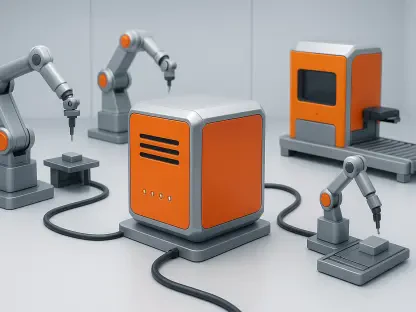
The partnership extends beyond hardware procurement into a comprehensive ecosystem that includes software frameworks for digital twins and physical simulation environments. This allows developers to create virtual replicas of real-world factories where AI agents can be trained safely and efficiently before being deployed into physical robots. Such a methodology drastically reduces the time and cost associated with trial-and-error in physical testing, enabling a faster transition from conceptual design to operational reality. Moreover, the integration of these technologies fosters a new era of industrial productivity where machines can learn from one another in real-time across a distributed network. As these facilities come online, they will serve as the backbone for a nationwide transformation, supporting everything from autonomous delivery fleets to advanced medical diagnostic tools in cities, ensuring that the technology benefits every sector of the modern economy effectively.
Technological Integration and Industrial Impact
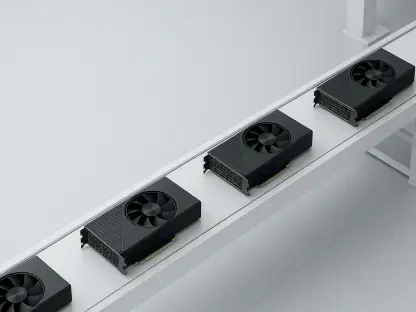
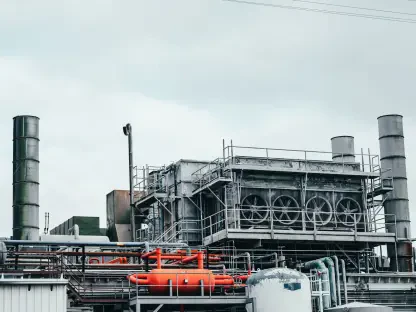
At the heart of this initiative lies the deployment of the most powerful graphics processing units currently in production, which are designed to handle the complex mathematical calculations required for modern neural networks. These systems are being housed in state-of-the-art data centers that incorporate advanced liquid cooling solutions to manage the intense heat generated by high-density computing racks. The efficiency gains provided by these newer architectures are essential for meeting the sustainability goals set by the government, as they deliver significantly more performance per watt compared to previous generations of hardware. This enables the scaling of AI services without placing an unsustainable burden on the national power grid, a crucial consideration for a country with limited natural energy resources and a desire to minimize its environmental footprint significantly while expanding its industrial capacity to meet the demands of a new digital age.
The successful establishment of this physical AI factory framework provided a clear path forward for other nations looking to modernize their industrial bases through intelligent automation. To capitalize on these advancements, stakeholders shifted their focus toward developing a workforce capable of managing these complex systems and integrating them into existing supply chains. Organizations began prioritizing the acquisition of hardware that supports high-speed interconnects and low-latency communication, ensuring that the physical components of the AI ecosystem could function as a cohesive unit. Future efforts should emphasize the creation of open standards for interoperability between different robotic platforms to prevent the fragmentation of the market. Moving forward, the focus remained on refining the integration of real-time sensor data with predictive modeling to create truly autonomous environments that can function without human oversight in many industrial sectors.