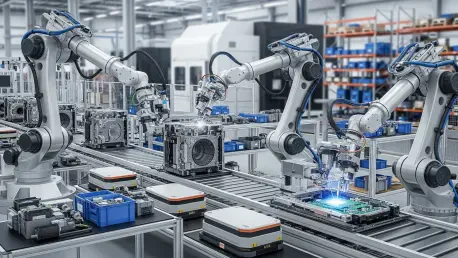

The rapid disappearance of traditional physical roles from the American industrial landscape is no longer a speculative scenario but a measurable reality occurring within the corridors of modern manufacturing plants. While public attention remains fixated on how generative artificial intelligence might displace office workers, a far more aggressive transformation is taking hold on the factory floor and in resource extraction. This shift represents a transition toward systems that do not just assist human effort but entirely supersede the need for biological intervention in repetitive, high-precision tasks.
The Evolution of Industrial and Service Automation
Automation has transitioned from simple hydraulic assistance to sophisticated autonomous frameworks that integrate mechanical movement with digital oversight. This “quiet” revolution focuses on the displacement of physical labor through the implementation of specialized robotics that excel in environments characterized by high repetition. Unlike earlier iterations of machinery that required constant human calibration, current systems utilize real-time sensor feedback to adjust to environmental variables, effectively mimicking the adaptability once exclusive to human operators.
This evolution is fundamentally a move toward precision and safety. By removing human personnel from high-risk or ergonomically taxing environments, industries are reducing the inherent variability of manual work. The result is a landscape where the “hands-on” component of production is increasingly digital, allowing for a level of consistency that biological workers simply cannot maintain over a standard eight-hour shift.
Core Components of the Automated Workforce
High-Precision Production and Patternmaking Technology
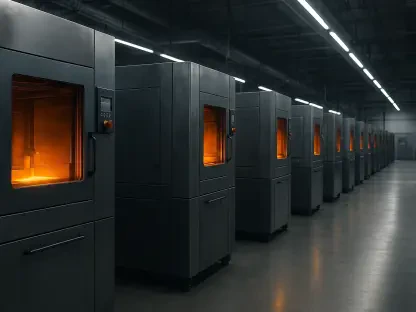
At the heart of this technological shift are systems designed to replace highly specialized trade roles, particularly in metal and plastic patternmaking. These machines achieve an automation feasibility of nearly 99% by utilizing advanced computer numerical control and robotic arms that replicate intricate human movements with microscopic accuracy. This level of precision ensures that technical standards remain uniform, effectively eliminating the margin for error that human fatigue or inconsistency introduces to the production floor.
Heavy-Duty Extraction and Resource Management Systems
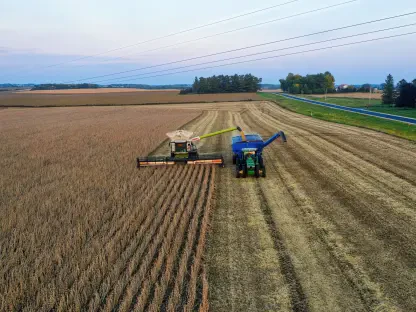
In the mining and agricultural sectors, automation takes the form of massive, autonomous machine operators. Underground mining, long considered one of the most hazardous human occupations, is being restructured through graders and excavators that operate via remote or fully autonomous logic. This implementation is unique because it prioritizes safety-driven displacement; machines can operate in oxygen-poor or unstable environments where human life would be at risk, making the transition not just an economic choice but a logistical necessity.
Scalable Point-of-Sale and Service Integration
The service economy is witnessing a similar overhaul through the deployment of mass-scale automated checkout systems. This technology manages high transaction volumes without the need for the 3.1 million human cashiers currently employed in the sector. These systems are unique in their ability to handle complex inventory management and payment processing simultaneously, reshaping the service experience into a streamlined, machine-driven interaction that reduces overhead and increases throughput.
Emerging Trends in Physical Labor Displacement
Current industry behavior indicates a strategic focus on roles with lower-than-average wages, specifically those falling within the $31,000 to $69,000 annual salary range. This trend suggests that automation is being prioritized where the return on investment is most immediate, targeting repetitive manual tasks over complex cognitive functions. While the displacement of white-collar roles remains a topic of debate, the automation of the shop floor is proceeding with much higher speed and significantly less public scrutiny.
Sector-Specific Applications and Case Studies
The restructuring of over 55 different professions highlights the breadth of this technological takeover. In the manufacturing sector, the widespread adoption of automated sewing machine operators and forge setters has demonstrated that even tasks requiring a degree of tactile feedback are now within the reach of robotics. These applications provide a clear narrative: any role that relies on a predictable physical workflow is currently at high risk of total automation.
Socioeconomic Challenges and Technical Barriers
Despite the technical triumphs, the rapid pace of this displacement creates significant socioeconomic friction. The primary hurdle is not the technology itself, but the lack of viable retraining pathways for the millions of workers whose roles are vanishing. Furthermore, the economic vulnerability of these employment groups means that a sudden market shift toward full automation could lead to significant regional instability if the transition is not managed with extreme care.
The Future of Autonomous Manual Labor
As we look toward 2034, the trajectory of labor automation points toward a complete redesign of the production environment. Future breakthroughs in machine dexterity will likely eliminate the final barriers to automating complex assembly tasks. This shift will move the American labor market toward a model where “work” is defined by system oversight and maintenance rather than physical output, fundamentally changing the nature of industrial employment.
Summary and Final Assessment
The evidence indicated that precision trades and high-volume service roles have reached a point of nearly total automation feasibility. The transition toward a 99% automated workforce in specific sectors revealed a profound shift in the industrial fabric, emphasizing efficiency over traditional employment models. Moving forward, the focus must shift from merely implementing these systems to developing a robust framework for labor transition. Stakeholders should prioritize the creation of specialized technical education programs that align with the new machine-centric landscape, ensuring that the workforce of the future is prepared to manage the very systems that replaced their physical predecessors.