
The rapid precision of a high-speed CNC machine spinning at thirty thousand revolutions per minute would result in instant catastrophic failure without the sophisticated chemical barriers provided by modern metalworking fluids. Currently valued at approximately $13.49 billion, the global market for these critical industrial substances is projected to expand significantly to over $18 billion by 2032. This trajectory, defined by a steady compound annual growth rate of 4.8 percent, indicates a profound shift in how manufacturing leaders perceive these chemicals. No longer viewed as simple consumables to be purchased at the lowest price point, these formulations have evolved into vital engineering components that directly influence the bottom line of advanced production facilities. As the world transitions toward more complex alloys and higher automation levels, the chemistry within the sump has become just as important as the hardware on the factory floor. This transformation is driven by the need for extreme precision and the relentless pursuit of operational efficiency in an increasingly competitive global landscape where every second of machine uptime is valuable.
Industrial Catalysts and the Mechanics of Modern Production
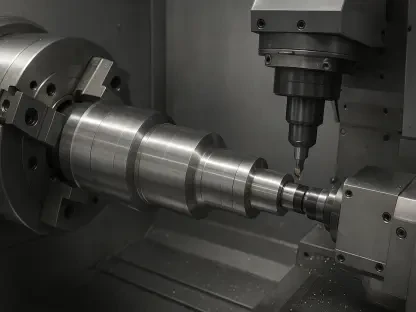
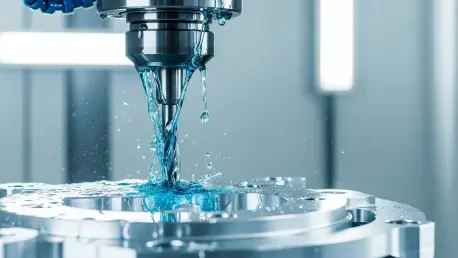
Metalworking fluids fulfill several roles that are often invisible but absolutely fundamental to the structural integrity of manufactured components. When a drill bit bites into hardened steel or a milling cutter shapes a block of aerospace-grade aluminum, the heat generated is sufficient to warp the metal and ruin the tool instantly. These fluids act as primary cooling agents, absorbing and dissipating thermal energy to ensure the workpiece remains within strict dimensional tolerances. Beyond temperature control, they provide essential lubrication that minimizes friction between the cutting edge and the material, which significantly reduces mechanical wear. Furthermore, they serve as a transport medium to flush away metallic chips and debris, preventing them from being re-cut or scratching the finished surface. Without this constant flow of specialized chemistry, the high-speed machining processes that define modern industry would be impossible to maintain at scale, leading to increased waste and lower product quality across all manufacturing sectors.
The ongoing transition toward Industry 4.0 and fully automated manufacturing environments has fundamentally altered the performance requirements for these fluid formulations. In the current 2026 landscape, autonomous production lines are designed to run around the clock with minimal human intervention, making fluid stability a paramount concern for facility managers. If a fluid degrades or becomes contaminated, the resulting machine downtime can cost thousands of dollars per hour in lost productivity and delayed shipments. Consequently, there is a surging demand for high-performance fluids that offer exceptional bio-stability and long-term chemical resilience to prevent premature disposal. These advanced formulations do more than just protect the machine; they extend the life of expensive carbide and diamond-tipped cutting tools, allowing manufacturers to optimize their total cost of ownership. By ensuring that every cut is as precise as the first, these fluids enable the mass production of high-tech components for the electronics, medical device, and renewable energy sectors.
Shifting Paradigms in Material Removal and Industry Specifics
While the market has traditionally relied on mineral oil-based products, there is a clear and accelerating shift toward synthetic and semi-synthetic metalworking fluids. These laboratory-engineered solutions offer superior thermal stability and a much higher resistance to bacterial growth compared to their conventional counterparts. This shift is particularly evident in high-precision workshops where a clean working environment and operator safety are prioritized alongside technical performance. Synthetic fluids do not produce the oily mist often associated with mineral oils, leading to improved air quality and reduced slip hazards on the factory floor. Moreover, their ability to provide rapid cooling makes them the preferred choice for high-speed grinding and finishing operations where surface quality is non-negotiable. As manufacturers look to differentiate themselves through quality and worker retention, the adoption of these premium synthetic alternatives continues to outpace the broader market average, driving significant innovation in chemical engineering.
The specific needs of the aerospace and automotive sectors continue to be the primary engines of innovation within the metalworking fluid industry. Aerospace manufacturers are increasingly working with difficult-to-machine materials like titanium and Inconel, which require specialized fluids with extreme-pressure additives to prevent tool welding and surface cracking. These high-lubricity formulations are essential for producing engine components and structural airframe parts that meet the rigorous safety standards of the aviation industry. In contrast, the automotive sector is focused on fluids that can handle the massive variety of processes involved in vehicle production, from engine block machining to the stamping of lightweight aluminum body panels. Additionally, the growing production of industrial robotics and consumer electronics provides a diversified demand base that protects the fluid market from downturns in any single sector. This cross-industry reliance ensures that fluid chemistry remains a focal point of manufacturing research and development as new alloys and composite materials are introduced.
Regional Powerhouses and the Global Push for Green Chemistry
Geographically, the Asia-Pacific region maintains its position as the dominant force in the global metalworking fluids market, driven by the massive industrial capacity of China and India. China continues to pivot toward high-tech manufacturing, requiring sophisticated fluids that can support the production of semiconductors and electric vehicle components. Meanwhile, India is experiencing a significant surge in demand as government-led initiatives encourage the expansion of domestic manufacturing and infrastructure projects. These regional powerhouses are not just consumers; they are becoming centers of excellence for fluid testing and application engineering. In contrast, the markets in North America and Europe are characterized by a focus on premiumization, where growth is driven by the adoption of high-value, specialized technologies rather than sheer volume. This bifurcated global market requires fluid suppliers to maintain a flexible strategy that addresses both the high-volume needs of emerging economies and the high-tech requirements of established industrial zones.
Sustainability has transitioned from a secondary concern to a central pillar of corporate strategy for both fluid manufacturers and their industrial customers. Strict environmental regulations are now limiting or outright banning the use of traditional additives like chlorinated paraffins and certain heavy metals due to their impact on the environment and human health. In response, the industry has seen a rise in bio-based metalworking fluids derived from renewable sources like vegetable oils and synthetic esters. These green alternatives offer the dual benefit of being biodegradable and having a lower carbon footprint while often providing superior lubricity compared to petroleum-based products. Manufacturers are also placing a heavy emphasis on extending the sump life of their fluids, which reduces the frequency of waste disposal and minimizes the environmental impact of industrial operations. By aligning fluid chemistry with global sustainability goals, the industry is proving that environmental responsibility can coexist with high-performance manufacturing, creating a more circular economy within the industrial sector.
Technological Integration and the Future of Solution-Based Partnerships
The integration of digital technologies is ushering in a new era of smart fluid management that was previously impossible. In the current industrial environment, real-time sensors are being deployed directly into fluid reservoirs to monitor critical parameters such as pH levels, concentration, and bacterial activity. This data is fed into centralized software systems that allow maintenance teams to perform predictive interventions before a fluid batch spoils or causes damage to the machinery. This shift toward data-driven management not only reduces chemical waste but also ensures that machining processes remain optimized for maximum efficiency at all times. Furthermore, innovation at the molecular level, particularly the use of nano-additives, is opening new possibilities for micro-machining. These tiny particles can penetrate the smallest gaps between the tool and the workpiece, providing unprecedented levels of lubrication and cooling for the production of microscopic medical implants and ultra-small electronic components that drive modern technology.
As the market matures, the relationship between fluid suppliers and manufacturers is evolving from a simple transactional model to one of deep strategic partnership. Leading chemical companies are no longer just selling a product; they are acting as solution providers who work alongside machine tool manufacturers to develop application-specific fluids. This collaborative approach ensures that the fluid is perfectly matched to the unique metallurgy and mechanical characteristics of the machining process, ultimately lowering the total cost of ownership for the end-user. Supply chain resilience has also become a critical factor, with companies investing in localized production and robust distribution networks to ensure reliable delivery in a volatile global market. By focusing on constant research and development, these firms are positioning themselves to thrive as the manufacturing sector moves toward even higher levels of automation and precision. This strategic evolution highlights the critical role that fluid chemistry will play in the next decade of industrial progress and technological expansion.
Strategic Imperatives for an Evolving Industrial Landscape
The transition of the metalworking fluids market toward a more sophisticated and sustainable future was driven by the integration of advanced chemistry and digital monitoring. Industrial leaders who prioritized the adoption of synthetic formulations and bio-based alternatives successfully reduced their environmental footprint while enhancing their operational efficiency. It became clear that the most effective path forward involved investing in smart fluid management systems that utilized real-time data to prevent waste and downtime. Strategic partnerships between chemical suppliers and equipment manufacturers proved essential for developing specialized solutions that addressed the challenges of machining modern high-performance alloys. By focusing on long-term fluid stability and the health of the shop floor environment, companies were able to maintain a competitive edge in an increasingly automated landscape. These actions established a blueprint for achieving high-precision manufacturing goals without compromising on sustainability or cost-effectiveness. Moving forward, the industry must continue to prioritize research into molecular lubricants and circular fluid management to ensure long-term resilience.