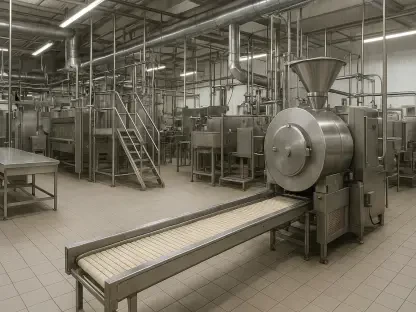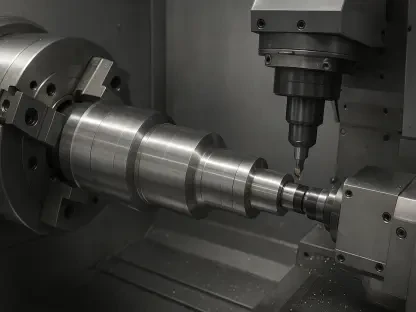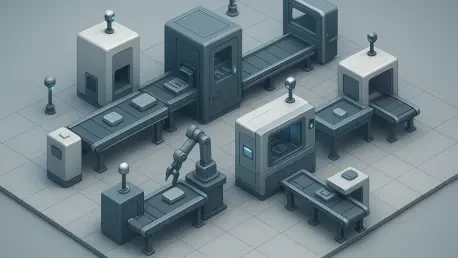

Beyond simple monitoring, the Nashville startup uses advanced vision models to predict machine maintenance needs by analyzing subtle changes in equipment movement. This innovative approach to industrial oversight recently culminated in a successful $7.5 million seed funding round led by Penny Jar Capital and Overture, signaling a significant shift in how venture capital views the intersection of physical labor and digital intelligence. Founded in 2025 by former Meta professional Andrew Jebasingh, SiteVue AI has quickly positioned itself as a pivotal force in the modernization of frontline operations within high-stakes sectors like manufacturing and construction. The capital infusion is specifically allocated to scaling proprietary vision models that offer facility managers granular, real-time visibility into complex daily workflows. By bridging the historical gap between manual labor and data-driven optimization, the company provides a comprehensive solution for environments where traditional digital transformation has struggled to take root effectively.
Advanced Hardware Integration: The Role of Edge Computing
The company distinguishes itself from existing competitors by producing vertically integrated hardware, including fixed-mounted units and wearable cameras designed specifically for rugged industrial environments. These devices are built to withstand extreme temperatures, vibrations, and dust, ensuring that visual data collection remains uninterrupted regardless of floor conditions. Instead of relying on cloud-based processing which can suffer from latency, SiteVue AI utilizes custom-trained models to perform real-time analysis directly on the production line via edge computing. This allows for the immediate monitoring of cycle times, labor movements, and product defects without the delays inherent in remote data transmission. Furthermore, the system can detect minute mechanical deviations that suggest impending machine failure, transforming raw video into high-level business intelligence. By automating the observation process, the technology eliminates the need for constant human supervision while maintaining a high level of accuracy.
The engineering team prioritized rapid adoption by developing a sophisticated plug-and-play subscription model that allows for complete system installation within days rather than months. This strategic design avoids the prohibitively expensive infrastructure overhauls and technical complexities that often deter mid-sized industrial firms from embracing modern automation tools. Facility managers can deploy these smart cameras without rewiring entire sections of a factory, making the transition to AI-driven oversight relatively seamless and low-risk. By focusing on ease of use and minimal operational disruption, the platform ensures that companies can begin optimizing their workflows and capturing valuable data almost immediately after the initial setup. This accessibility is a core tenet of the company’s philosophy, as it democratizes advanced computer vision for sectors that have historically been underserved by tech hubs. The simplicity of the user interface allows supervisors to interact with the data without requiring a background in data science.
Performance Metrics: Enhancing Productivity and Workplace Safety
Early adopters of the technology have already demonstrated the profound impact that real-time visual analysis can have on the bottom line, with several firms reporting profit margin increases exceeding 3% within the first ninety days of implementation. These financial gains are primarily driven by a 10% to 20% boost in overall floor efficiency, as the AI identifies bottlenecks and redundant movements that previously went unnoticed by human managers. Perhaps even more impressive is the staggering 90% reduction in safety-related incidents reported by facilities utilizing the wearable camera systems. By providing real-time alerts when workers enter hazardous zones or utilize equipment incorrectly, the platform creates a proactive safety net that prevents injuries before they occur. These improvements do more than just protect the workforce; they significantly lower the liability risks and insurance premiums associated with industrial operations, allowing companies to recapture lost labor hours and reinvest those funds into further growth.
Beyond immediate efficiency and safety gains, the platform offers a level of operational traceability that was previously impossible in manual labor environments by maintaining timestamped visual records of every product and workstation. This capability allows managers to perform comprehensive root cause analysis in a matter of minutes. When a defect is discovered in a finished product, the system can trace the item back to the exact shift, station, and individual cycle where the error occurred, providing clear visual evidence of the failure. Such detailed documentation is an invaluable resource for navigating regulatory audits, managing compliance reporting, and defending against liability claims in complex manufacturing settings. The ability to verify every step of the production process through visual data provides a standard of accountability that satisfies both internal quality control teams and external stakeholders. Moreover, this transparency helps in refining training programs, as supervisors can use actual footage of errors to educate staff.
Strategic Growth: Achieving Operational Traceability and Scale
Currently serving high-profile clients like Foster Farms and XOS Trucks, the company is aggressively expanding its footprint into new vertical markets including the oil, gas, and retail sectors. This expansion is supported by a growing team based in Tennessee, a location that places the company in the heart of the American manufacturing corridor and allows for close collaboration with regional industrial leaders. The core philosophy driving this growth is one of passive observation, where the AI works in the background to reduce waste, lower operational costs, and minimize the carbon footprint of heavy industry. By identifying energy-inefficient practices and streamlining logistics, the technology contributes to broader sustainability goals while simultaneously improving profitability. As the company scales its operations throughout 2026 and into 2027, it aims to establish a new global standard for how the physical world is monitored and optimized. This vision involves a future where every industrial environment is augmented by intelligent vision.
Industrial leaders who integrated these computer vision systems moved toward a more resilient and transparent operational model. The successful deployment of these tools required a clear strategy for data management and a commitment to workforce training, ensuring that employees understood the benefits of augmented oversight. Managers utilized the granular insights to redesign floor layouts, which effectively eliminated high-traffic bottlenecks and reduced physical strain on workers. Moving forward, companies considered the adoption of such integrated AI hardware as a prerequisite for maintaining competitiveness in an increasingly automated global market. The actionable data provided by these systems allowed for more accurate forecasting and procurement strategies, which stabilized supply chains during periods of volatility. By prioritizing the collection of real-time visual metrics, organizations successfully transitioned from reactive troubleshooting to a proactive stance on maintenance and safety. This shift not only protected the bottom line but also fostered a more informed workforce.