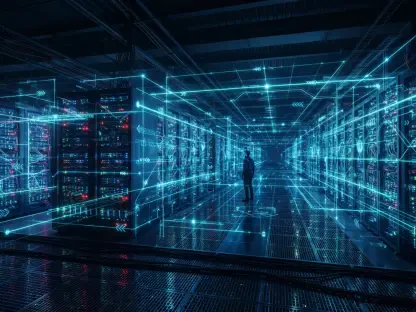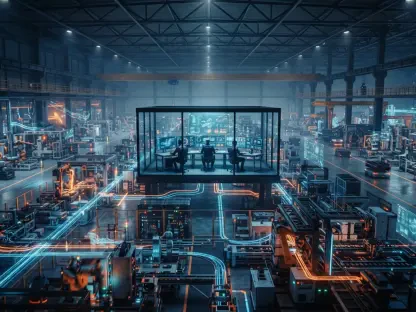

To overcome the physical limits of human labor in a facility three times the size of Yeouido, SK Innovation is scaling its fleet of autonomous inspection units. The Ulsan Complex serves as the central hub of South Korea’s energy infrastructure, yet its vast 8.25-million-square-meter footprint presents logistical hurdles that traditional monitoring simply cannot match. By implementing a sophisticated “Dual Brain” AI strategy, the company is bridging the gap between historical engineering wisdom and modern computational power. This initiative is not merely about automation but about the hybridization of industrial management. The refinery, which has operated for over three decades, now faces the dual challenges of aging physical assets and a significant demographic shift in its workforce. As veteran engineers approach retirement, their nuanced intuition is being encoded into digital systems that can analyze thousands of variables simultaneously to maintain peak refinery performance.
Integrating Engineering Intuition With Computational Power
The concept of the Dual Brain system rests on the symbiosis of “Brain AI”—advanced algorithms designed for complex decision-making—and the specialized expertise of the human workforce. At the Ulsan Complex, where the average equipment age exceeds 33 years, the intuitive knowledge of senior staff is an invaluable asset that standard software often fails to capture. However, with nearly half of the facility’s veteran “baby boomer” population set to retire by 2030, the risk of a massive “brain drain” has become a central strategic concern. To mitigate this, SK Innovation is actively digitizing decades of operational wisdom, transforming the tacit knowledge of engineers into actionable data points. This allows the AI to handle the immense computational load of processing real-time environmental data while human operators provide the contextual judgment necessary for high-stakes oversight. This ensures that the refinery remains agile, leveraging machine precision to supplement expert human intuition.
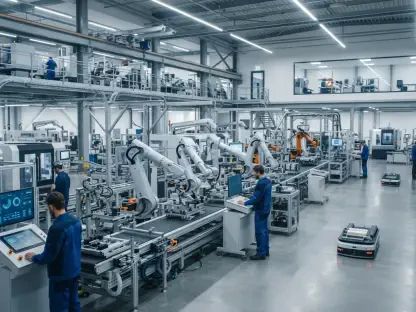
This digital transformation is structured around five distinct yet interconnected pillars, with the Production-Optimization AI currently leading the charge in the heavy oil upgrading control rooms. By analyzing feed volumes and temperatures in real time, the system provides operators with precise guidance on optimal settings, effectively eliminating the trial-and-error nature of manual fine-tuning. Parallel to this, the Utility-Optimization AI manages the refinery’s massive consumption of electricity and water, adjusting resources dynamically to minimize waste and significantly lower operational expenses. These systems represent a fundamental shift toward “industrial intelligence,” where every aspect of the refinery is scrutinized by algorithms capable of identifying efficiencies invisible to the naked eye. By focusing on resource management and production flow, SK Innovation is setting a new standard for how legacy industrial sites can be modernized without requiring a complete overhaul of physical infrastructure.
Autonomous Surveillance and Predictive Asset Management
Maintaining the physical integrity of a massive refinery requires more than just reactive repairs; it demands a predictive approach that identifies potential failures before they result in costly downtime. The SKADI platform serves this exact purpose by utilizing specialized sensors to monitor the vibrations and temperature fluctuations of rotating equipment across the complex. By applying advanced anomaly detection algorithms, the system can pinpoint early warning signs of mechanical wear that would otherwise go unnoticed during routine human inspections. This data is then fed into a maintenance planning AI, which determines the most cost-effective and operationally sound timing for servicing equipment. This shift from a traditional maintenance schedule to a data-driven, predictive model ensures that repairs are only performed when necessary, thereby extending the lifespan of aging assets. Furthermore, the SHIELD project has revolutionized site security by introducing 24/7 AI-based monitoring.
To provide the high-fidelity data required by the Dual Brain system, SK Innovation has deployed an advanced fleet of autonomous hardware, including drones and four-legged robotic units. These “robot dogs” act as the mobile eyes and ears of the facility, navigating difficult terrain and performing precise inspections in environments that may be hazardous for human personnel. Currently managed through a centralized control platform, these autonomous units conduct routine patrols and gather aerial imagery to assist in complex maintenance tasks. As the control technology matures, the company plans to expand this robotic fleet from a singular pilot unit to ten fully operational units, further enhancing the granularity of site data collection. Drones are specifically utilized for high-altitude imaging and equipment monitoring, providing a perspective that traditional ground-based inspections cannot achieve. By integrating these physical tools with the digital brain, the refinery achieves situational awareness.
Economic Implications and Future Industrial Trajectories
The financial implications of the Dual Brain initiative are substantial, with SK Innovation targeting an annual productivity gain of approximately 100 billion won by 2030. This objective is tied to the total immersion of the AI operating system across all 98 processes at the Ulsan Complex, ensuring that every operational node benefits from machine-driven optimization. This strategic roadmap is designed to keep the facility globally competitive, balancing the need for immediate efficiency gains with long-term sustainability goals. By establishing this digital backbone, the company is effectively future-proofing South Korea’s first oil refinery, allowing it to adapt to evolving market demands and environmental regulations. The transition from manual labor to an AI-assisted model represents a massive investment in human capital, as it requires the remaining workforce to master new digital tools. This evolution positions the company as a leader in industrial technology, demonstrating how legacy industries successfully pivot.
The integration of the Dual Brain system provided a definitive blueprint for the digital transformation of heavy industry across the globe. By synthesizing big data with the irreplaceable experience of veteran engineers, SK Innovation successfully navigated the complexities of aging infrastructure and a shifting demographic landscape. Leaders in the sector recognized that the path forward required a symbiotic relationship between human intelligence and machine precision, rather than a total replacement of labor. Moving forward, the industry adopted these predictive maintenance models and autonomous inspection protocols as standard operating procedures to enhance safety and economic output. This transition demonstrated that the most effective technological implementations prioritized the preservation of institutional knowledge through digitization. For other industrial giants, the lesson was clear: sustainable growth necessitated a proactive embrace of industrial intelligence to overcome physical and temporal constraints.