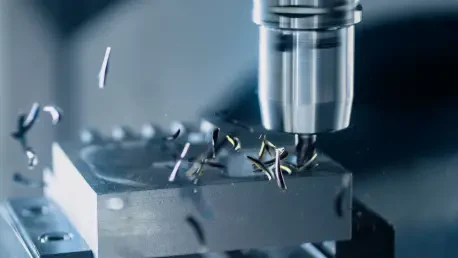

The machine features a 24,000 rpm spindle motor that provides significantly higher torque at lower speeds compared to the induction motors found in hobbyist routers. This technological leap marks a significant milestone for a sector that has long been dominated by plastic-based 3D printing, finally offering a viable path for individuals to produce industrial-grade metal components on a desktop scale. Developed by a specialized collective of veteran engineers formerly of DJI and Siemens, the system was designed to dismantle the steep learning curve associated with traditional Computer Numerical Control (CNC) machining. Historically, the transition from a digital model to a physical metal part required years of apprenticeship or formal engineering education to master feeds, speeds, and complex toolpathing. By integrating sophisticated automation into the core architecture of the device, the creators have sought to democratize high-precision manufacturing for the broader maker community and professional engineers alike.
Automating the Transition: From Design to Production
The proprietary software ecosystem, known as ToolDance Studio, serves as the primary interface that simplifies the typically arduous Computer-Aided Manufacturing (CAM) workflow. A standout feature within this platform is the Design-for-Manufacturability (DFM) check, which scrutinizes imported STEP or STL files for potential issues before any metal is actually cut. For instance, the software can identify sharp internal corners that a circular milling bit cannot physically reach or locate deep pockets that might cause tool deflection. By highlighting these geometric impossibilities early in the process, the system prevents the waste of expensive materials like titanium or stainless steel. Furthermore, the AutoCAM logic assists beginners by recommending optimal tool selections and generating efficient machining operations automatically. This removes the guesswork for those who may not yet understand the nuances of chip loads or step-over distances, effectively turning a complex industrial process into a manageable digital task.
Beyond the automated features intended for novices, the system maintains high levels of flexibility to ensure it does not alienate experienced machinists or industrial professionals. The software environment supports manual G-code entry and offers dedicated plugins for industry-standard suites such as Fusion 360, Mastercam, and Siemens NX, allowing for a seamless transition from professional design workspaces to the desktop unit. Safety and reliability are prioritized through a robust material-removal simulation that runs before the spindle ever engages with the workpiece. This digital twin approach allows users to visualize the entire cutting sequence to identify potential collisions with work-holding clamps or errors in the toolpath. Because the software is capable of running essential features offline, it provides a secure environment for sensitive intellectual property while ensuring that production is not dependent on a stable internet connection, which is often a limitation in traditional workshop settings.
Hardware Architecture: Robust Power and Automated Calibration
The physical construction of the machine reflects a commitment to industrial-grade performance within a compact footprint that fits on a standard heavy-duty workbench. At the heart of its capabilities is a 1,500-watt permanent-magnet synchronous spindle, which is a significant upgrade over the standard induction motors found in most desktop equipment. This specialized motor configuration is essential for maintaining the torque necessary to mill through ferrous metals and exotic alloys like Grade 5 titanium without the risk of stalling. The structural integrity of the machine is further enhanced by a cast aluminum frame that provides the rigidity required to minimize vibrations during high-load operations. This stability is what allows the device to achieve tolerances that were previously reserved for massive, floor-mounted milling centers. By bringing this level of power to the desktop, the unit bridges the gap between light-duty engraving and true industrial machining, enabling the production of functional parts for aerospace or automotive applications.
To further eliminate the manual labor and potential for human error inherent in traditional CNC setups, the hardware includes a suite of integrated sensors. A structured-light sensor and a precision workpiece probe work in tandem to automatically measure the dimensions of the stock material and calculate work offsets. This automation removes the need for manual edge finding, a process that can be both time-consuming and difficult for beginners to execute accurately. Complementing this is an automatic tool changer (ATC) equipped with nine slots, which utilizes RFID tracking to monitor the lifespan and type of each cutter. By using standard 10 mm shank cutters, the machine avoids the pitfalls of proprietary tooling ecosystems, allowing users to source high-quality bits from any industrial supplier. The ATC ensures that complex projects involving multiple tools, such as roughing end mills and finishing ball noses, can be completed in a single operation without the operator needing to intervene to swap out hardware manually.
Performance Validation: Precision and Modular Scalability
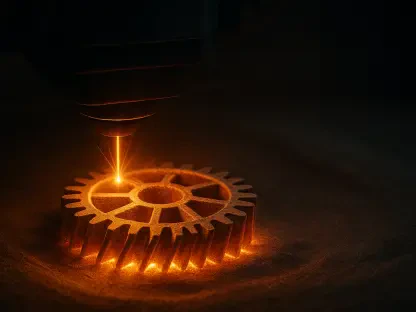
The technical prowess of this desktop system has been substantiated by rigorous testing and public demonstrations at major international technology exhibitions. During controlled evaluations, the machine demonstrated a repeatability of ±0.01 mm, which is a critical metric for ensuring that multiple parts in a production run are identical. In one notable demonstration, the system successfully machined Grade 5 titanium using only air cooling, a feat that typically requires specialized liquid flood systems in industrial environments. Post-machining inspections using high-precision Coordinate Measuring Machines (CMM) confirmed that the resulting parts stayed within 0.02 mm of the original design specifications. This level of accuracy has been showcased live at events like IMTS Chicago and IFA Berlin, where the unit transformed solid metal blocks into intricate mechanical components such as custom bicycle sprockets. These public validations served to build significant confidence among engineers who require verifiable results for prototyping functional mechanical assemblies.
Recognizing that manufacturing needs evolve as projects become more complex, the architecture was designed to be modular rather than a static 3-axis mill. The base unit can be expanded with 4-axis and 5-axis modules, which enable simultaneous multi-axis machining for the creation of highly complex geometries, such as impellers or turbine blades. These upgrades are vital for reducing the number of manual setups required, as they allow the cutting tool to reach multiple sides of a part in a single program. Beyond axis expansion, the ecosystem includes environment-specific modules like a flood coolant system for intense metalwork and a dust collection unit for machining composites or wood. This modular philosophy ensures that the investment remains relevant as the user’s skills and requirements grow over time. By providing a pathway from basic three-dimensional milling to complex five-axis production, the platform offers a versatile solution that can adapt to a wide variety of engineering challenges and material requirements.
Strategic Implementation: Future Perspectives on Local Manufacturing
The launch strategy for this CNC system focused on making professional-grade technology accessible through a tiered pricing model that significantly lowered the entry barrier for individual creators. By implementing a Delivered Duty Paid (DDP) shipping model, the company simplified the international procurement process, effectively removing the logistical headaches of taxes and customs duties for global customers. As the focus shifted toward the final delivery targets in early 2027, the project established a new standard for what a desktop workshop could achieve. Organizations and independent engineers interested in this technology should prioritize establishing a dedicated, high-load workspace capable of supporting the 110 kg unit and its single-phase power requirements. Looking forward, the integration of such precise manufacturing tools into small-scale studios suggests a future where the decentralization of production becomes a reality. Adopting these automated systems will likely allow small teams to compete with larger firms by rapidly iterating metal prototypes without the delays of outsourcing.