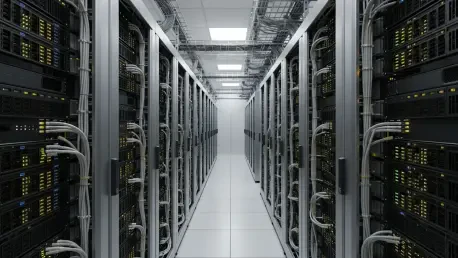

The sheer scale of modern artificial intelligence has outgrown the modest server rooms of the past, evolving into massive industrial hubs that require energy levels once reserved for entire metropolitan areas. This shift represents the dawn of the gigawatt era, where physical infrastructure has become the primary competitive advantage in the global race for supremacy. Consequently, the industry focus has moved toward securing massive plots of land and robust power grids to sustain the next generation of computing.
The Scaling Phenomenon in Modern Computing
Market Dynamics: The Shift to Massive Power Density
The transition to gigawatt-scale factories signals a structural change in how the world processes information. Dense GPU clusters now require specialized environments that traditional centers cannot support, pushing investment toward regions with high energy capacity and land availability. This geographical shift highlights a new reality where energy access dictates technological progress.
Case Study: Nebius’ Flagship Project in Independence, Missouri
Nebius is currently developing a 400-acre campus in Missouri as a model for full-stack AI development. This project reshapes the local economy through $650 million in projected tax revenue and 1,200 jobs, providing resources for the entire AI lifecycle. By integrating training and deployment at one site, the facility streamlines the production of complex digital systems.
Strategic Perspectives from Industry Leaders
Governor Mike Kehoe has positioned Missouri as a leader in digital infrastructure by fostering a supportive business climate. Meanwhile, Chairman John Boynton advocates for a neighbor-first approach to community integration, defining the new Silicon Prairie. This collaboration between state leadership and tech giants ensures that large-scale projects benefit the local population.
The Future Trajectory of Industrial-Scale AI
Sustainability and Responsibility: New Standards
Future projects must balance power demands with environmental stewardship. Evolving standards now focus on noise containment and water conservation to protect local resources and utility ratepayers. These measures ensure that massive computing remains compatible with the long-term well-being of the surrounding community.
Technological Evolution: Global Competition
Gigawatt factories will support global AI services and advanced robotics. As the supply chain for computing power tightens, these localized facilities become essential pillars of national security and digital sovereignty. Competition for these industrial-scale hubs will likely define the economic hierarchy of the coming decade.
Redefining the Foundations of Intelligence
The move toward gigawatt-scale infrastructure solidified the physical requirements of the digital age. This progression successfully integrated massive computing power with responsible community planning and environmental sustainability. Ultimately, the industry established a blueprint where high-tech expansion remained aligned with local interests and long-term ecological goals.