
Resilience and Growth in the American Industrial Sector
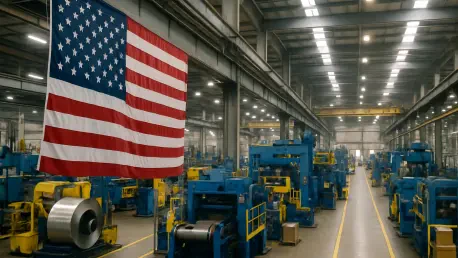
The American industrial engine accelerated with surprising force during the opening quarter of this year, proving that domestic factories can thrive even when global supply chains face significant pressure. According to the latest U.S. Manufacturing Technology Orders report, monthly orders for metalworking machinery climbed to $681.3 million, representing a 40.3% surge from February and a 31.5% increase over the same period last year. This article explores the catalysts behind this industrial rally, examining how a combination of technological necessity and shifting market demands is reshaping the factory floor. By analyzing the latest data and sector-specific performance, it is possible to view an industry that is successfully transitioning into a high-tech, high-output era.
Navigating Volatility: The Context of the 2026 Manufacturing Landscape
To understand the significance of the current surge, one must look at the turbulent environment of early 2026. The manufacturing industry entered the year facing considerable uncertainty following the outbreak of conflict with Iran in late February and a volatile tariff landscape that threatened to disrupt supply chains. Historically, such geopolitical instability leads to a contraction in capital spending as businesses adopt a wait-and-see approach. However, the first quarter of 2026 reached $1.61 billion in total orders, marking a 27.8% expansion year-over-year. This resilience suggests that American manufacturers are no longer merely reacting to global crises but are proactively fortifying their operations through long-term strategic investments.
Strategic Drivers of the Industrial Rebound
The Automation Mandate Amid Labor Shortages
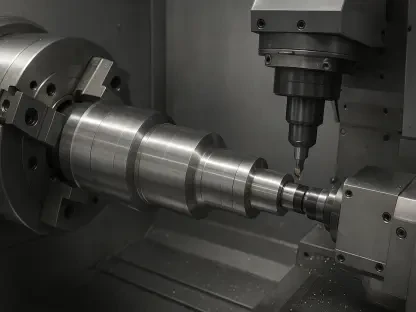
A primary catalyst for the current investment boom is the persistent domestic labor crisis. With a shortage of nearly 500,000 workers across the United States, manufacturers are increasingly unable to rely on traditional staffing to meet production goals. As a result, the industry is pivoting toward high-value, automated systems that can operate with minimal human intervention. This shift is reflected in the fact that average order values are currently rising faster than the rate of inflation. By investing in sophisticated robotics and integrated machining centers, companies are effectively buying capacity that they cannot find in the labor market.
Powering the Digital Infrastructure Explosion
While the broader market is growing, the power transmission and engine sectors are experiencing an unprecedented explosion in demand. In March alone, investments in these areas doubled as the nation scrambled to support the surging electrical requirements of massive data center projects. The rise of artificial intelligence and cloud computing has placed a premium on reliable power infrastructure, prompting a surge in orders for specialized machinery to build generators and power distribution components. Specialized sectors tied to infrastructure and energy are seeing some of the strongest growth in recent history.
Geopolitical Demand and Aerospace Stability
The aerospace and defense sectors remain a cornerstone of industrial strength, though momentum is driven by a complex mix of commercial and military needs. The ongoing conflict with Iran has necessitated the rapid replenishment of military systems, driving high-volume orders for precision-machined parts. Simultaneously, the commercial aviation sector is working through massive backlogs as global travel continues to demand new aircraft. This dual-pronged demand ensures that aerospace manufacturers remain a steady source of orders for high-end technology, even as other sectors fluctuate.
Anticipating Market Shifts: The Outlook for the Remainder of 2026
Looking ahead, the manufacturing sector appears poised for sustained activity through the end of the year. While total machinery orders are expected to remain stable compared to high benchmarks, a critical leading indicator—the demand for cutting tools—suggests that actual factory output is intensifying. Because cutting tools are consumables used during the machining process, rising demand here indicates that existing machines are running more hours. Economists suggest that as current backlogs are cleared, there is a significant potential for an upside surprise where growth exceeds current conservative forecasts.
Strategic Integration: Best Practices for Navigating the New Manufacturing Norm
For businesses operating in this environment, several actionable strategies emerge from the March data. First, the move toward automation is no longer optional; companies must prioritize the integration of lights-out manufacturing capabilities to remain competitive. Second, diversifying into high-growth niches like power generation and data center infrastructure can provide a hedge against slowdowns in traditional contract work. Finally, monitoring consumption-based metrics, such as tool usage and energy inputs, can provide a more accurate real-time picture of market health than order volume alone.
Conclusion: A Resilient Foundation for Future Prosperity
The surge in U.S. manufacturing orders in March 2026 highlighted a sector that became increasingly decoupled from traditional economic stressors. By embracing automation and aligning production with the needs of the modern digital landscape, American manufacturers defined a new normal characterized by technological sophistication. The industry’s willingness to invest in high-value technology suggested a long-term commitment to growth that bypassed immediate geopolitical fears. Stakeholders found that the future of manufacturing relied on the seamless integration of human ingenuity and advanced automation to overcome labor deficits.