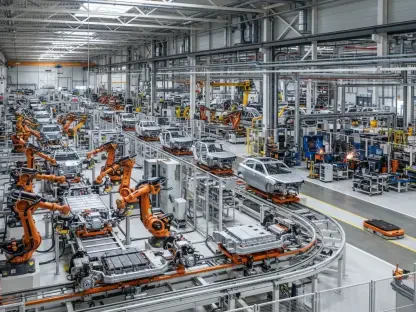

The rapid evolution of the American automotive market has reached a critical juncture as federal regulators propose significantly more stringent domestic content requirements for all new vehicles sold in the United States. This initiative is not merely a technical adjustment to existing trade policies but a comprehensive effort to revitalize the domestic industrial base and reduce reliance on fragile international supply chains. By mandating higher percentages of locally sourced components, the government aims to ensure that the transition to electric mobility translates into tangible economic gains for American workers. These proposed changes come at a time when the industry is already grappling with high interest rates, adding a layer of complexity to the strategic planning of major automakers. As the definition of a “Made in America” vehicle becomes increasingly rigorous, companies must evaluate every aspect of their procurement, from battery chemicals to semiconductor origins. This shift will trigger reshoring activities as brands seek to maintain eligibility for tax credits.
Economic Impacts: Strengthening the American Automotive Supply Chain
Resource Strategy: Accelerated Investment in Battery Technology
Building on the foundation of these new regulations, the automotive industry has begun to prioritize the domestic processing of critical minerals such as lithium and nickel. The proposed rules target the midstream supply chain, where raw materials are refined into high-purity chemicals for battery production. For instance, several new lithium refineries in the Southeast are now accelerating their operational timelines to meet the anticipated demand surge from domestic gigafactories. This trend extends to the electric motors and power electronics that define the performance of modern vehicles. Manufacturers are forming deep vertical integrations, often partnering with mining firms to secure long-term off-take agreements that satisfy the strict percentage-based content thresholds. These collaborations are essential for mitigating the risks associated with global price volatility. By establishing a robust internal network of suppliers, the American automotive sector is positioning itself to lead the global market in both innovation and sustainability.
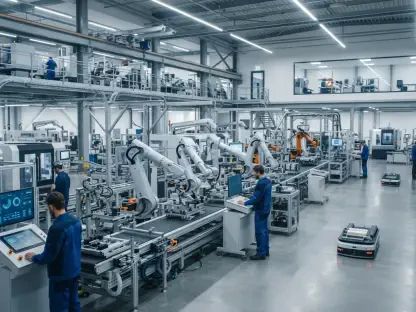
Beyond the physical components of the vehicle, the move toward stricter domestic content rules is driving an overhaul of the American industrial workforce. As production lines transition to complex electric powertrains, the demand for specialized skills in electrochemistry and software engineering has increased. Educational institutions are collaborating with industry leaders to develop curriculum tailored to these new manufacturing requirements. This regionalized approach to talent development ensures that the economic benefits are distributed across diverse communities, particularly in the traditional manufacturing hubs. Companies are investing heavily in automated production systems that can handle the increased complexity of domestic sourcing without raising costs. Furthermore, the adoption of advanced robotics and artificial intelligence allows for higher throughput and quality control, which is necessary to compete with lower-cost labor. This focus on technological excellence serves as a defense against the inflationary pressures.
Sustainable Integration: Circular Economy and Provenance Tracking
To address the long-term sustainability of these domestic mandates, industry leaders implemented circular economy strategies that focused on the lifecycle of automotive materials. Automakers established advanced recycling facilities capable of reclaiming high percentages of metals from end-of-life batteries, effectively creating a closed-loop system that satisfied domestic content requirements using recycled materials. This approach reduced the need for new mining and minimized the environmental footprint. Engineers redesigned vehicle architectures to facilitate disassembly, which simplified the recovery of valuable components and allowed for the refurbishing of electronics. Companies also standardized data-tracking systems to provide transparent provenance for every part, ensuring that compliance audits remained efficient. By prioritizing these actionable steps, the automotive sector successfully mitigated the initial costs of reshoring while building a more stable industrial base. These investments fostered a resilient market that thrived despite procurement shifts.