
The stabilization of the Venezuelan economy has emerged as a focal point for regional analysts who observe how internal consumption patterns are reshaping the national landscape through 2026. While oil traditionally served as the primary engine of wealth, the current era highlights a significant shift toward the food and retail sectors as the true anchors of domestic stability and private sector confidence. Investors have increasingly pivoted away from volatile extractive industries toward the essential goods market, where demand remains robust despite historical inflationary pressures. This transition is characterized by a sophisticated blending of local entrepreneurial spirit and a pragmatic approach to currency management that has revitalized once-dormant shopping districts across major urban centers. By prioritizing the accessibility of consumer staples, the nation has managed to cultivate a more resilient economic framework that relies less on global crude price fluctuations and more on the daily purchasing power of its citizens.
Strengthening Domestic Agriculture and Industrial Output
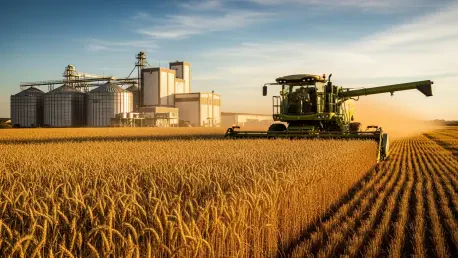
Agricultural output has seen a remarkable resurgence as private enterprises implement advanced irrigation systems and precision farming technologies to maximize yield in the western plains and central valleys. These organizations are no longer waiting for state-led initiatives, instead opting to form strategic alliances with international equipment providers to import specialized machinery that enhances grain and protein production. This surge in local capacity has successfully reduced the dependency on expensive imports, allowing for a more predictable pricing structure within the domestic market through the end of 2027. Furthermore, the integration of blockchain-based tracking systems in the dairy and poultry sectors has improved safety standards and logistical transparency. By focusing on efficiency at the primary production level, the industrial food complex has established a foundation for sustainable growth that benefits both the rural workforce and the urban consumer base.
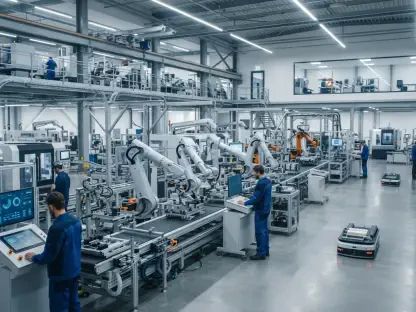
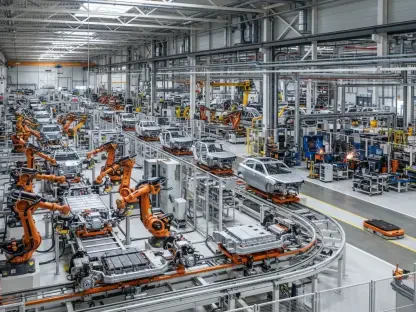
Beyond the fields, the secondary sector of food processing has undergone a technological overhaul characterized by the installation of modern automated packaging lines and cold storage facilities. Large-scale manufacturers have dedicated significant capital to upgrading legacy infrastructure, ensuring that shelf-stable products meet international quality benchmarks for both local consumption and potential export. The expansion of these facilities has created a ripple effect throughout the regional economy, stimulating the demand for specialized maintenance services and packaging materials produced within the country. This internal synergy is essential for maintaining the momentum of the current recovery, as it fosters a self-contained ecosystem that is less vulnerable to external logistical bottlenecks. As these processing hubs become more sophisticated, they provide a reliable outlet for small-scale farmers, effectively bridging the gap between raw production and retail availability for all.
Retail Innovation and Strategic Market Viability
The retail landscape has transformed into a competitive arena where modern supermarket chains and high-end specialty stores utilize data analytics to tailor their inventory to specific neighborhood demographics. High-traffic urban areas now feature state-of-the-art shopping environments that rival international standards, incorporating loyalty programs and sophisticated inventory management software to optimize the customer experience. This modernization has been facilitated by the widespread adoption of multi-currency payment gateways that allow for seamless transactions in both local and foreign denominations. Retailers have also moved toward hybrid business models that combine physical storefronts with robust e-commerce platforms, enabling home delivery services that were previously unavailable to the general public. These digital storefronts use AI-driven recommendation engines to boost sales of locally manufactured goods, further supporting the domestic industrial base and urban growth.
The strategic focus on food security and retail modernization established a clear path forward for sustainable economic development through 2028 and beyond. Policymakers and private sector leaders collaborated on frameworks that prioritized the removal of bureaucratic hurdles, which facilitated the rapid entry of new competitors into the marketplace. This cooperation ensured that capital remained within the country, fueling further expansion of logistics networks and distribution hubs that connected remote regions to the central economic pulse. Financial institutions played a critical role by offering specialized credit lines for small and medium enterprises in the retail chain, which effectively decentralized wealth and encouraged local entrepreneurship. These initiatives were grounded in the reality of the 2026 market dynamics, where flexibility and rapid adaptation were the primary drivers of success. By investing in human capital, the sector addressed the skills gap and paved the way for diversity.