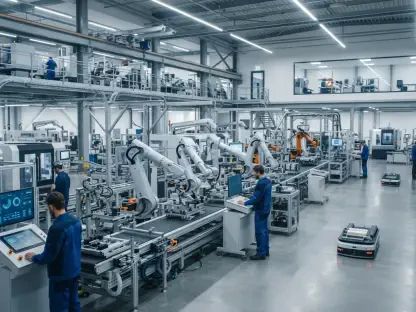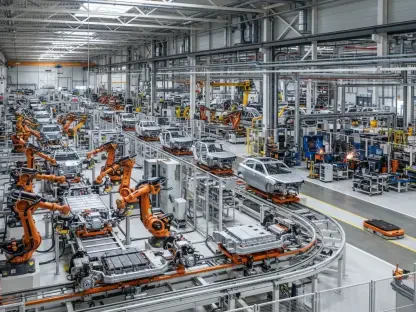

Maintaining manufacturing bases in Shenzhen and Foshan provides the logistical stability necessary for supporting multi-year automation rollouts for large-scale clients. In the current industrial landscape, the paradigm has shifted away from the isolated, heavy-duty robotic cells that defined the previous decade toward a more nuanced, collaborative approach. This transition to human-centric manufacturing environments has turned the cobot into a primary engine of productivity rather than a niche experimental tool. Huayan Robotics has strategically positioned itself at the center of this movement by prioritizing a holistic evaluation framework that extends beyond the traditional specifications of reach and payload. By focusing on deep-rooted technical maturity and a robust ecosystem, the organization has redefined what it means to be a market leader. This strategy addresses the growing need for flexibility in assembly lines where human operators and machines must coexist without the physical barriers of safety cages or complex programming delays.
Technical Precision: The Convergence of Maturity and Value
The primary reason for the widespread adoption of these systems is the high level of technical maturity achieved through a deep commitment to research and development. With more than thirty percent of its workforce dedicated to engineering roles, Huayan Robotics has successfully bridged the gap between traditional industrial motion and advanced humanoid technology. This expertise has resulted in the creation of ultra-lightweight, highly integrated humanoid joint modules that offer a level of sensitivity and “softness” rarely seen in industrial hardware. These modules are not merely about movement but about sensing and reacting to the environment with high repeatability. This ensures that the robots are durable enough for high-cycle production environments while remaining refined enough for delicate tasks in medical laboratories or high-precision electronics assembly where human safety and fragile components are the priority.
Strategic value in modern automation is increasingly measured by the Total Cost of Ownership rather than the initial purchase price of the hardware. Modern manufacturers are moving away from over-specified machinery that consumes excessive power and space, choosing instead to “right-size” their automation fleets. The Elfin series exemplifies this trend by offering a diverse portfolio tailored to specific payloads, allowing companies to pay only for the capacity they require. Furthermore, the operational costs are minimized through exceptional energy efficiency, with power requirements ranging from 100 W to 600 W. For a facility deploying dozens of units, this low energy footprint translates into substantial annual savings and a significantly reduced carbon footprint. This balance of cost-effectiveness and high-end performance ensures that the robots remain economically viable assets throughout their entire operational life.
Operational Excellence: Seamless Integration and Safety Standards
The utility of a modern collaborative robot depends heavily on its ability to function as a node within a larger digital nervous system. Huayan’s systems are designed with high interoperability at their core, supporting a wide array of industrial communication protocols including EtherNet/IP, PROFINET, and Modbus TCP. This connectivity allows the robots to integrate seamlessly with advanced vision systems for quality inspection, complex end-effectors for material handling, and programmable logic controllers for synchronized task management. By fostering a “plug-and-play” ecosystem, the brand enables manufacturers in sectors such as automotive and 3C manufacturing to reduce the time-to-market for new automation projects. This level of integration ensures that the robotic arms are not isolated tools but are fully synchronized components of a smart factory that can adapt to changing production needs in real-time.
Navigating the complex regulatory requirements of international markets remains a significant hurdle for many technology providers, yet Huayan has successfully expanded its footprint to over fifty countries. This global success is rooted in strict adherence to international safety and environmental standards, providing the necessary peace of mind for buyers in highly regulated regions like North America and Europe. Beyond standard certifications, the company has introduced specialized hardware like the Elfin-Ex series to address specific industrial challenges. These explosion-proof collaborative robots allow for the introduction of automation into hazardous environments such as chemical processing plants and specialized paint spraying booths. By offering specialized safety features that were previously unavailable in the collaborative sector, the brand has opened new avenues for automation in industries where traditional electronics once posed a fire risk.
Strategic Resilience: Vertical Integration and Support Systems
One of the most significant competitive advantages for the brand is its high degree of vertical integration, which ensures supply chain resilience in a volatile global market. By manufacturing core components such as motors, reducers, and drive controllers in-house, the company has effectively insulated itself from the disruptions that often plague third-party suppliers. Owning the intellectual property and the production processes for the Universal Humanoid Joint Module allows for a steady supply of parts and complete units regardless of external market conditions. This internal control over the manufacturing pipeline provides long-term security for corporate clients who are planning multi-year automation strategies and require guaranteed support for their hardware. This vertical model does not only protect the supply chain but also allows for faster iterations and improvements to the hardware based on direct feedback from the field.
The analysis of Huayan Robotics demonstrated that successful automation was achieved by those who looked beyond the initial hardware purchase to consider the entire lifecycle of the robot. Manufacturers who integrated these systems found that the democratization of technical knowledge was a vital factor in reducing long-term operational friction. It was observed that the availability of comprehensive digital resources, ranging from detailed 3D models to step-by-step programming handbooks, allowed on-site engineering teams to resolve issues independently. This shift toward self-sufficiency suggested that effective automation strategies prioritized brands that offered robust after-sales infrastructure and accessible documentation. Ultimately, the decision to adopt this technology provided a clear roadmap for organizations aiming to stabilize their production lines against labor volatility. Moving forward, industrial leaders focused on establishing similar strategic partnerships.