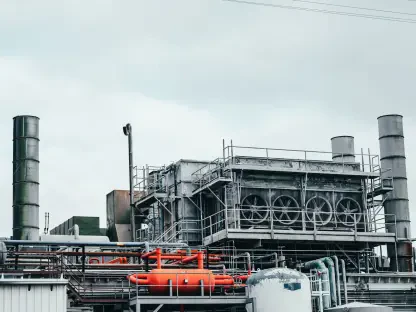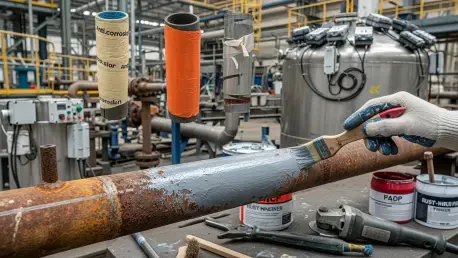

High-consequence chemical processing environments often subject equipment to a cocktail of aggressive acids and volatile solvents that can compromise the structural integrity of conventional metallic alloys within months of deployment. While specialized alloys like Hastelloy or titanium offer significant resistance, the escalating costs and supply chain volatility of these materials have forced engineers to seek more sustainable and reliable alternatives for critical infrastructure. Fluoropolymer linings emerged as a transformative solution by providing a chemically inert barrier that isolates the underlying substrate from the corrosive medium, effectively extending the lifecycle of pressure vessels and piping systems. This technological shift is not merely about preventing rust; it is about ensuring the safety of personnel and the environment while maintaining high-purity standards required in semiconductor and pharmaceutical production. As industrial demands become more rigorous, the integration of these high-performance polymers has transitioned from a specialized option to a fundamental requirement for modern facilities.
Material Properties: Chemical Resilience and Thermal Stability
The selection of specific fluoropolymer materials depends heavily on the temperature profile and the concentration of the corrosive agents present within a given industrial process. Polytetrafluoroethylene, commonly known as PTFE, remains the gold standard for chemical inertness, as it is capable of withstanding almost all industrial chemicals even at temperatures reaching 500 degrees Fahrenheit. However, for applications requiring a melt-processible alternative that offers higher mechanical strength and clarity, Perfluoroalkoxy, or PFA, provides a robust solution that is frequently utilized in the lining of valves and complex pump housings. Ethylene Chlorotrifluoroethylene, or ECTFE, serves as another critical material, particularly favored for its exceptional resistance to permeation and its ability to maintain high impact strength in sub-zero environments. These materials operate by forming a dense molecular chain that prevents aggressive ions from reaching the steel substrate, thereby neutralizing the risk of localized pitting.
Permeation remains one of the most significant challenges when designing lining systems for high-pressure gaseous environments or concentrated acids that exhibit high vapor pressure. Even though fluoropolymers are chemically inert, small molecules can occasionally migrate through the polymer matrix over extended periods, potentially leading to the formation of corrosive pockets between the liner and the steel shell. To mitigate this phenomenon, engineering firms have turned to advanced bonding systems and the use of vent holes that allow for the safe release of permeated vapors without compromising the structural integrity of the vessel. Furthermore, the development of dual-laminate systems, which combine the chemical resistance of fluoropolymers with the structural reinforcement of fiberglass, has enabled the construction of self-supporting tanks that eliminate the risk of external corrosion entirely. These innovations ensure that the barrier remains intact even under fluctuating pressure cycles, which is common in batch processing.
Application Standards: Ensuring Integrity and Asset Longevity
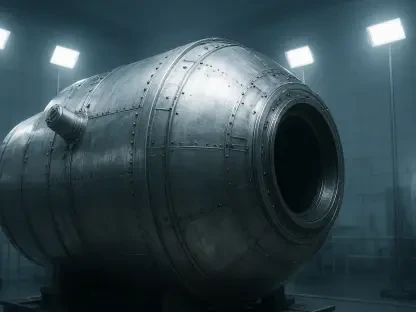
Technological advancements in application methods like rotolining have fundamentally changed how complex geometries are protected from corrosive wear and chemical attack in modern plants. Unlike traditional sheet lining, which requires manual welding and the creation of seams that could serve as failure points, rotolining creates a seamless, uniform layer of polymer bonded directly to the internal surface. This method utilizes a high-temperature oven and multi-axis rotation to ensure that the molten fluoropolymer coats every internal crevice with consistent thickness, significantly reducing the likelihood of delamination. To verify the integrity of these barriers, strict quality assurance protocols such as high-voltage spark testing are employed to identify any microscopic pinholes before the equipment enters service. Additionally, ultrasonic thickness gauging provides a non-destructive method to ensure the lining meets engineering specifications required for aggressive service, ensuring that the final installation is capable of withstanding both erosion and high-pressure chemical reactions.
The successful adoption of fluoropolymer linings was driven by a comprehensive evaluation of process conditions and a commitment to rigorous installation standards that prioritized long-term durability. Engineering teams analyzed the specific thermal and chemical stressors of each application to select the most appropriate polymer, whether it was the high-temperature resilience of PTFE or the mechanical toughness of PFA. It was determined that the most effective strategies integrated continuous monitoring and regular spark testing into the lifecycle management of the asset to detect early signs of wear. Furthermore, the decision to utilize seamless rotolining for complex components proved to be a decisive factor in reducing leak incidents across the industry. Organizations that invested in high-quality lining solutions in 2026 positioned themselves to handle more aggressive bio-renewable feedstocks. These proactive steps established a new baseline for safety and purity, ensuring that industrial infrastructure remained resilient.