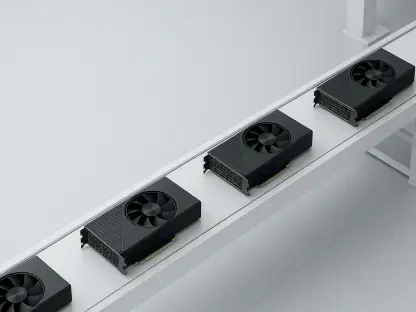

Integrating automated verification directly into the production flow enables manufacturers to generate the reliable data needed for rapid batch releases and audits. This proactive approach represents a fundamental move away from retrospective quality control toward a data-driven methodology that eliminates the traditional bottlenecks associated with manual inspections. As the industry advances through 2026 and moves toward 2028, the widespread adoption of edge computing and artificial intelligence has allowed facilities to analyze performance metrics in milliseconds. Manufacturers no longer view compliance as a separate hurdle but as an inherent byproduct of a well-optimized digital ecosystem. By embedding sensors and sophisticated vision systems into every stage of the assembly line, companies have successfully bridged the gap between physical production and digital oversight. This real-time visibility ensures that any deviation from established specifications is flagged immediately to reduce waste and maintain competitiveness.
Advancing Precision: Digital Twins and Simulation
Digital twin technology has become the cornerstone of product development, allowing engineers to create high-fidelity virtual replicas of medical devices before a single physical component is manufactured. In the current landscape of 2026, these simulations go beyond simple geometric modeling to include complex physics-based interactions, such as how an orthopedic implant responds to physiological stress or how a wearable monitor interacts with human skin. By running thousands of stress tests in a virtual environment, developers can identify potential failure points and optimize material selection with unprecedented accuracy. This approach significantly shortens the development cycle by reducing the number of physical prototypes required for validation. Furthermore, digital twins provide a continuous feedback loop that persists throughout the lifecycle of the device. When connected to IoT sensors, these models offer a real-time comparison between intended design and manufacturing performance.
The integration of digital twin frameworks extends into operational maintenance, where predictive analytics now dictate the tempo of production schedules to prevent unforeseen equipment failures. Modern manufacturing facilities utilize these digital representations to simulate the wear and tear of robotic arms and assembly modules, allowing technicians to perform interventions during planned downtime. From 2026 to 2028, the industry expects a massive reduction in operational costs as reactive repairs are phased out in favor of prescriptive maintenance strategies. These strategies leverage machine learning algorithms that analyze vibration patterns, thermal signatures, and power consumption to forecast when a component will deviate from its optimal state. By maintaining a constant digital shadow of the entire production line, plant managers can make informed decisions about resource allocation and throughput optimization. This level of granular control improves the longevity of equipment.
Localized Production: Additive Manufacturing and Materials
Additive manufacturing has evolved from a rapid prototyping tool into a primary production method for complex, patient-specific medical devices that were previously impossible to create using traditional subtractive techniques. As of 2026, high-resolution 3D printing allows for the creation of intricate lattice structures that promote osseointegration in bone implants, providing better outcomes for patients undergoing reconstructive surgeries. The ability to print with bio-compatible alloys and advanced polymers on a single platform has decentralized production, enabling localized manufacturing hubs to produce customized components on demand. This shift addresses the increasing demand for personalized medicine while reducing the overhead costs associated with maintaining large inventories of parts. Moreover, the latest generation of additive systems incorporates in-situ monitoring, where laser sensors verify the integrity of each layer. This ensures that every part produced adheres to rigorous standards.
The industry ultimately transitioned toward a holistic model where manufacturing agility and regulatory compliance functioned as a unified objective rather than competing priorities. Stakeholders moved beyond isolated technology pilots and instead focused on scaling integrated ecosystems that prioritized data integrity and supply chain transparency. This transformation relied heavily on the deployment of distributed ledger technology to track the provenance of raw materials and the validation history of every finished product. Leaders in the sector recognized that true innovation required a workforce capable of navigating the intersection of biology and data science. Consequently, investment shifted toward training specialized teams to manage the complexities of automated systems and advanced material processing. By prioritizing these strategic pillars, organizations successfully established a foundation that supported the rapid commercialization of next-generation therapies for patient populations.