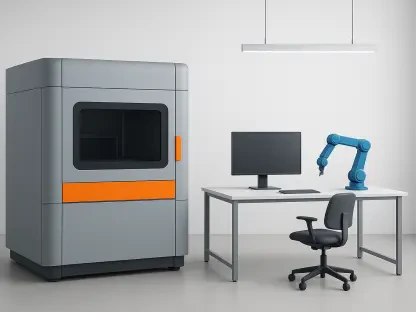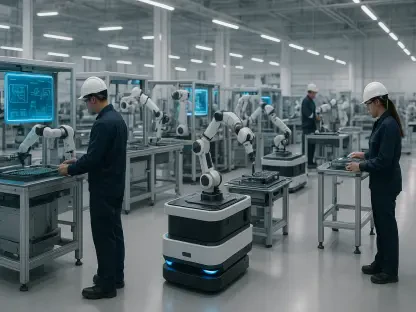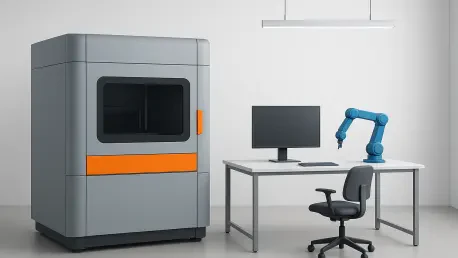
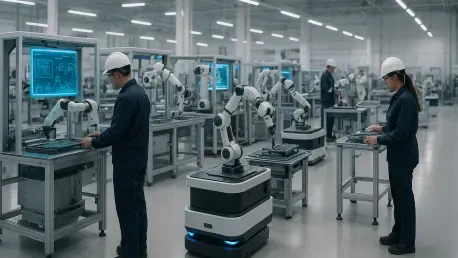
Traditional factories are being replaced by shared-use research environments that bridge the gap between theoretical material science and shop-floor application. This transformation represents a departure from the twentieth-century model of massive, static assembly lines toward a more agile and

The current state of luxury skincare and fragrance production is defined by a network of high-tech hubs that prioritize precision over traditional assembly methods. The United Kingdom has emerged as a central node in this global supply chain, housing facilities that serve as the primary
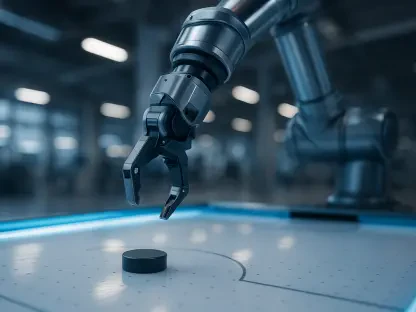
Industry projections indicate that the global physical AI market is set to expand from $383 billion in 2026 to an estimated $3.25 trillion by the year 2040. This monumental growth underscores a fundamental transition where digital intelligence is no longer confined to screens but is actively

The hum of a modern production facility today carries a distinctively digital resonance, signaling a shift from machines that merely repeat to systems that truly understand their own environment and operational nuances. In the current industrial landscape of 2026, the traditional reliance on
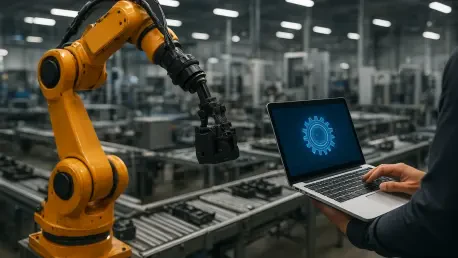
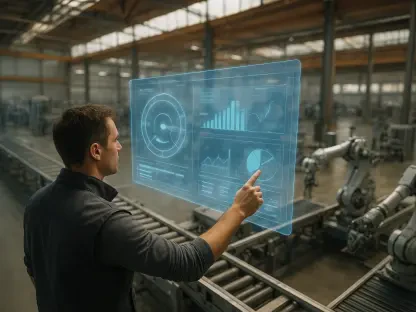
The silent hum of a modern production floor increasingly conceals a sophisticated intelligence that interprets microscopic fluctuations long before they manifest as mechanical failures. Manufacturing is currently undergoing a fundamental transformation, moving away from reactive post-mortem quality

Traditional robotic welding often requires rigid fixtures and tedious point-by-point teaching, but the TM3S uses built-in vision to instantly generate welding trajectories. This breakthrough, showcased at the 2026 Taipei International Industrial Automation Exhibition, signalizes a fundamental shift
1 2 3 4 5 6 7 8 9 10 11 12 13 14 15 16 17 18 19 20 21 22 23 24 25 26 27 28 29 30 31 32 33 34 35 36 37 38 39 40 41 42 43 44 45 46 47 48 49 50 51 52 53 54